
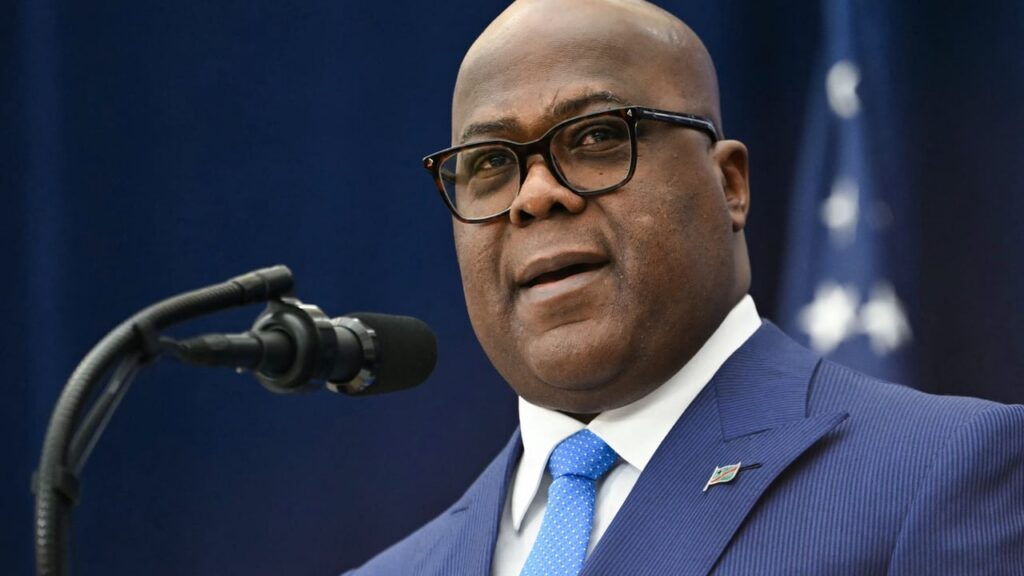
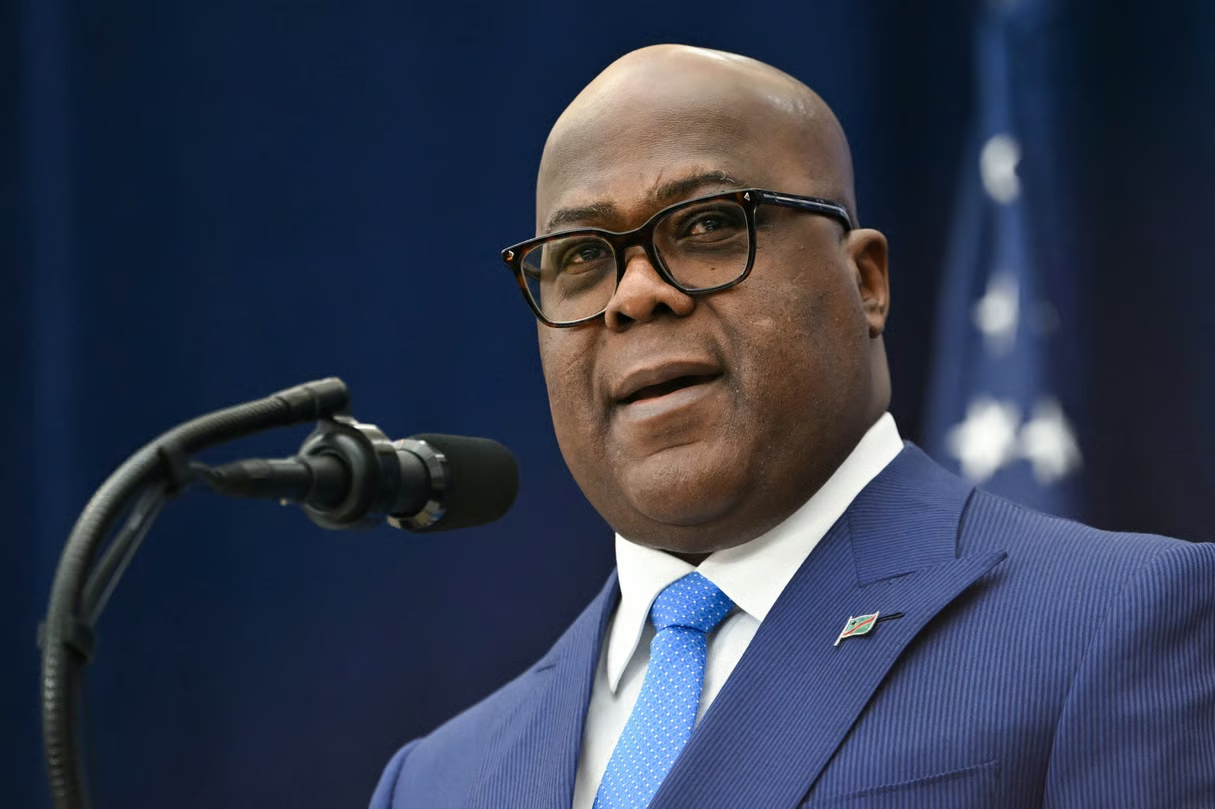
Constitutional court delivers landmark ruling on presidential term limits
The Democratic Republic of the Congo’s Constitutional Court has issued a decisive ruling that clears the legal path for President Félix Tshisekedi to seek re-election for a third term. The decision, handed down after months of intense legal and political scrutiny, marks a pivotal moment in the country’s democratic trajectory.
Analysts suggest this ruling could reshape the political landscape ahead of the next election cycle. While supporters argue it upholds constitutional continuity, critics warn it undermines democratic principles by altering term limits mid-cycle. The court’s verdict has intensified debates about governance, accountability, and the future of political stability in the DRC.
What the decision means for the DRC’s political future
The ruling hinges on a controversial interpretation of the 2015 constitutional amendments. The court determined that the two-term limit does not apply retroactively, allowing President Tshisekedi to run again in the upcoming polls. This interpretation has drawn sharp reactions from opposition groups, civil society organizations, and international observers alike.
Key implications include:
- Potential for prolonged political dominance by the ruling party;
- Heightened tensions between government and opposition factions;
- Increased scrutiny from regional and international bodies over electoral integrity;
- Possible shifts in public sentiment and protest movements.
Reactions from political stakeholders
Within hours of the announcement, Félix Tshisekedi’s administration welcomed the ruling as a victory for democracy and constitutional adherence. Government officials emphasized the need for stability and continuity in leadership to sustain economic and security progress.
The opposition, however, has vowed to challenge the decision through legal and public advocacy. Prominent figures argue that the ruling sets a dangerous precedent that could erode public trust in institutions and destabilize the country’s fragile democratic gains.
Civil society groups have also expressed concerns about the timing and transparency of the judicial process. Calls for broader public consultation and reform of electoral mechanisms are gaining momentum as stakeholders assess the long-term consequences.
Looking ahead: What’s next for the DRC?
The constitutional court’s decision has set the stage for a high-stakes electoral contest. With the legal framework now in place, attention turns to campaign strategies, voter mobilization, and the role of international partners in monitoring the process.
As the DRC braces for a potentially transformative election, the nation stands at a crossroads. The outcome will not only shape the country’s immediate political future but also influence regional dynamics across Central Africa.


More Stories
Cameroun man handed six-month sentence for insulting president
Félix Tshisekedi Wins Third Term as DRC President
Constitutional court clears path for third term for democratic republic of Congo president