
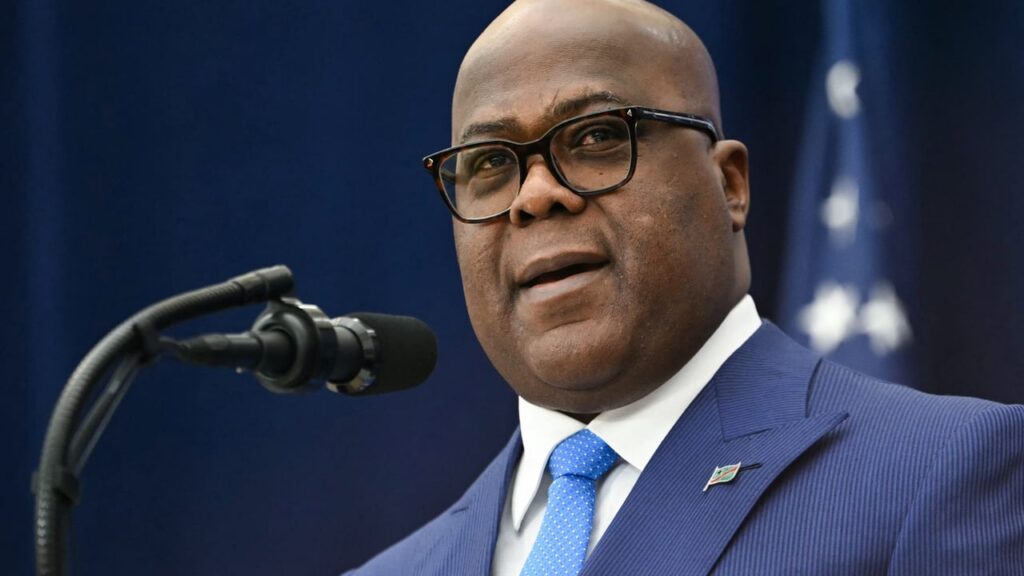
DRC high court paves way for President Félix Tshisekedi’s third term bid
The Constitutional Court of the Democratic Republic of the Congo (DRC) has delivered a landmark ruling, validating a legislative amendment that removes barriers to President Félix Tshisekedi seeking re-election in the upcoming 2026 polls. This decision marks a pivotal moment in the nation’s political landscape, sparking intense debate across the country.
The controversial amendment, which had faced fierce opposition from civil society groups and political opponents alike, now stands as constitutionally sound according to the highest judicial authority in the DRC. Legal experts suggest the ruling could reshape the electoral dynamics, potentially consolidating power while raising concerns about democratic backsliding.
Reactions sweep through Kinshasa as constitutional green light is given
Within hours of the court’s announcement, Kinshasa became a focal point of both jubilation and protest. Supporters of the President hailed the decision as a victory for stability and continuity, emphasizing his administration’s achievements in economic recovery and infrastructure development. Meanwhile, opposition figures and activists condemned the ruling, labeling it an assault on democratic principles and calling for mass mobilizations.
The capital’s streets echoed with contrasting chants—celebrations in certain quarters contrasted sharply with defiant slogans in others. Security forces were placed on high alert as authorities brace for potential unrest ahead of the electoral process.
Legal maneuvering and constitutional interpretation scrutinized
The court’s unanimous decision hinged on a narrow interpretation of the 2006 Constitution, specifically focusing on the phrase ‘consecutive terms’ versus ‘total terms served.’ Legal scholars are divided over the implications, with some arguing the ruling sets a dangerous precedent for future electoral contests. Critics point out that the amendment effectively resets the presidential term counter, allowing Tshisekedi to run again despite having served two consecutive five-year terms.
International observers have also weighed in, expressing concerns over the potential erosion of term limits, a cornerstone of democratic governance. The decision comes at a time when the DRC is grappling with multiple challenges, including security threats in the east and economic pressures exacerbated by global market fluctuations.
What lies ahead for the DRC’s political future?
With the legal pathway now clear, President Tshisekedi’s political camp is expected to intensify campaign preparations ahead of the 2026 elections. The opposition, meanwhile, is regrouping, exploring legal and grassroots strategies to challenge the ruling and mobilize public opinion. Analysts suggest the coming months will be critical in determining whether the DRC can navigate this constitutional crossroads without descending into further political turbulence.
The ruling underscores the delicate balance between democratic norms and political pragmatism in a nation still recovering from decades of conflict and authoritarian rule. As the DRC stands at this crossroads, the world watches closely to see how one of Africa’s largest and most resource-rich countries will chart its democratic future.


More Stories
Cameroun man handed six-month sentence for insulting president
Félix Tshisekedi Wins Third Term as DRC President
Constitutional court clears path for third term for democratic republic of Congo president