DRC adjusts 2026 humanitarian plan amid Ebola crisis
- Health
The Democratic Republic of the Congo (DRC) is grappling with its 17th Ebola outbreak, with Ituri Province—already ravaged by conflict—serving as the epicenter. This crisis has forced authorities to reassess the 2026 Humanitarian Response Plan, prioritizing critical support for affected communities through year-end, announced the United Nations Office for the Coordination of Humanitarian Affairs (OCHA) in the DRC.
In January 2026, the DRC government and humanitarian partners launched a $1.4 billion appeal to address urgent needs for nearly 15 million Congolese, particularly in the eastern regions. However, funding shortfalls threatened to undermine these efforts. To mitigate this, the UN and collaborators are now focusing assistance on 10.8 million of the most vulnerable individuals, down from an initial target of 7.3 million.
The revised plan reflects the realities of a worsening humanitarian landscape. The number of people in need has surged to 18.5 million, prompting a financial adjustment to $2.13 billion to meet escalating demands. This recalibration aligns with demands from Congolese officials, including Eve Bazaiba, Deputy Prime Minister and Minister of Social Affairs and National Solidarity, who called for consultations to realign priorities amid both funding gaps and the Ebola epidemic.
Ebola outbreak exacerbates existing vulnerabilities
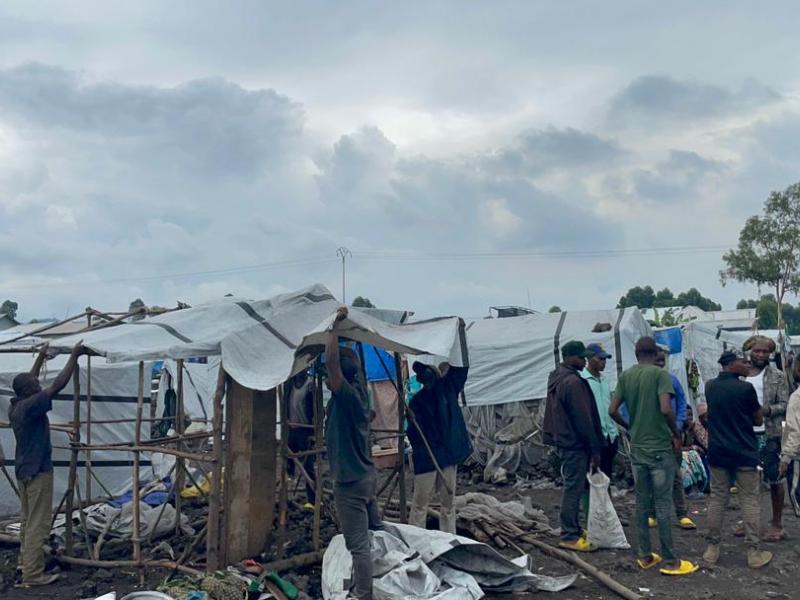
The current Ebola crisis, detected in May 2026 in Bunia (Ituri), has rapidly spread across multiple health zones in Ituri, North Kivu, and South Kivu. The most severe clusters are in Bunia, Rwampara, and Mongwalu. OCHA warns that the epidemic has become a major humanitarian shock, compounding challenges posed by ongoing conflicts, natural disasters, and other health emergencies like cholera.
The outbreak has intensified existing vulnerabilities, amplifying needs and complicating response efforts. James Swan, UN Special Representative and head of MONUSCO, highlighted during a June 26 UN Security Council briefing that the 2026 Humanitarian Response Plan was only 53.3% funded as of January. He urged international partners to mobilize remaining resources to address growing needs in the DRC.
Funding challenges, including the suspension of US humanitarian aid, have had severe repercussions in eastern DRC, where the crisis is most acute. The 2025 Humanitarian Response Plan, valued at $2.54 billion, remained critically underfunded despite deteriorating security and humanitarian conditions.
While the UN’s 2026 humanitarian plan aims to assist 87 million people worldwide with a $23 billion budget, US contributions—described by UN humanitarian chief Tom Fletcher as “historic”—are now prompting discussions on reforming the global humanitarian model.