DRC launches census mapping agent recruitment ahead of 2027 population count
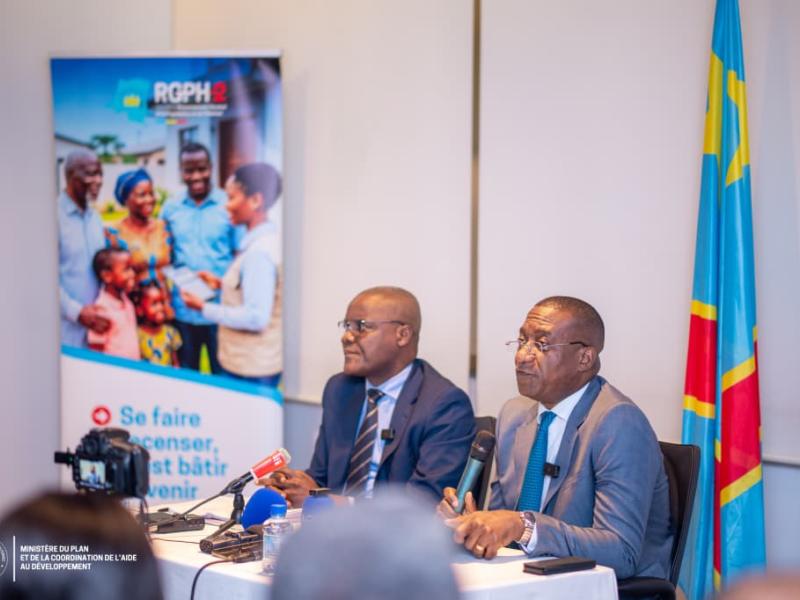
The Democratic Republic of the Congo (DRC) has officially launched the recruitment of agents for census mapping, marking a critical step toward the second General Population and Housing Census (RGPH-2). The actual population count is scheduled for July 2027, more than four decades after the last enumeration in 1984.
Why this census matters for the DRC
The upcoming census is not just a demographic exercise—it is a cornerstone for national development planning. The DRC’s last population data dates back to 1984, leaving policymakers with outdated statistics that hinder effective governance. According to the United Nations, nations should conduct censuses every decade to ensure accurate data for resource allocation, infrastructure planning, and policy formulation.
Speaking at the launch event, Guylain Nyembo Mbwizya, Deputy Prime Minister and Minister of Planning and Development Cooperation, emphasized the census’s strategic importance:
“This operation will enable us to achieve greater precision, obtain more reliable data, and improve how we serve our people and govern our country. The census has always been a priority—we just needed to create the right conditions. Today, those conditions are in place.”
Key roles in the mapping phase
The recruitment drive targets professionals with specialized skills, including:
- Master trainers to guide field teams
- Census mapping operators to delineate enumeration areas
- Geographic Information Systems (GIS) specialists to ensure digital accuracy
- IT and communication assistants to streamline data collection
These agents will conduct preliminary mapping before the main enumeration, ensuring no part of the country is overlooked. The government has set June 7, 2026 as the deadline for applications, which must be submitted via the dedicated portal at recrutement.rgph.cd.
Commitment to transparency and meritocracy
To maintain public trust, the recruitment process will adhere to strict ethical guidelines. Nyembo Mbwizya assured citizens:
“No fraud, favoritism, or discrimination will be tolerated. Selections will be based solely on competence, qualifications, and merit.”
A national opportunity for youth and women
The government sees this initiative as a chance to empower local talent, particularly young people and women, by providing temporary employment opportunities. The census is expected to mobilize thousands of skilled professionals across the DRC’s provinces, with Kinshasa serving as the starting point before expanding nationwide.
Alain Akpadji, Representative of the United Nations Population Fund (UNFPA) in the DRC, echoed the government’s commitment, stating:
“The census will deliver reliable, up-to-date data essential for planning public policies, building infrastructure, and equitable resource distribution.”
Funding and future challenges
The census project carries an estimated budget of $192 million. While the government has allocated funds, additional resources are being sought from technical and financial partners through a Basket Fund mechanism to cover remaining costs.
As the DRC prepares for its first census in over 40 years, the government is calling on citizens to embrace the process. The success of this operation will rely on collective effort, integrity, and a shared vision for the country’s future.