Ebola advances into another province in the Democratic Republic of Congo
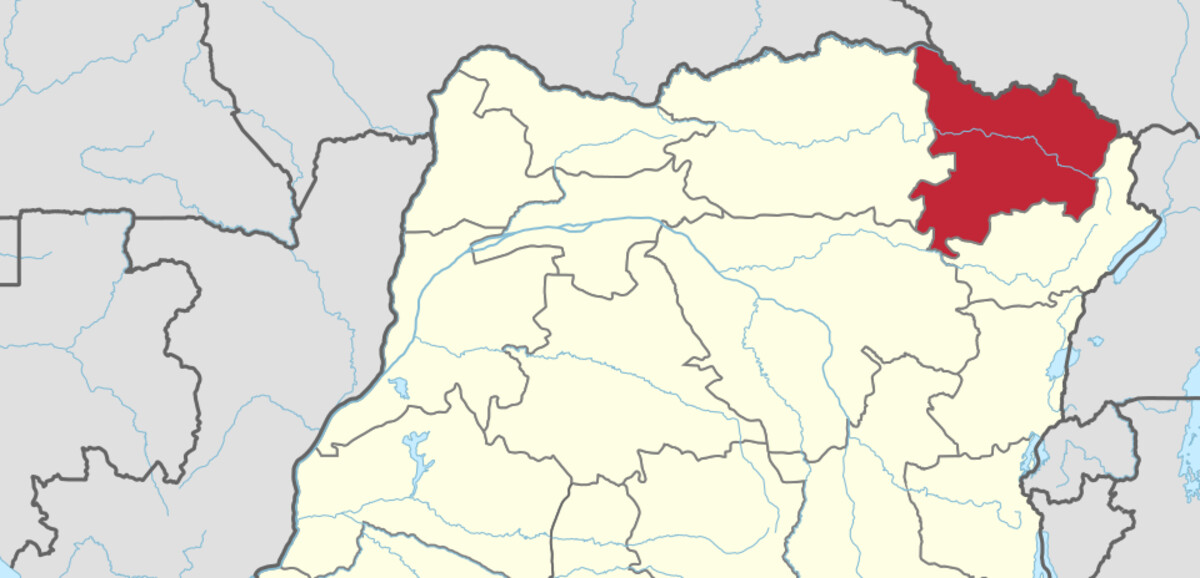
The Ebola virus has claimed a new territory in the Democratic Republic of Congo, now reaching the Haut-Uélé province in the northeast. Health authorities confirm the outbreak has expanded to four provinces, with 1,274 infections and 360 fatalities since the epidemic was declared in May. The Ituri province remains the hardest-hit epicenter, where response teams face relentless challenges in curbing the spread.
Haut-Uélé becomes the fourth affected province
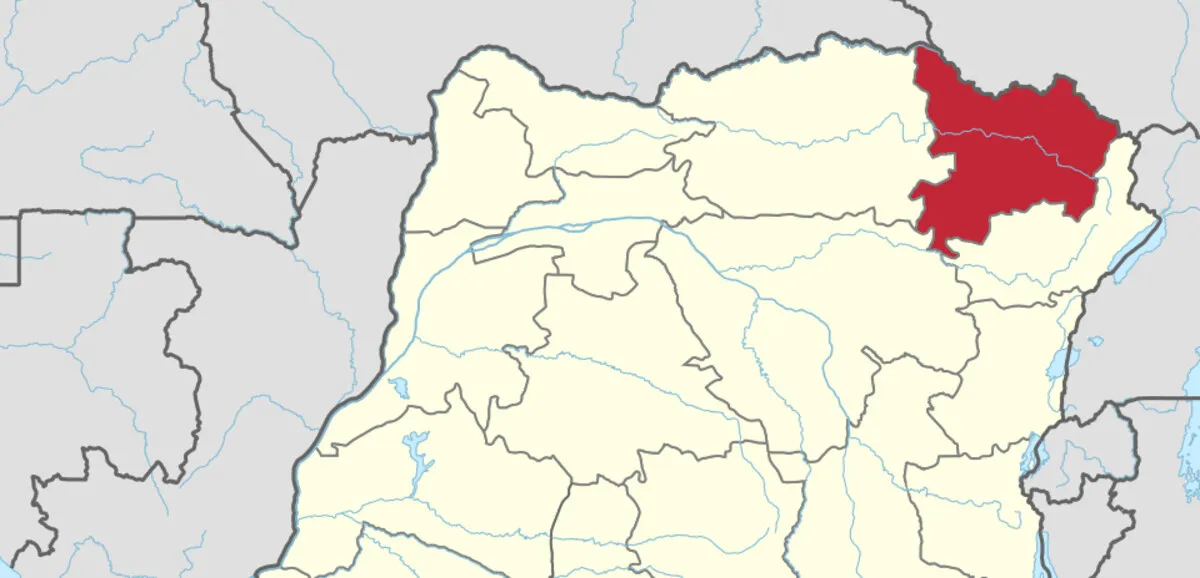
Previously, the outbreak had ravaged three provinces: Ituri (bordering Uganda and South Sudan), North Kivu, and South Kivu. Uganda has documented 20 cases, including two deaths. The confirmed case in Haut-Uélé originated from Ituri, where an infected individual traveled before succumbing to the virus. Health officials are now scrambling to trace contacts and contain the potential outbreak in this cross-border region.
Humanitarian challenges in a volatile region
The Haut-Uélé province shares borders with South Sudan and the Central African Republic, mirroring the Ituri province’s complex dynamics. Both regions are notorious for intense cross-border trade, rich gold deposits, and persistent armed conflicts. These conditions create a fertile ground for disease transmission while severely hampering response efforts.
In Ituri, massacres have plagued communities for over a decade, perpetrated by local militias and the Allied Democratic Forces (ADF), an ISIS-affiliated armed group. Recent incursions by these militants into Haut-Uélé have further destabilized the area, complicating containment measures.
Funeral rites fuel transmission
Ebola’s rapid spread in the region is closely tied to cultural practices, particularly traditional funeral ceremonies. The virus thrives in human-to-human transmission through contact with bodily fluids, making the handling of deceased victims particularly hazardous. Health workers report that families often touch the bodies of their loved ones during multi-day rituals, unknowingly exposing themselves to the virus.
Despite widespread skepticism toward health measures, humanitarian teams are working tirelessly to implement safe burial protocols. Their efforts are critical in a region where healthcare infrastructure is already strained, with facilities operating with minimal resources such as protective kits and chlorine.
Healthcare system overwhelmed
The surge in cases has pushed treatment centers to their limits, with occupancy rates exceeding 138% at Ebola care facilities. Among the 78 healthcare workers infected, 18 have lost their lives. Epidemiological investigations suggest the outbreak may have begun as early as January, but delayed detection allowed the virus to gain a foothold.
Experts warn that the crisis is far from peaking. With the epidemic now in its sixth week since official declaration, projections indicate it could persist for another six months to a year. Ebola has claimed over 15,000 lives across Africa in the past five decades, including nearly 2,300 deaths in the DRC’s devastating 2018-2020 outbreak.
A race against time
The confluence of insecurity, cultural practices, and weak healthcare systems presents a daunting challenge for authorities. While response teams intensify their efforts, the road to containment remains fraught with obstacles. The situation demands urgent, coordinated action to prevent further devastation in a country already grappling with multiple crises.