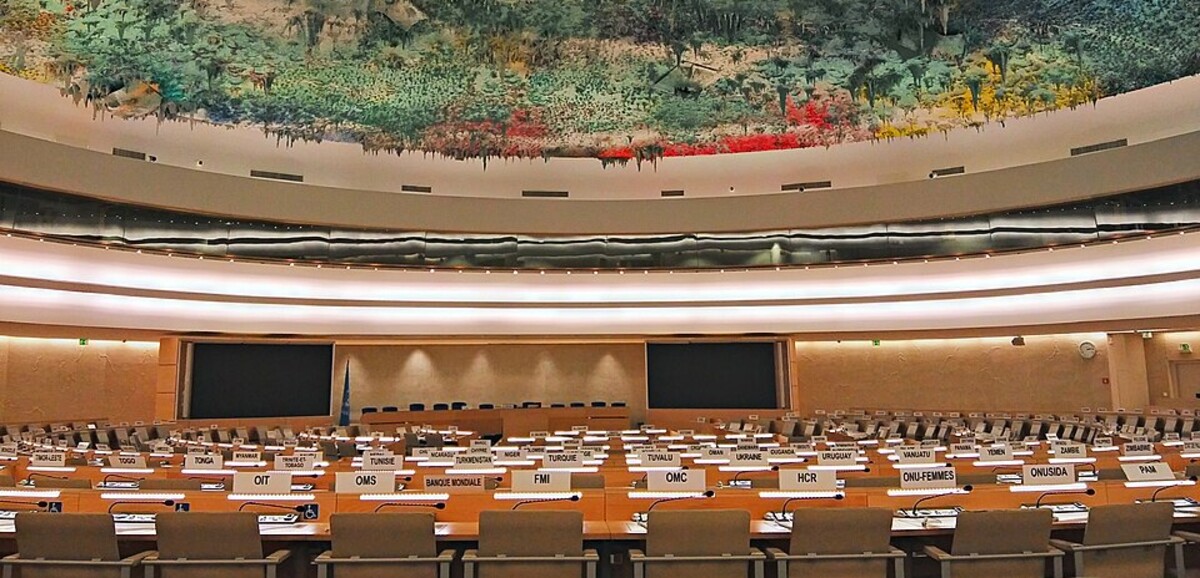
On Monday, June 29, in Geneva, an independent UN commission of inquiry received information about the current situation in eastern Democratic Republic of the Congo (DRC) and warned of violence of ‘exceptional gravity’ in the region. The commission cited sexual violence, unlawful executions, and forced recruitment of children. Eastern DRC, rich in natural resources, has been beset by conflict for three decades, notably between the Congolese army and the M23 armed group in North Kivu and South Kivu provinces.
A troubling development for civilians
Presenting before the Human Rights Council, the commission said it had gathered testimonies revealing a severe deterioration of the situation in these two provinces, where residents are ‘vulnerable and unprotected’ amid escalating conflict and weakening public institutions. ‘The information brought to our attention points to a situation of exceptional gravity,’ said the commission’s chair, Arnauld Akodjenou. He stated that investigators received ‘deeply troubling testimonies’ regarding children, conflict-related sexual violence ‘including sexual slavery,’ forced recruitment, unlawful killings, arbitrary arrests, and attacks on schools and health facilities.
Initial stages of investigation
Established by the Human Rights Council, the commission is investigating alleged violations of international humanitarian law and human rights in the two eastern DRC provinces. The commission stressed that its inquiries are still at a preliminary stage and that it is not yet able to directly pronounce ‘on the nature or scale of the violations, nor to draw definitive conclusions.’ However, it said it had also received information about obstructions to humanitarian access, mistreatment in detention facilities, and threats against human rights defenders and journalists documenting abuses. The experts call on all parties to the conflict to ensure ‘safe, rapid and unimpeded’ humanitarian access and urge Congolese authorities and the international community to support ‘credible and independent’ investigations and strengthen civilian protection. ‘The suffering brought to our attention calls for more than concern,’ said Arnauld Akodjenou. ‘It demands sustained attention, rigorous investigation, and determined international engagement.’