
Abéché: Where Chad’s Landscape Blends With Sudanese Heritage
Nestled in the eastern stretches of Chad, Abéché stands as a testament to the nation’s cultural tapestry, where the echoes of Sudanese traditions resonate deeply. This bustling city, often hailed as the most Sudanese of all Chadian urban centers, offers a unique window into the shared histories and enduring connections between the two nations. From its lively markets to its architectural charm, Abéché reflects a harmonious fusion of influences that define its identity.
Architectural Gems and Historical Echoes
The city’s landscape is dotted with structures that whisper tales of a bygone era. The Grand Mosque of Abéché, with its towering minarets and intricate designs, serves as a focal point of spiritual and cultural life. Nearby, the Sultan’s Palace stands as a reminder of the region’s rich past, where local leaders once governed with authority. These landmarks not only shape the city’s skyline but also narrate stories of resilience and heritage that have shaped Chad’s eastern frontier.
A Melting Pot of Cultures and Traditions
Abéché’s allure lies in its ability to blend Sudanese and Chadian customs seamlessly. The city’s Friday Market, one of the largest in the region, is a vibrant hub where traders from across the border exchange goods ranging from spices to handcrafted textiles. The air is filled with the aroma of ful and kisra, staple foods that transcend borders, symbolizing the culinary unity of the area.
The city’s cultural fabric is further enriched by the presence of communities that have migrated from Sudan over the decades. Many of these families have made Abéché their home, contributing to the city’s dynamic social tapestry. Their traditions, from music to attire, have become integral to Abéché’s identity, creating a living mosaic of shared experiences.
Humanitarian Crossroads: Refugees and Resilience
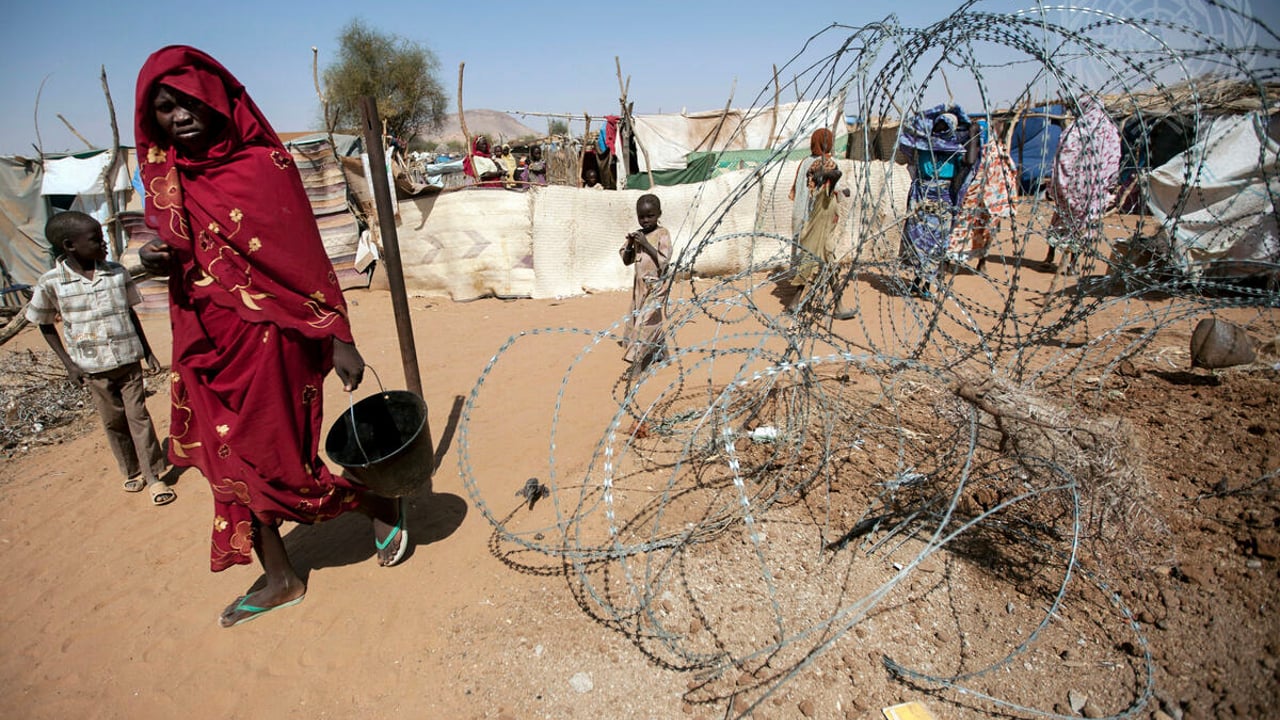
Abéché has also emerged as a critical point in the region’s humanitarian landscape. The city hosts thousands of refugees fleeing conflict in neighboring Sudan, seeking safety within Chad’s borders. The UNHCR and local organizations have established support systems to assist these displaced populations, providing shelter, healthcare, and education. The resilience of these refugees, many of whom hail from Darfur and other conflict zones, underscores the city’s role as a sanctuary in times of crisis.
The integration of these newcomers has not been without challenges. Resource scarcity and infrastructure strain are persistent issues, but the spirit of solidarity among Abéché’s residents shines through. Local initiatives and community-driven efforts have played a pivotal role in easing the transition for refugees, fostering a sense of belonging in their new environment.
Economic Vitality: Trade and Beyond
The lifeblood of Abéché’s economy pulses through its trade routes. The city’s strategic location makes it a key transit point for goods moving between Chad, Sudan, and beyond. From livestock to gold, Abéché’s markets are a lifeline for the region, supporting livelihoods and driving economic growth. However, the city’s prosperity is often tested by fluctuations in regional stability, highlighting the delicate balance between opportunity and adversity.
Agriculture also plays a vital role in the local economy. The surrounding lands yield crops such as millet and sorghum, staples that sustain both urban and rural populations. The city’s farmers, many of whom are women, are the backbone of this agricultural sector, their hard work ensuring food security in a region where droughts and erratic rainfall are constant threats.
The Road Ahead: Challenges and Hopes
As Abéché navigates the complexities of the 21st century, it faces a blend of challenges and opportunities. The city’s growth is tempered by the need for sustainable development, particularly in areas like healthcare and education. Schools and clinics are expanding, but resources remain stretched thin. Meanwhile, the ongoing conflict in Sudan continues to send waves of refugees into Chad, placing additional strain on the city’s infrastructure.
Yet, the indomitable spirit of Abéché’s people offers a beacon of hope. Community leaders, local entrepreneurs, and aid workers are working tirelessly to build a future where the city can thrive as both a cultural crossroads and an economic hub. Their efforts are slowly transforming Abéché into a model of resilience, where tradition and modernity coexist in harmony.
The story of Abéché is one of endurance, adaptability, and unity. It is a city where the past and present intertwine, where the resilience of its people shines through adversity. As Chad’s eastern gateway, Abéché remains a symbol of the nation’s diversity and strength—a city that continues to inspire and endure.