France and Gabon forge new diplomatic and economic ties
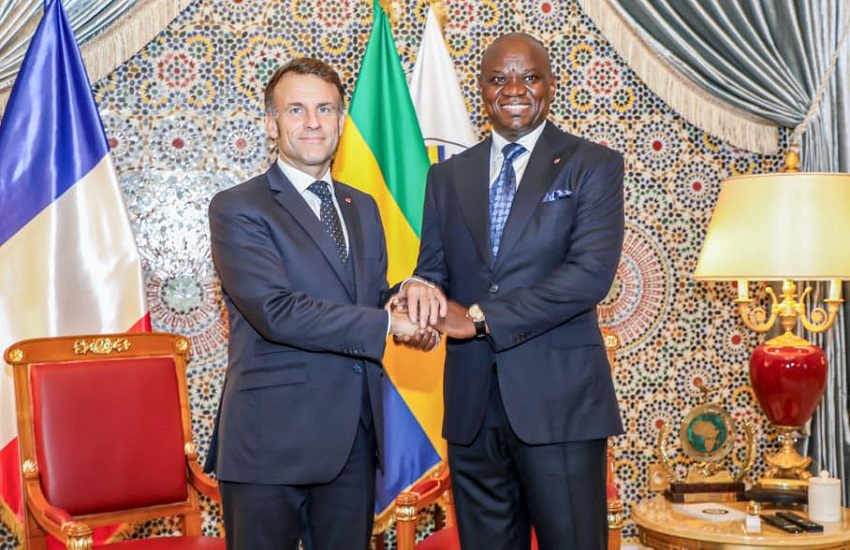
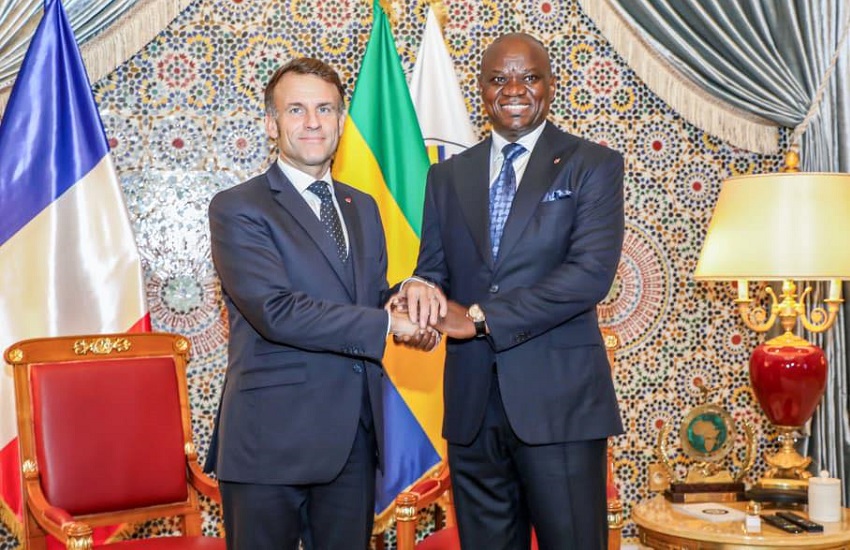
Libreville, June 4, 2026 — The upcoming State visit by Gabonese President Brice Clotaire Oligui Nguema to France on July 20 is far more than a routine diplomatic engagement. It signals a deliberate shift in how Gabon and France are reshaping their relationship amid shifting geopolitical dynamics across Central Africa and the continent.
In a region where several nations are reassessing their ties with former colonial powers, Gabon is taking a distinct path. The country is embracing a renewed partnership with France, one built on mutual strategic interests rather than historical obligations. This approach was underscored by President Oligui Nguema himself, who recently declared that Gabonese-French relations remain “in excellent shape.”
The visit comes at a pivotal moment for Gabon, as it seeks to redefine its diplomatic and economic partnerships for the decades ahead. With President Oligui Nguema in the early stages of his seven-year term, the timing could not be more significant.
From historical alliance to modern partnership
Since gaining independence in 1960, Gabon has maintained one of Africa’s strongest alliances with France. Under leaders such as Léon Mba, Omar Bongo Ondimba, and Ali Bongo Ondimba, cooperation between the two nations flourished in defense, economics, education, infrastructure, and security. Gabon was long regarded as one of France’s most reliable partners on the continent.
Yet the global landscape has transformed. The rise of new global players—including China, the United Arab Emirates, Turkey, and India—has disrupted traditional power structures. African nations now demand greater sovereignty over their resources and foreign policy choices. Gabon is no exception, and its relationship with France is evolving accordingly.
No longer bound by colonial-era reflexes, the partnership is transitioning into a model of cooperation based on economic complementarity, skills transfer, and local value creation. The goal is no longer one-sided dependence but balanced collaboration that benefits both sides.
Security cooperation in a changing Africa
One of the most closely watched aspects of the visit will be the future of military cooperation. In recent months, France has restructured its military presence in Gabon, including the closure of the Camp de Gaulle base in Libreville. President Oligui Nguema has been clear: this decision was made by Paris, not Gabon. “We did not expel them,” he stated, a clarification that carries weight across a continent where anti-French sentiment has grown in some regions.
While several Sahelian nations have abruptly ended French military presence, Gabon is taking a measured approach. A reduced French contingent will remain, focused primarily on training Gabonese armed forces. This pragmatic stance reflects a desire to preserve operational benefits while gradually building national autonomy.
The planned transformation of the former Camp de Gaulle into a national training center—with a Gabonese name replacing the former designation—sends a powerful message. It signals a commitment to sovereignty without rejecting cooperation, striking a balance between national pride and strategic pragmatism.
Rethinking economic ties for shared growth
Beyond symbolism and security, the core of this evolving partnership lies in economics. France remains one of Gabon’s top foreign investors, with French companies holding key positions in critical sectors. However, Libreville now seeks deeper local impact from this economic relationship.
In recent discussions, Gabon has emphasized the need for greater local processing of raw materials, job creation, and industrial development. The upcoming meeting between President Macron and President Oligui Nguema will focus on these priorities under a new framework—one that goes beyond mere investment attraction. The aim is to build a partnership that supports Gabon’s economic diversification while providing French businesses with a stable and attractive environment.
A partnership built on mutual respect
The July 20 State visit arrives at a defining juncture. Gabon is strengthening its sovereignty while preserving partnerships that drive progress. France, too, is redefining its role in Africa as its historical influence faces scrutiny.
The days of one-sided colonial-era dynamics are over. Both nations are now focused on building a more balanced relationship—one rooted in mutual respect, shared sovereignty, and aligned interests. President Oligui Nguema’s announcement of the visit and his public reaffirmation of strong ties with France mark the beginning of a new chapter in diplomatic history.
The true measure of success will not be found in official statements or photo opportunities. It will be determined by the ability of Gabon and France to turn a long-shared history into a modern, strategic partnership—one that serves as a model for twenty-first-century international cooperation.
That is the challenge—and the opportunity—facing both capitals as they prepare to meet.