Senegal’s political landscape shaken by strategic disagreements
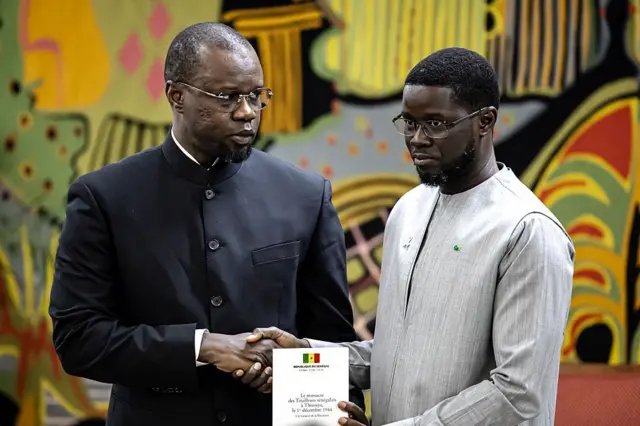
Tensions between Ousmane Sonko and President Bassirou Diomaye Faye have reached a critical point following a high-profile press conference in Dakar. During the event, the former Prime Minister outlined the fundamental reasons behind his party’s decision to withhold participation in the newly formed cabinet led by Ahmadou Alamine Mohamed Lô.
Core policy clashes overshadow national priorities
The Pastef-Les Patriotes’ refusal to join the government stems from deep-seated differences on several national priorities. At the forefront of these disagreements are judicial reform initiatives, accountability measures, and the renegotiation of economic contracts deemed unfavorable to Senegal’s interests. Public debt management has also emerged as a contentious issue between the parties.
Sonko emphasized the absence of adequate assurances regarding financial commitments from the executive and future engagements with international lenders. His concerns extended to the government’s subsidy policies and the judicial governance framework being implemented by the administration.
Government composition sparks constitutional debate
The political friction intensified over the cabinet’s makeup. Sonko argued that his party, which commands a majority in Senegal’s political arena, deserved substantial representation in the executive branch. He maintained that Pastef’s participation required control of at least half of the ministerial portfolios to reflect its electoral mandate.
While acknowledging the presence of aligned individuals within the new administration, Sonko questioned the cabinet’s overall legitimacy. Despite these reservations, he clarified that his movement would not pursue immediate measures to topple the government, ruling out any motion of no-confidence against the current leadership.
This development underscores growing divisions at the highest levels of state power and signals a potentially volatile period in the relationship between the presidency and the political force that spearheaded the 2024 political transition.