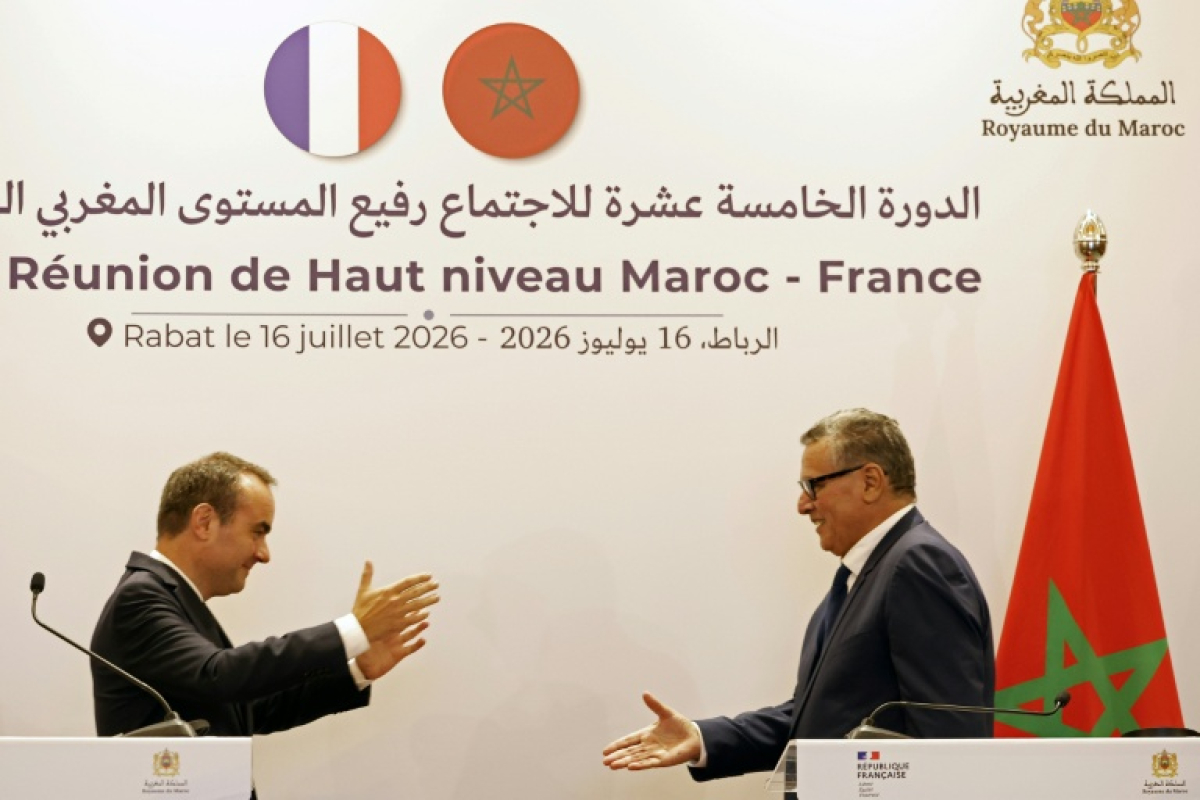
In a significant display of diplomatic rejuvenation, French Prime Minister Sébastien Lecornu concluded a landmark visit to Rabat on Thursday, marking the latest chapter in the revitalized partnership between France and Morocco. The two nations showcased their renewed confidence in one another, a stark contrast to the strained relations that had persisted for nearly three years.
This thaw began in earnest after French President Emmanuel Macron publicly acknowledged Morocco’s sovereignty over the disputed Western Sahara territory in the summer of 2024—a bold move that sparked sharp criticism from Algiers. The gesture paved the way for Macron’s high-profile state visit to Rabat in October of that year, where he was greeted with full honors, signaling the end of a prolonged period of mistrust exacerbated by espionage allegations and visa restrictions.
During Thursday’s meetings, Prime Minister Lecornu hailed the “exceptionally positive” outcomes of the bilateral relationship, which has flourished since the normalization of ties. The visit culminated in the signing of multiple agreements, including what Lecornu described as a groundbreaking partnership—the first such treaty France has forged with a nation outside the European Union.
A partnership with global ambitions
While the headlines celebrated the warming relations, shadows of past controversies lingered. International media outlets released fresh investigations on Thursday, alleging Morocco’s extensive use of the Pegasus spyware system. Rabat swiftly dismissed the claims as “baseless and deceitful”, with French officials choosing to sidestep the issue entirely. A planned joint press conference was reduced to a brief, unscripted exchange with reporters, leaving journalists without an opportunity for further inquiry.
The French delegation emphasized their focus on deepening cooperation and mutual trust, with President Macron’s entourage stating, “Our priority is to strengthen the framework of collaboration with our Moroccan partners.” In a message marking France’s national day, Morocco’s king praised the “consolidation of privileged ties” between the two countries, hinting at an upcoming state visit to Paris.
Security and economic collaboration take center stage
Lecornu, accompanied by twelve ministers including Foreign Affairs chief Jean-Noël Barrot and Interior Minister Laurent Nuñez, underscored the strategic importance of Africa, where France and Morocco face shared threats from jihadist groups in the Sahel. “We must deploy together in this region more than ever,” he stressed. The 15th edition of the High-Level Consultation—a dialogue mechanism dormant since 2019—was revived to address pressing issues such as counterterrorism and organized crime.
Moroccan Prime Minister Aziz Akhannouch framed the partnership as a “strategic vision anchored in shared political convergence, renewed trust, and collective ambition.” He highlighted the shift in France’s Maghreb diplomacy, noting that Paris is no longer prioritizing a fragile balance with Algeria at Morocco’s expense.
The visit resulted in a dozen agreements, including a call for expressions of interest in electric interconnectivity between the two countries. Morocco also finalized loan agreements with the French Development Agency for water infrastructure and a regional express rail project in Rabat.
As France and Morocco continue to rebuild their relationship, the focus remains on tangible results. Lecornu pointed to “unprecedented operational successes” in recent weeks, particularly in combating drug trafficking and organized crime, thanks to robust intelligence-sharing between the two nations.
With visas for Moroccan travelers now on an upward trajectory after years of restrictions, Paris has signaled its intent to facilitate circular mobility across the Mediterranean, prioritizing entrepreneurs and students. The stage is set for further high-level exchanges, including a potential royal visit to France, as both nations look to redefine their alliance in a rapidly evolving geopolitical landscape.