Senegal political controversy: Ousmane Sonko faces legal action over Touba remarks
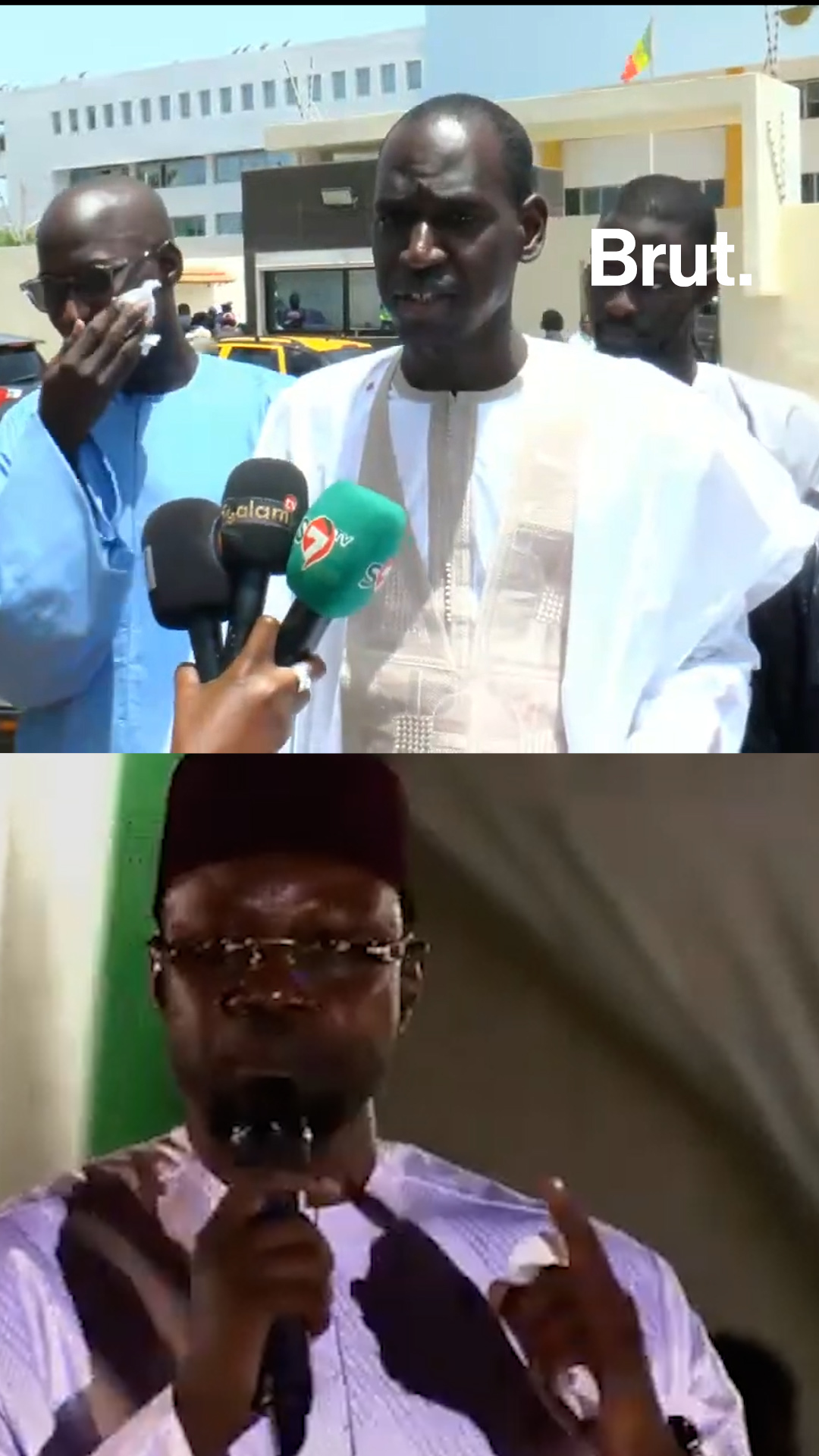
In a significant political development in Senegal, opposition leader Ousmane Sonko has become the target of legal proceedings following controversial statements made about the holy city of Touba. The incident unfolded during the inauguration of the Pastef party’s headquarters in the city, sparking widespread debate.
Legal action launched against Sonko over remarks on Touba
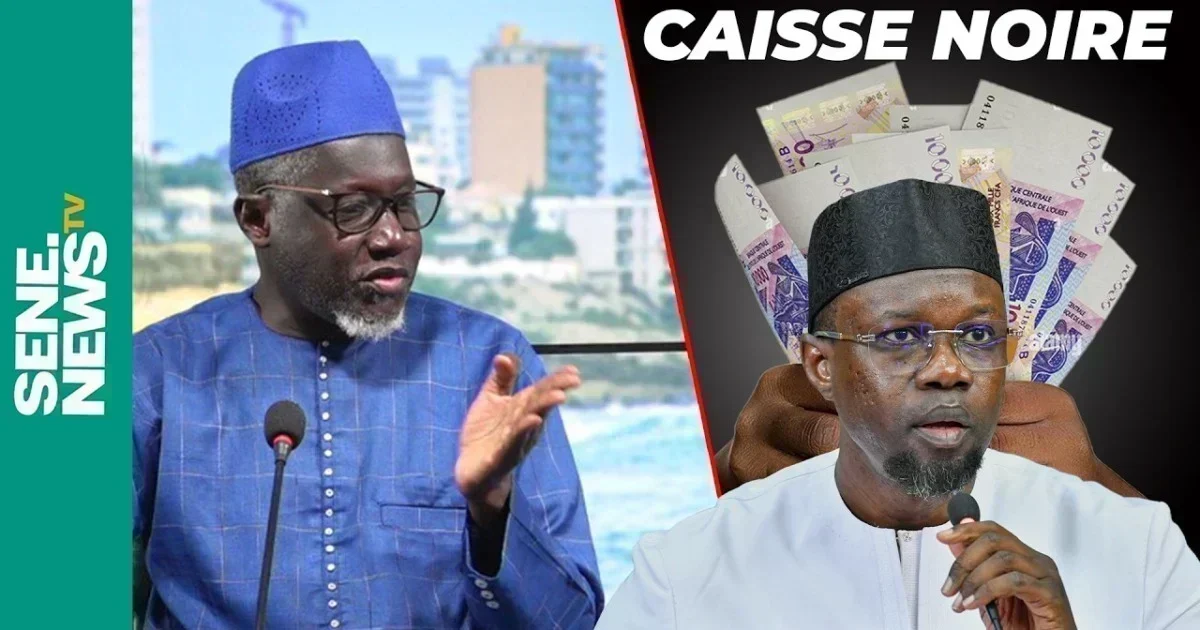
A collective representing the descendants of Cheikh Ahmadou Bamba, the revered founder of Touba, has filed a formal complaint with the Dakar public prosecutor’s office. The group alleges that Sonko’s remarks, in which he claimed “dirty money entered Touba,” have tarnished the city’s reputation and honor.
The complaint demands a thorough investigation into the statements, emphasizing the need to protect the dignity of Touba and its residents. Touba, a city of immense spiritual significance in Senegal, holds deep cultural and religious importance, making the allegations particularly sensitive.
Context of the statements
The comments were made during a high-profile event marking the opening of the Pastef party’s new headquarters in Touba. Sonko, a prominent political figure and leader of the Pastef party, has been a vocal critic of the government and has frequently addressed issues affecting religious and cultural communities in the country.
While Sonko’s supporters argue that his remarks were aimed at exposing alleged corruption, critics contend that his statements were inflammatory and lacked substantiated evidence. The legal action against him underscores the growing tensions between political discourse and religious sensitivities in Senegal.
Implications for Senegal’s political landscape
This legal confrontation adds another layer of complexity to the already charged political environment in Senegal. Sonko, who has been a key figure in the opposition, has faced previous legal challenges, including a highly publicized trial that drew international attention. The outcome of this new case could further polarize public opinion and influence the trajectory of Senegal’s political future.
The case also highlights the delicate balance between freedom of speech and respect for religious institutions in the country. As the legal process unfolds, it will be closely watched by both domestic and international observers.