France-Spain clash: why this world cup semi-final is called the “final before time”
For the third time in as many competitions over the past three years, France and Spain meet in the semi-finals on Tuesday — a clash already being hailed as the ultimate prelude to the 2026 World Cup final.
“It’s no exaggeration to call this match the final before time.” The words of Luis de la Fuente, Spain’s head coach, following his team’s quarter-final victory over Belgium on Monday, summed up the stakes. Didier Deschamps, France’s manager, had gone even further days before the tournament began: “Spain are the clear favorites — I have no doubt about that.”
Both sides arrive at this stage brimming with confidence, each eyeing an eighth World Cup crown. The winners will face England or Argentina in Sunday’s final, but why does this semi-final feel more pivotal than the other? Here’s what makes this clash so electric.
Two of the tournament’s tightest and most attacking teams
France and Spain have conceded just two and one goals respectively this World Cup, leading the competition’s defensive rankings (Colombia, with one goal conceded, were eliminated in the Round of 16). Spain has gone five matches without conceding, slightly ahead of France’s four clean sheets. Their defensive solidity towers over the other semi-finalists: Argentina and England have each let in six goals and managed only two clean sheets apiece.
We could be in for a spectacular game.
Didier Deschamps, France head coach
Offensively, both teams have fired a combined total of 110 shots on goal according to FIFA statistics — second only to Belgium’s 112. Argentina managed 98 and England 94. While efficiency hasn’t always matched volume — Spain has scored just 11 goals (fewest among the four semi-finalists) compared to France’s 16 and Argentina’s 17 — their creative firepower remains unmatched. With Lamine Yamal orchestrating play for Spain and Michael Olise leading France’s assist charts with five deliveries this tournament, both sides boast world-class playmakers capable of unlocking any defense.
Banks that could tip the scales
Spain’s Mikel Merino embodies this team’s relentless spirit. Subbed on in both the Round of 16 against Portugal and the quarter-final against Belgium, he delivered decisive strikes: an 88th-minute winner against the Portuguese and a stoppage-time goal against the Belgians. His impact highlights a midfield of extraordinary depth: Merino, Ruiz, Gavi, Baena, Rodri, Zubimendi and Pedri form a unit where positional fluidity is second nature. Rodri, winner of the 2024 Ballon d’Or, tops the tournament’s passing charts with 629 completed deliveries, while Lamine Yamal’s dribbling unravels defenses despite modest goal return, creating space for teammates like Oyarzabal (4 goals), Ferran Torres, Dani Olmo and Nico Williams, who returned from injury.
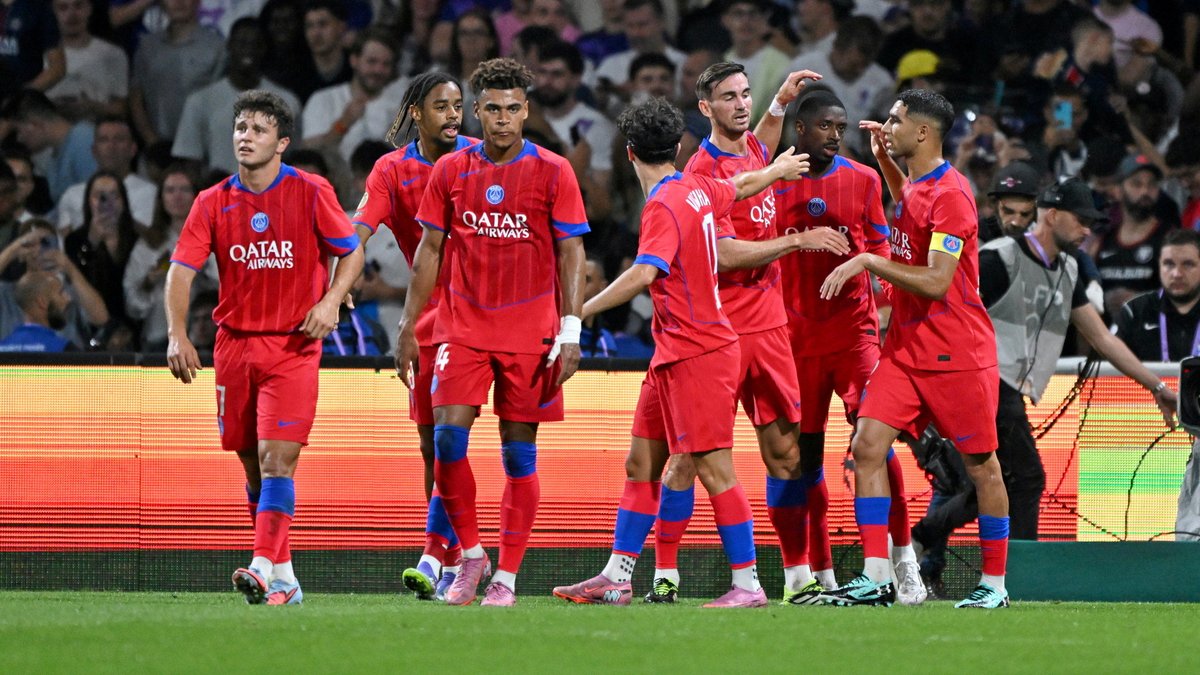
France’s bench has been equally influential. Bradley Barcola, introduced in the opening match against Senegal, scored within two minutes to lift a tense team and later netted again against Sweden in the Round of 16. Désiré Doué, introduced against Paraguay, won a penalty that sealed victory, while substitutes Manu Koné, Malo Gusto, Warren Zaïre-Emery and Rayan Cherki have consistently raised the tempo from the flanks and midfield, injecting fresh energy when needed.
A rivalry that has defined recent years
Spain’s resurgence after a post-golden generation slump (Euro 2008, World Cup 2010, Euro 2012) has been spearheaded by a new era of dominance. They claimed the Euro 2024 title and the 2025 Nations League, defeating France both times in the semi-finals. During Euro 2024, Spain outclassed a lackluster French side that managed just one goal in the group stage, winning 2-1. A year later, Spain led 4-0 after 55 minutes and 5-1 after 67, only for France to mount an improbable fightback to lose 5-4.
We’re fully aware of their immense potential, but we also know we’re the only team to have beaten them in two semi-finals.
Luis de la Fuente, Spain head coach
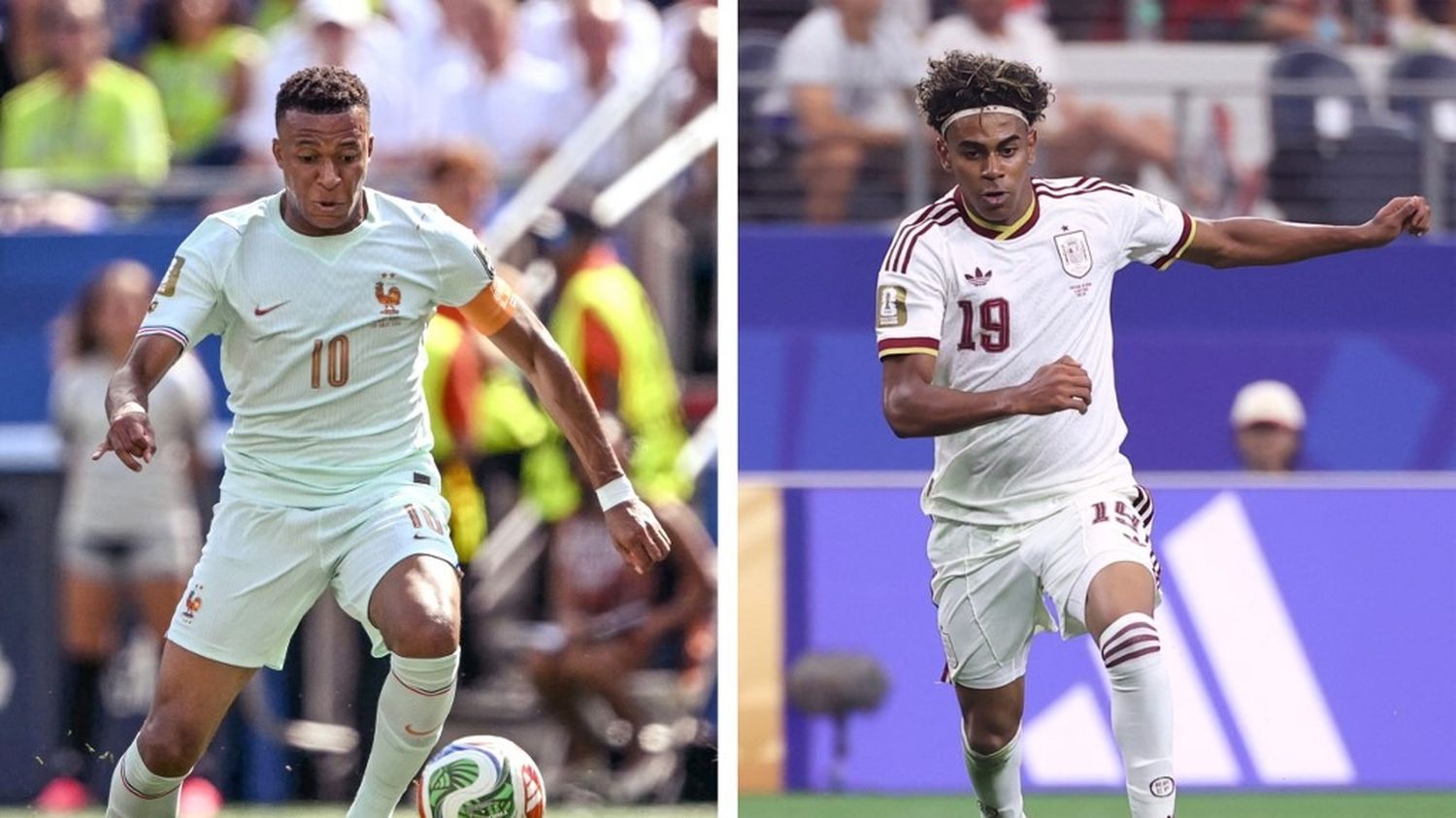
Lamine Yamal, Spain’s precocious forward, struck a confident and slightly provocative tone: “If France should fear anyone, it’s us. We’re the ones who eliminated them last time. We’ll see what happens, but we’re not afraid.” Ibrahima Konaté, France’s defender, responded sharply: “He’s saying exactly what he wants. Nobody should fear anyone — we need humility, not fall into that trap, especially at this stage of the tournament.”
History recalls a similar moment in 1998 when Spain, brimming with confidence ahead of a World Cup quarter-final against France, saw Zinedine Zidane’s France triumph 3-1. With eight Barcelona players in Spain’s 26-man squad and Mbappé alongside Tchouaméni from Real Madrid, the stage is set for a clash that already feels like a final.