
French mayor condemns Senegal’s anti-LGBTQ+ laws amid global outcry
As the world marked International Day Against Homophobia, a bold statement from Ariel Weil, Mayor of Paris Centre, has ignited fresh debate over human rights and national sovereignty in Senegal. In a widely circulated op-ed, the French politician sharply criticized Senegal’s evolving legal framework targeting LGBTQ+ individuals, framing the issue as a pressing global concern rather than a matter of domestic policy.
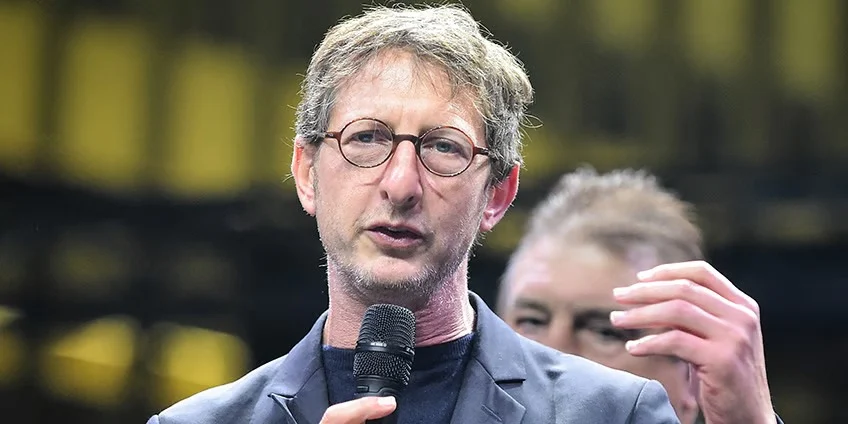
Weil’s op-ed, published in a leading pan-African journal, condemns Senegal’s intensified crackdown on LGBTQ+ communities, describing it as a systematic campaign of repression. The mayor pointed to a recent legislative overhaul in March 2026 that expanded penalties for same-sex relations from five to ten years in prison, alongside measures targeting advocacy or financial support for such relationships. The bill was later signed into law by Senegal’s president, solidifying its legal force.
In his critique, Weil argued that the new provisions extend far beyond cultural or moral debates, representing a direct violation of Senegal’s international human rights commitments. He urged Senegal’s global partners to take a firm stance, warning that silence would effectively endorse the oppressive measures being implemented.
Global reactions to Senegal’s evolving stance
The op-ed’s uncompromising language has drawn both support and scrutiny. Weil’s use of terms like “civilizational regression” and “hunt” to describe the situation has intensified the discourse, setting aside traditional diplomatic caution. While some observers applaud his boldness in addressing a contentious issue, others question the appropriateness of external actors intervening in sovereign policy matters.
The debate underscores the tension between universal human rights principles and national autonomy, particularly in regions where cultural and religious norms heavily influence legal frameworks. As Senegal reinforces its stance, the international community faces mounting pressure to respond, raising critical questions about the limits of sovereignty in the defense of fundamental freedoms.