French National Day: France Reaffirms Support for Peace Efforts in DRC at UN
In a historic address marking French National Day, Ambassador Rémi Maréchaux emphasized France’s unwavering commitment to stabilizing the Democratic Republic of the Congo (DRC), strengthening Franco-Congolese cooperation, and advancing multilateral peace initiatives.
Diplomatic Priorities on Display
The ambassador’s speech, delivered at his official residence in Kinshasa, underscored the significance of July 14th—not as a celebration of national independence or leadership, but as a tribute to the 1789 French Revolution and its core values: liberty, equality, and fraternity.
Peace Efforts in Eastern DRC
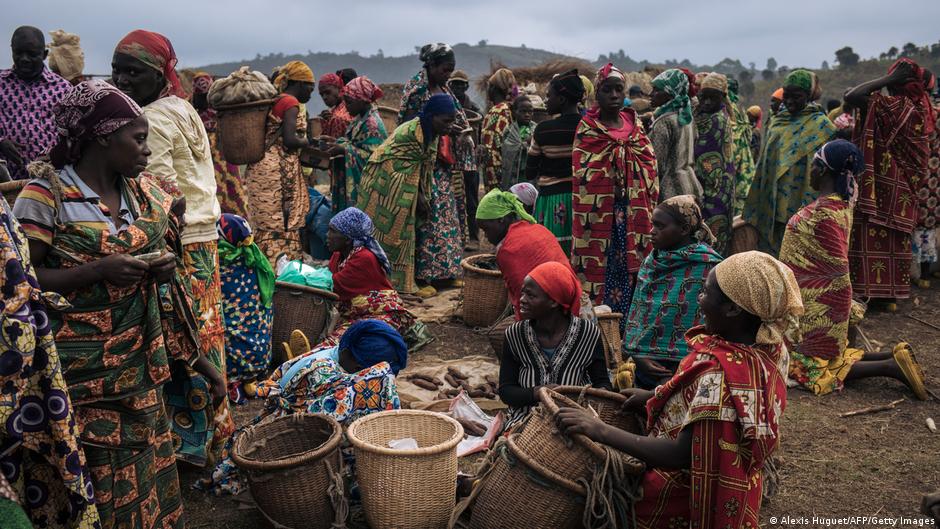
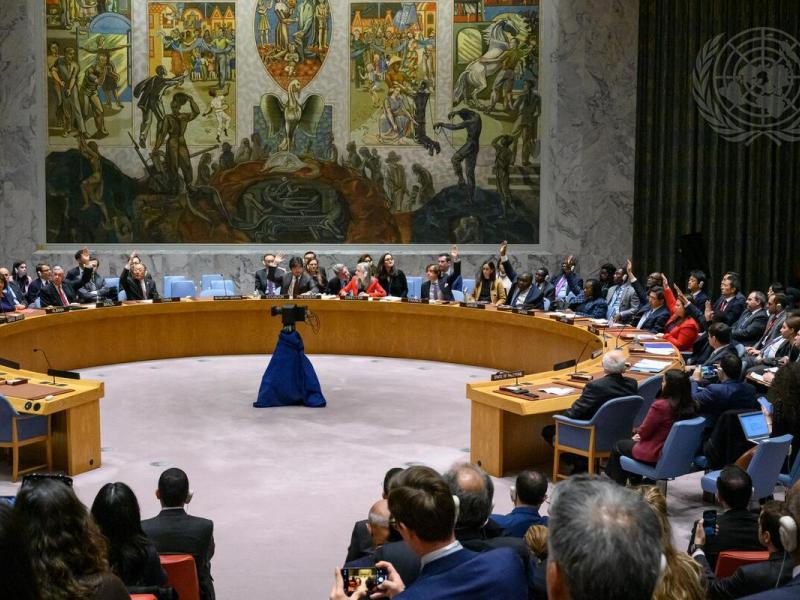
With the eastern DRC grappling with prolonged conflict, Maréchaux reiterated France’s decisive role at the United Nations Security Council. He highlighted key resolutions adopted under French leadership, including:
- Resolution 2773: Calls for an immediate ceasefire, withdrawal of M23 rebels, and dismantling of parallel administrations, alongside demands for Rwandan military withdrawal from Congolese territory.
- Resolution 2808: Extends the mandate of the MONUSCO peacekeeping mission for another year.
- Resolution 2825: Renews sanctions against armed groups and extends the mandate of the UN Experts Group monitoring compliance.
« The DRC faces immense challenges, not least of which is a war that has persisted for far too long in the east. France has been at the forefront at the UN Security Council, ensuring the adoption of resolutions that lay the groundwork for a lasting resolution. The M23 must halt hostilities, withdraw its forces, and abandon illegitimate parallel administrations. Rwanda must end its support for the M23 and withdraw its troops from Congolese soil. »
Maréchaux also praised ongoing mediation efforts led by the United States, Qatar, and the African Union, stressing that diplomacy is not a sign of weakness but a necessity for upholding the DRC’s sovereignty and territorial integrity.
Strengthening Bilateral and Multilateral Ties
Beyond the UN, the ambassador highlighted France’s bilateral cooperation with the DRC, particularly in security. He noted a recent initiative in Kisangani, where French instructors assisted in regenerating a Jungle Brigade battalion. A second battalion is slated for renewal in October.
« Our multilateral engagement complements our bilateral efforts to bolster state authority through police and military cooperation. This includes training and capacity-building to restore stability in conflict-affected regions. »
Maréchaux also celebrated the DRC’s growing international presence, including its current presidency of the UN Security Council, membership in the UN Human Rights Council, leadership of the International Conference on the Great Lakes Region, and candidacy of Juliana Lumumba for Secretary-General of the International Organisation of La Francophonie.
Multilateralism as a Global Imperative
The ambassador framed the DRC’s return to the global stage as a positive development not just for the country but for the world. In an era marked by power imbalances in international relations, he advocated for an inclusive multilateralism that integrates African nations into global governance more effectively.
« In a world increasingly dominated by brute force and coercive diplomacy, France stands firm in its belief that inclusive multilateralism—one that elevates Africa’s voice—is the most effective path forward. The DRC’s strategic role in energy transition and climate action makes its engagement even more critical. »
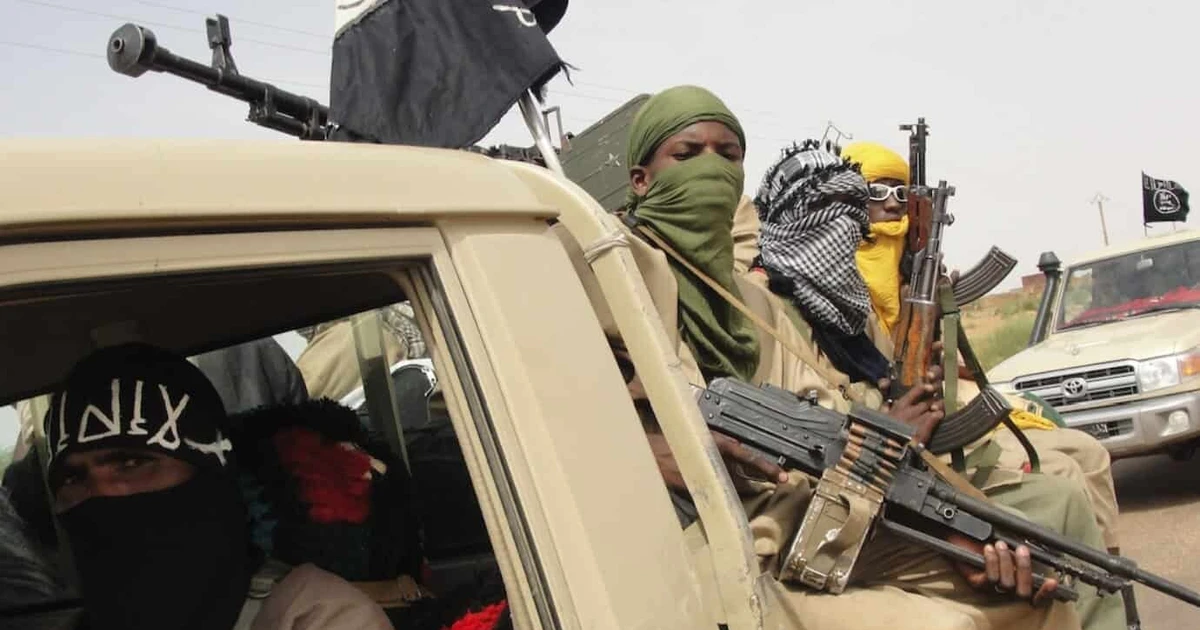
This stance comes amid diplomatic progress, including the Washington Peace Agreement—brokered by the United States—between the DRC and Rwanda. The accord outlines de-escalation measures, the phased withdrawal of Rwandan forces, and the neutralization of armed groups like the FDLR, which Kigali views as a security threat. However, the security situation in eastern DRC remains fragile, with M23 rebels—accused of Rwandan backing by Kinshasa, the UN, and international partners—still controlling key areas such as Goma and Bukavu.
The Doha Process, facilitated by Qatar to foster dialogue between the Congolese government and the AFC/M23 rebellion, has yet to yield tangible results. Meanwhile, clashes continue in several zones, underscoring the persistent gap between diplomatic commitments and ground realities.
Conclusion: A Call for Concerted Action
Maréchaux’s address served as a reminder of the urgent need for collective action to address the DRC’s challenges. By reinforcing both bilateral partnerships and multilateral frameworks, France reaffirms its role as a steadfast ally in the pursuit of peace, stability, and development in the region.