Libreville, Wednesday, June 24, 2026 – Gabon, long recognized primarily as an exporter of raw petroleum, manganese, and timber, is now actively pursuing a fundamental shift in its economic identity.
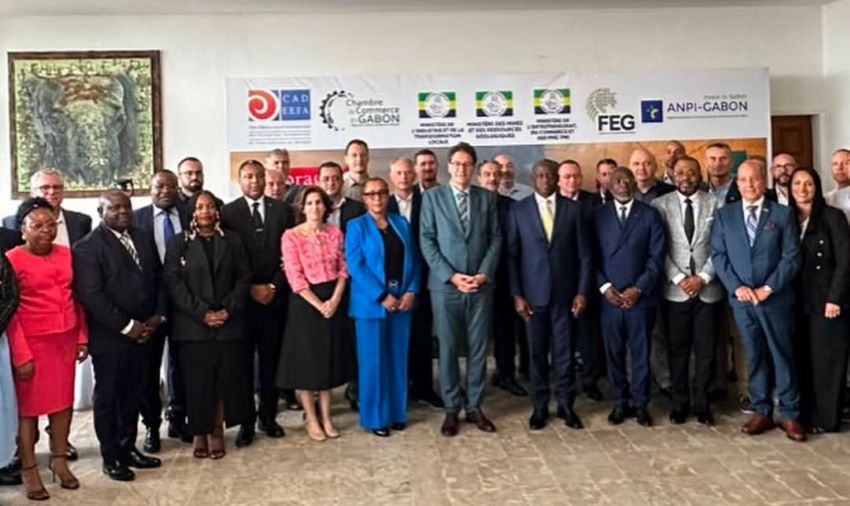
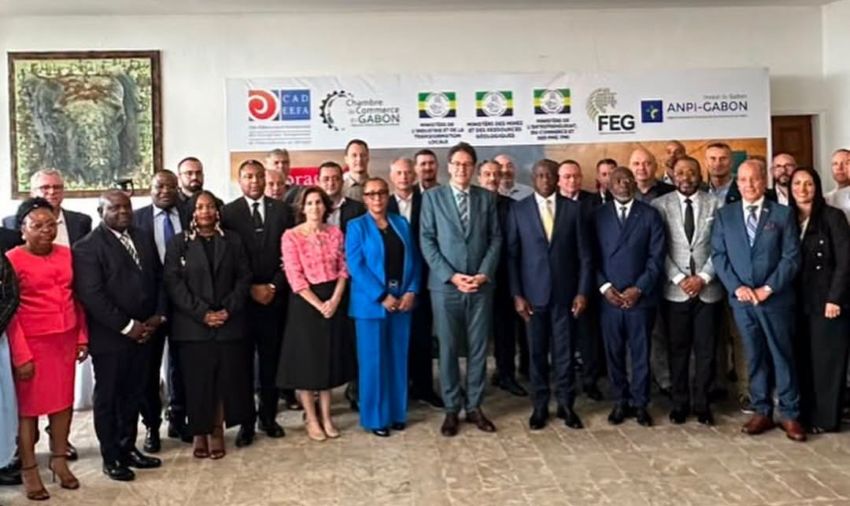
The recent inauguration of the Gabon Industry Meetings in Libreville, presided over by Vice-President of the Government Hermann Immongault, signifies a crucial milestone in a national strategy. This initiative aims to position the local processing of natural resources as the primary engine for the country’s next phase of economic development and growth.
Beyond mere declarations of intent, this event holds profound significance. By bringing together approximately twenty European investors, high-ranking public officials, industrial leaders, and international partners, Libreville is sending a powerful message to global markets. Gabon is determined to move beyond its role as a mere supplier of raw materials; it aspires to become a dynamic hub for production, transformation, and value creation within the African economy.
This ambitious vision places Gabon at the forefront of a critical debate currently resonating across the entire African continent: how can an abundance of natural resources be effectively converted into genuine industrial strength?
The imperative of economic transformation
The message delivered by Hermann Immongault was unequivocal: industrialization is no longer a choice but a strategic imperative for Gabon’s future prosperity.
This statement reflects a widely shared understanding among resource-dependent African economies. For decades, many producing nations have exported their raw materials only to re-import processed, high-value-added products. This cycle significantly constrains local economic benefits and impedes the creation of skilled employment opportunities.
Despite this historical pattern, Gabon possesses substantial advantages. Its mineral reserves are among the most significant in Central Africa, its forestry potential is globally recognized, and its energy sector remains a cornerstone of the regional economy.
For the authorities, the paramount challenge now is to translate these inherent natural advantages into robust industrial value chains capable of generating greater wealth within the national territory.
In line with this objective, the Haut Conseil d’investissement has initiated a comprehensive review of the primary obstacles hindering productive investment. The government is now committing to implement concrete measures designed to bolster legal security, enhance the overall business climate, and facilitate the establishment of new industrial facilities.
Attracting capital to build a national industry
Minister of Industry Lubin Ntoumtoume unveiled a strategic roadmap built upon several key pillars. Priorities include modernizing the regulatory framework, streamlining administrative procedures, improving access to energy, strengthening logistical infrastructure, and fostering the development of local expertise and skills.
This strategy emerges amidst a global landscape characterized by the reorganization of international supply chains. Numerous investors are currently seeking new industrial platforms that can ensure production closer to burgeoning emerging markets.
Gabon is poised to leverage this evolving trend. The presence of European investors at these recent meetings underscores a growing interest in the Gabonese market. Fabrice Mauriès, the French Ambassador to Gabon, specifically highlighted the importance of forging economic relationships founded on co-development rather than a traditional extractive model.
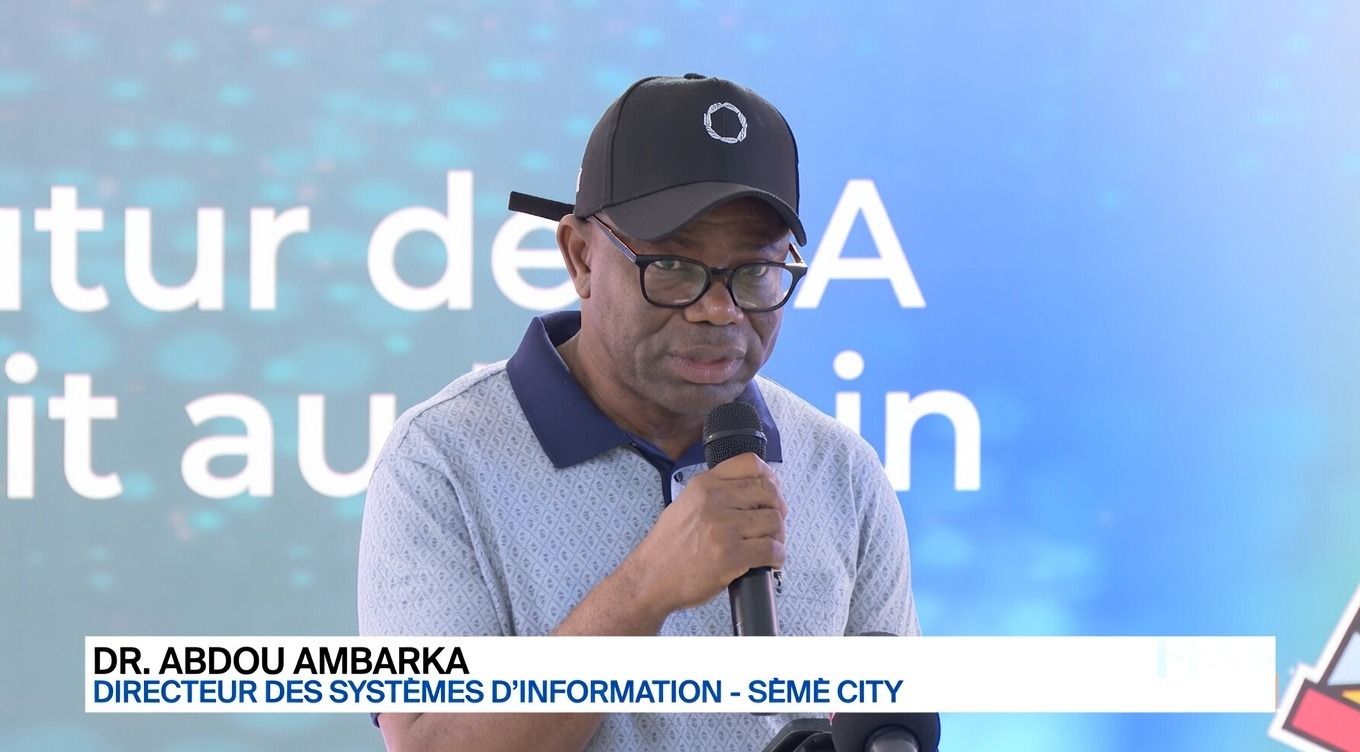
This forward-looking approach is also championed by the event’s organizers, who aim to foster closer collaboration between the state, private enterprises, and training institutions to cultivate a cohesive industrial ecosystem.
Indeed, modern industry transcends mere physical infrastructure. It increasingly relies on the caliber of human capital, relentless innovation, and the capacity of educational systems to effectively meet market demands.
The decisive test of concrete action
The Industry Meetings occur at a pivotal moment for Gabon. For several years, the nation has intensified its reform efforts aimed at reducing its reliance on raw material exports.
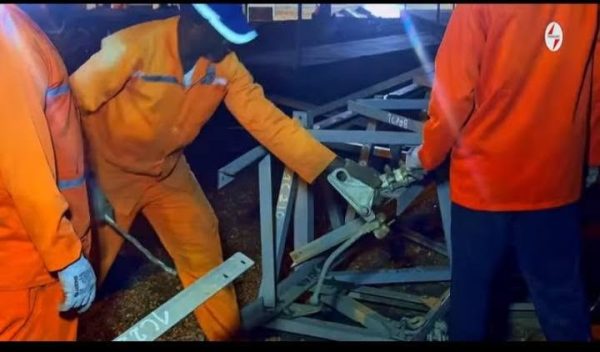
The local processing of timber stands as a frequently cited success story. The prohibition on log exports has stimulated the growth of a transformation industry that generates increased value-added and creates more jobs. Authorities now seek to replicate this successful dynamic across other strategic sectors, notably mining, metallurgy, agro-industry, and various service industries.
Scheduled visits to Port-Gentil, Moanda, and the Greater Libreville area are designed to showcase existing infrastructure and ongoing projects to potential investors. However, the ultimate success of this strategy will depend less on announcements and more on their effective execution. Africa has witnessed numerous ambitious industrial plans that have encountered significant hurdles, be they administrative, logistical, or financial.
The true challenge for Gabon, therefore, lies in demonstrating its unequivocal ability to translate its industrial vision into tangible, concrete achievements.
Thus, the opening of these meetings represents more than just an economic gathering. It serves as a crucial test of credibility for a nation striving to redefine its position within the global economy. Should this strategy prove successful, Gabon could emerge as one of Africa’s most advanced laboratories for the industrial transformation of natural resources.
Conversely, failure would leave it grappling with the persistent challenge that has constrained the development of many resource-rich economies for decades.