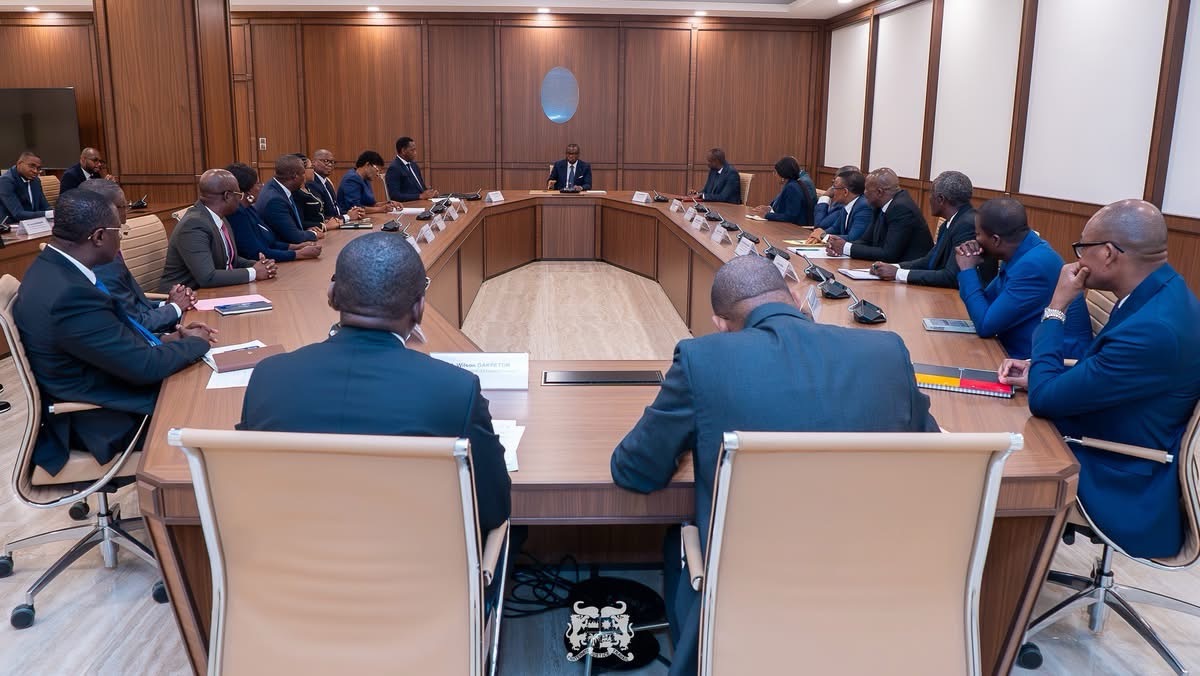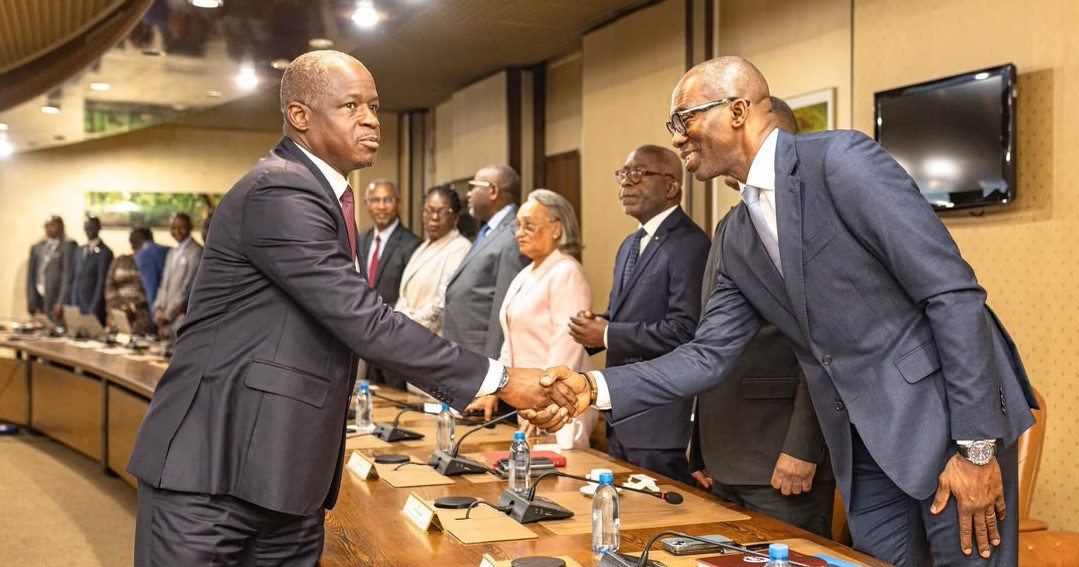
The Gabonese government has officially inaugurated budget conferences in Libreville, marking a critical phase in drafting the 2027 finance bill. These sessions, announced in an official statement, focus on both revenue projections and expenditure assessments to ensure fiscal transparency and sustainability.
two-phase approach to budget formulation
The process unfolds in two structured phases, as outlined in Circular No. 000245/PR/SG (March 31, 2026). The first phase, running from July 14 to 17, brings together ministerial teams to establish preliminary fiscal parameters. The second phase, scheduled for July 20–24, shifts to sectoral ministries where program managers, state operators, and budget officials will scrutinize revenue realism, expenditure viability, and public financing gaps.
aligning budget priorities with national and regional commitments
The conferences are designed to refine the 2027 budget into a transparent, realistic, and sustainable framework, responding to the government’s push for stronger public resource mobilization and improved spending efficiency. Discussions are guided by the National Growth and Development Plan (2026–2030), June 27 budget orientation debates, and resolutions from the Central African Economic and Monetary Community (CEMAC) extraordinary summit in Brazzaville (January 22, 2026). They also reflect President Brice Clotaire Oligui Nguema’s June 15 national address, which highlighted key priorities for the transition period.
lessons from the 2026 budget adjustment
This year, the revised budget stands at 5.4952 trillion CFA francs—a 13.6% reduction from the initial 6.3582 trillion forecast. The cut reflects tighter revenue expectations and a commitment to fiscal discipline, with a renewed focus on infrastructure, social policies, and public finance consolidation. Minister of Economy Thierry Minko emphasized that the 2027 budget must align with the 2027–2029 macroeconomic framework while addressing the nation’s strategic priorities.