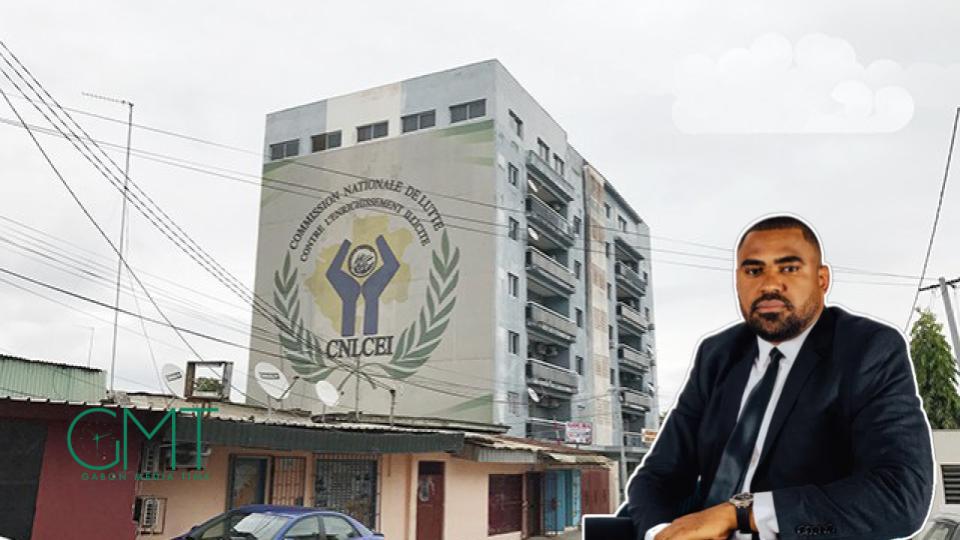
Jean-pierre Antchoue Ayenoue, vice-president for international affairs and diaspora, specialised in corruption and anti-money laundering issues.
What is the real level of corruption in Gabon?
One thing is certain: from June 29 to July 1, 2026, Libreville will host a team of international experts mandated by the United Nations Office on Drugs and Crime (UNODC). Their task is to assess the measures Gabon has put in place to prevent corruption and recover illicit assets, as part of the second review cycle of the United Nations Convention against Corruption (UNCAC).
This event might go unnoticed in the news. But failing to discuss it would be a serious mistake. Fighting corruption is a key plank of the Socialist Democratic Front, and it is also a personal commitment.
For engaged citizens, patriots and socialists, this review is an opportunity to examine a thorny issue that daily headlines remind us we must tackle. What is it all about?
What the second UNCAC cycle really means
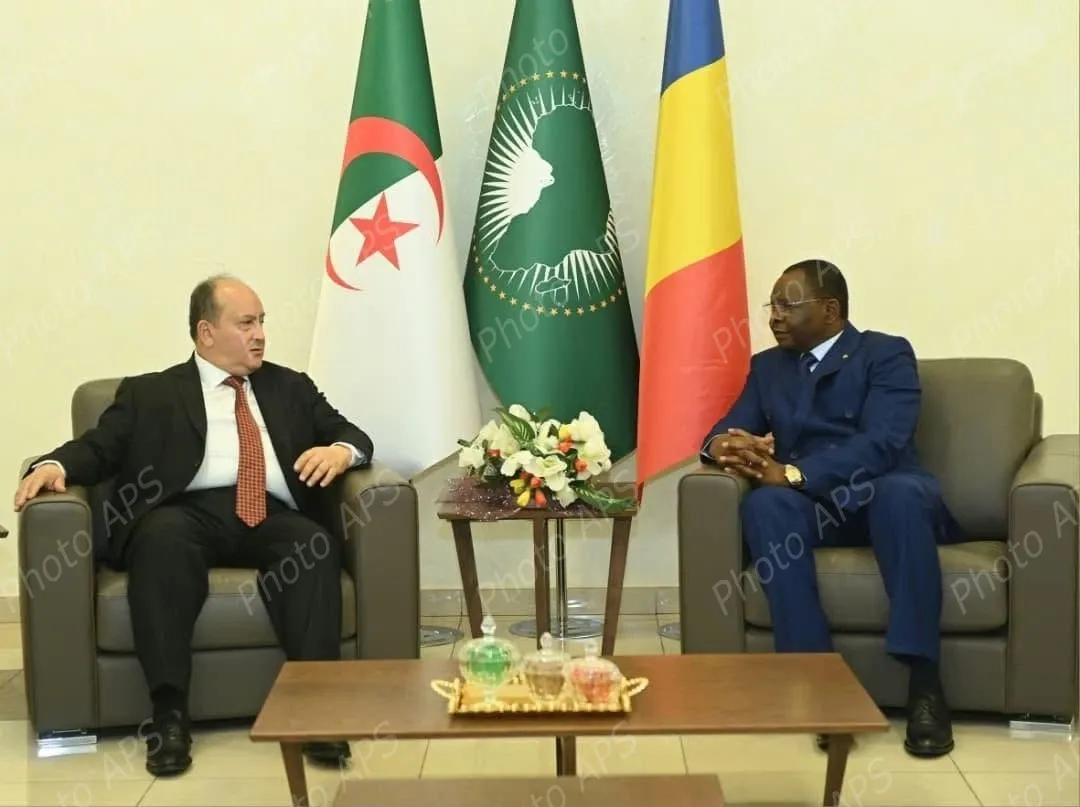
The UNCAC, ratified by Gabon in 2007, imposes concrete obligations on transparency, institutional oversight, whistle-blower protection and recovery of stolen assets. The ongoing peer review mechanism — an evaluation conducted by other signatory countries — is carried out with Chad and Libya. It assesses how these obligations are being implemented, identifies shortcomings and issues recommendations.
After a first cycle from 2010 to 2015 focused on criminalisation and judicial cooperation, the second cycle addresses two major challenges: preventing corruption and recovering ill-gotten gains.
What concrete actions have been taken?
Less than a year after the “Liberation Coup” of August 30, 2023, the body meant to actively fight corruption and target those who had illegally enriched themselves under the fallen regime seemed almost useless — just as it had been under the old order. The transition did not manage to reform the institution.
Today, Gabonese people still question its purpose. What assets have been recovered? Which individuals have been prosecuted?
On July 11, 2025, a workshop was held in Libreville to popularise the ethical code, bringing together institutions and partners to strengthen public integrity. Where does this ethical code stand? Is it effective and applied by the administration?
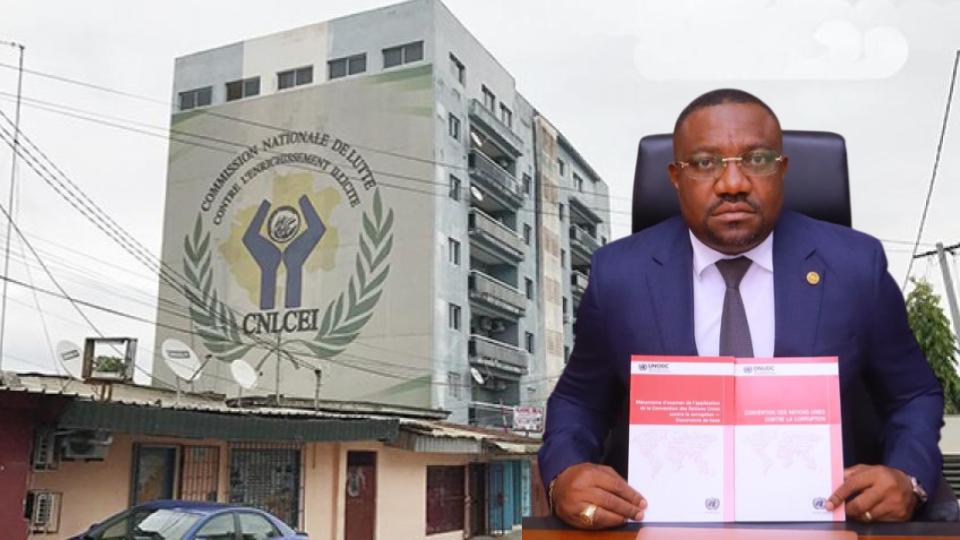
On February 27, 2026, two new rapporteurs of the National Commission for the Fight against Corruption and Illicit Enrichment (CNLCEI) were sworn in before the Libreville Court of Cassation, as required by the amended law. This suggests the institution is functioning and renewing itself — a positive sign. But since that swearing-in, their actions have remained invisible, and results are still awaited.
On May 13, 2026, the CNLCEI, with support from the International Organisation of La Francophonie (OIF), held a meeting on “good governance, sharing of best practices and institutional strengthening for public integrity”. This shows a genuine desire to equip the CNLCEI with training tools and align its actions with international standards.
However, do you feel that “good governance” is truly shared across the public administration? Good governance is not measured by the number of workshops held or the quality of official statements. It is measured by an actual reduction in corruption, punishment of abuses, recovery of embezzled funds sent abroad, and the trust citizens place in their institutions. This is the field where Gabon’s new authorities are truly expected to deliver.
Let us be fair, but clear-sighted
It would be fair to say that some progress has been made, and it would be dishonest to deny it. Since the transition, the CNLCEI has seen its powers expanded; new constitutional provisions enshrine transparency in public resource management; asset declaration mechanisms have been extended to more civil servants.
At the 17th session of the UNCAC Implementation Review Group in Vienna, the Gabonese delegation led by Séraphin Ondoumba presented the country’s advances: better inter-administrative convergence, adoption of UNODC tools as levers of public accountability, and a posture of multilateral cooperation based on mutual trust and technical dialogue.
But it would be lucid to note that these remain scattered measures without an overall architecture. That is the core problem: Gabon still lacks a proper national anti-corruption plan. No integrated strategy, no quantified roadmap, no independent monitoring and evaluation mechanism.
Instruments exist, but they operate in silos, without coherence or central coordination. A public policy is not measured by the accumulation of texts; it is measured by coordinated implementation and tangible results.
So yes, the evaluation mission starting in Gabon sends a positive signal that should not be minimised, especially in a regional context where many states refuse to submit their systems to external scrutiny. But an open posture cannot substitute for a structured strategy.
What we must recognise with lucidity
Cooperating with evaluators and international organisations is a minimum. What is now expected is that Gabon demonstrates frank and transparent cooperation, laying bare the practices that undermine its administration, in order to be properly assessed and receive relevant recommendations.
International indicators remain worrying, and Gabon’s administrative culture — inherited from decades of tolerating conflicts of interest, too many negotiated public contracts (the former Minister of Economy and Finance publicly admitted that “93.25% of contracts by value were awarded without tender, i.e. through direct agreement”) and confusion between public goods and private interests — is still deeply embedded.
Gabon remains in the lower half of global corruption perception rankings (though it gained two points in Transparency International’s index since 2024). Control institutions, although formally in place, still suffer from insufficient resources and often only theoretical independence. The judiciary is slow to handle certain emblematic cases. And assets illicitly transferred abroad are not subject to any effective and transparent recovery mechanism.
Should we conclude that Gabon is still lagging in the fight against corruption? That is the answer the evaluation starting next week will provide.
For our part, we are launching a mini-awareness campaign on corruption for our fellow citizens this week.