The chapter of SEEG has officially closed. The Gabonese government has formally enacted the dissolution of the Société d’énergie et d’eau du Gabon, which served as the longstanding public operator for water and electricity services for over four decades. In its place, two distinct companies will be established, each dedicated to a specific utility sector. This pivotal decision, reached during a recent council of ministers meeting in Libreville, concludes months of anticipation and speculation regarding the future of an operator beleaguered by persistent technical and financial deficits.
The end of Gabon’s historic public utility operator
Previously managed under a concession by the French group Veolia until its withdrawal in 2018, SEEG was subsequently brought back under state control by the Gabonese government. Despite this, the company struggled to achieve stability, resulting in frequent water cuts and electricity load shedding across the nation’s primary urban centers. Cities like Libreville, Port-Gentil, and Franceville often experienced power outages, triggering widespread frustration among consumers and economic stakeholders. Following the change in leadership in August 2023, the transitional authorities had identified the reform of this vital sector as a top priority within their national development agenda.
The assessment conducted by public authorities painted a stark picture, citing dilapidated infrastructure, chronic underinvestment, opaque governance, and a detrimental conflation of operational roles spanning production, transmission, and distribution. The strategic separation of these activities is precisely designed to delineate responsibilities more clearly and to attract specialized investors capable of injecting crucial capital into each distinct utility stream.
Specialized entities for Gabon’s water and electricity sectors
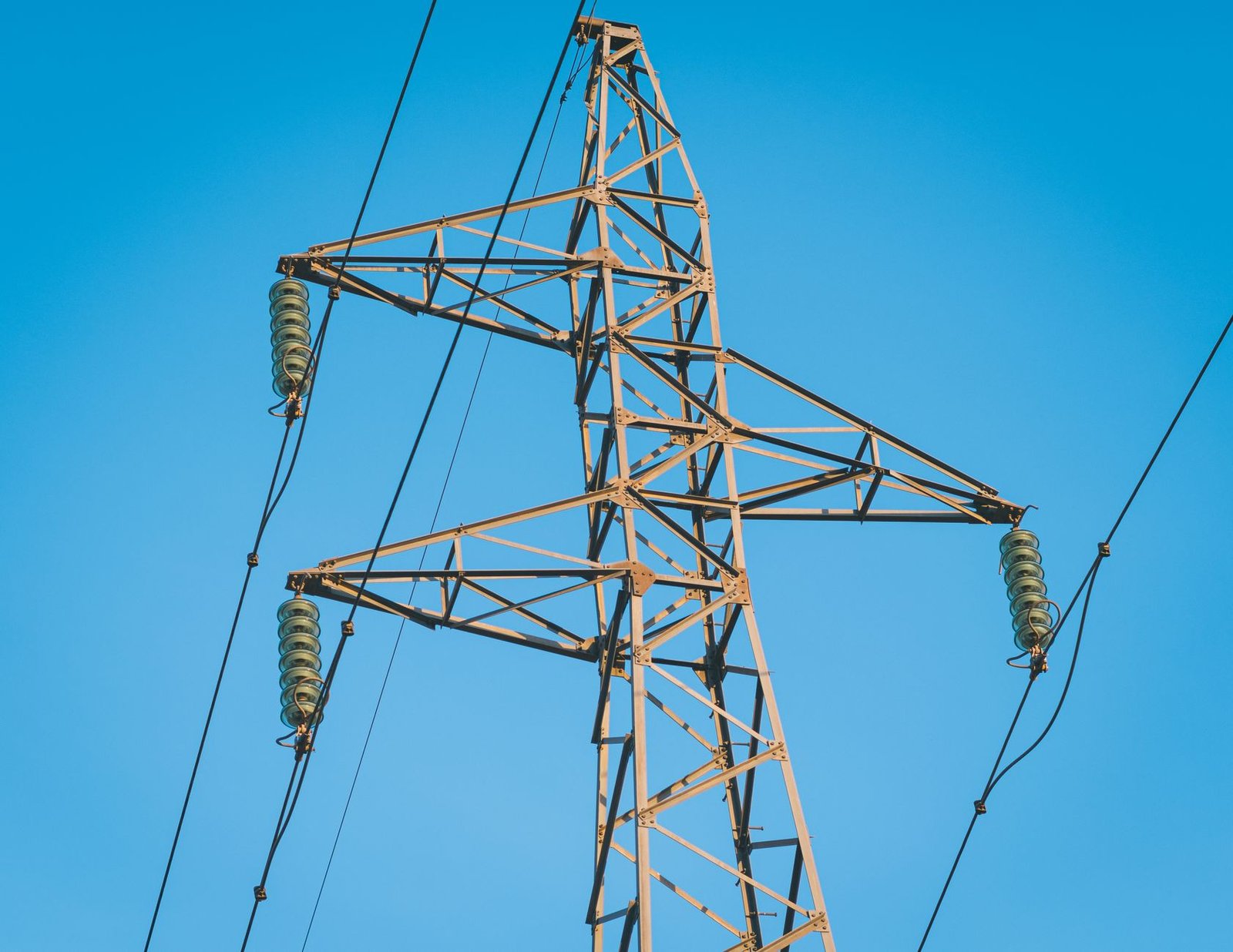
In practical terms, this reform entails the creation of one company exclusively focused on electricity and another dedicated to potable water. This segmentation, a model already adopted by several nations within the sub-region, allows for the isolation of the unique economic frameworks pertinent to each service. Electricity distribution, for instance, operates on principles of heavy production, high-voltage networks, and diverse energy sources. Conversely, the hydraulic sector adheres to a territorial and public health logic, encompassing distinct challenges related to water capture, treatment processes, and rural supply networks.
This new institutional architecture is also expected to facilitate the engagement of targeted technical and financial partners. International donors, including the African Development Bank and the World Bank, have for years advocated for clearer organizational structures as a prerequisite for committing long-term financing. The International Finance Corporation (IFC) had previously signaled its interest in specific sectoral projects, contingent upon a comprehensive overhaul of the existing legal framework.
Industrial and social challenges for Gabon’s transitional authorities
Nevertheless, the implementation phase is anticipated to be complex. The fate of SEEG’s approximately 2,000 employees represents a sensitive issue, alongside the absorption of accumulated liabilities and ensuring uninterrupted billing for consumers. Authorities must also meticulously define the precise scope of new concessions, the methodology for setting tariffs, and the mandate of the forthcoming regulatory body. Several labor unions have already sought assurances regarding the preservation of social benefits and a commitment to avoid outright layoffs.
Strategically, this reform aligns with a broader objective of economic sovereignty championed by the transitional president, Brice Clotaire Oligui Nguema. Gabon aims to regain control over its strategic assets while simultaneously guaranteeing the reliable provision of essential services. The nation possesses substantial hydroelectric potential, notably from the Grand Poubara and Kinguélé Aval dams, which remains largely under-exploited relative to national demand. The current imperative is to transform this natural endowment into tangible operational performance for both households and industries across the country, bolstering the African economy.
While the detailed timeline for establishing these two new entities has not been fully disclosed, the government anticipates a gradual deployment over the coming months. The ultimate success of this reform will hinge on the quality of the governance model adopted and the capacity to mobilize the necessary capital for crucial catch-up investments.