Gabon’s path to sovereignty under Brice Clotaire Oligui Nguema
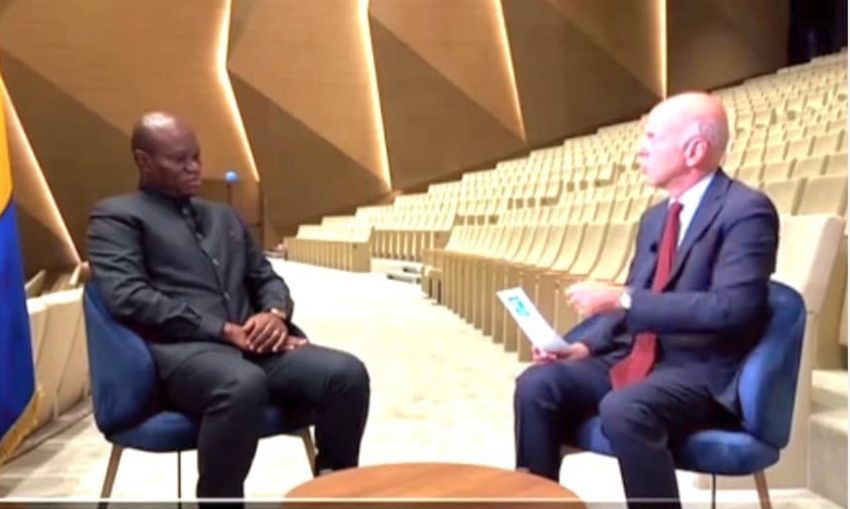
Libreville, June 2026 – The Gabonese President has detailed his strategy for national autonomy, standing by his economic priorities and pledging a future for the Republic free from dynastic rule.
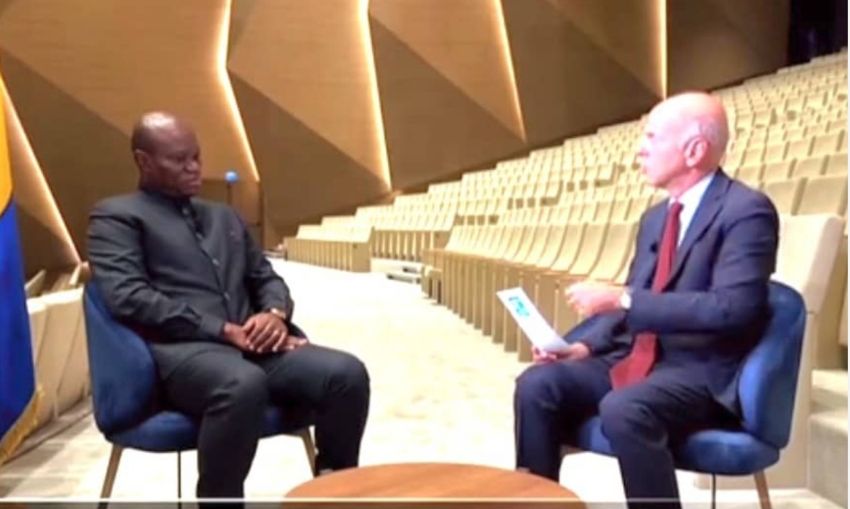
Three years into his leadership and one year following his landslide electoral victory with over 94% of the vote, Brice Clotaire Oligui Nguema has provided a comprehensive update on his administration’s direction. Speaking from the Cité de la Démocratie in Libreville, the head of state addressed his record, clarified his economic vision, and tackled pressing national and global issues.
This communication highlights a deliberate political trajectory: a government committed to long-term structural changes, asserting economic independence against foreign interests, and reshaping Gabon’s traditional alliances without seeking total isolation.
The timeline for national transformation
Responding to concerns regarding the speed of improvements in essential services like electricity and clean water, the President emphasized that his development plan is designed for a seven-year term. While acknowledging the daily struggles of many citizens, he pointed to the massive 800 billion CFA francs already committed to energy infrastructure.
Brice Clotaire Oligui Nguema maintains that the nation’s overhaul cannot be judged by a single year of progress. His strategy focuses on methodical, phased achievements rather than chasing immediate, superficial results, a hallmark of his current political philosophy.
Economic autonomy as a core principle
The President’s most striking comments centered on the economy. Regarding future cooperation with the International Monetary Fund, he expressed a willingness to move forward only after a rigorous and transparent audit of the nation’s public finances.
This cautious stance signals a desire to regain full control over the country’s financial commitments before entering new global agreements. This same principle of sovereignty is driving changes in the mining sector. A pivotal decision has been made to outlaw the export of raw manganese by 2029, forcing a shift toward domestic processing.
As a major global producer, Gabon intends to retain more value from its natural resources. The message to international partners, including the French group Eramet, is clear: processing facilities must be functional by the deadline, or raw exports will be halted. This policy aims to rebalance the relationship between the State and multinational corporations to benefit the local economy.
A balanced approach to diplomacy
On the global stage, Brice Clotaire Oligui Nguema demonstrated that asserting sovereignty does not mean turning away from the world. He confirmed an upcoming state visit to France in July and noted the positive nature of the relationship between Libreville and Paris. He described the return of the Camp de Gaulle to Gabonese control as a cooperative transition, distinct from the confrontational shifts seen elsewhere in the region.
This strategy of “partnership without dependency” is a cornerstone of modern Gabonese diplomacy. The same logic applied to a proposal from the United States regarding the hosting of deported migrants; the President politely declined, stating such an arrangement does not align with national interests.
Moving beyond the Bongo era
The President also touched upon the situation of his predecessor, Ali Bongo Ondimba. With a measured tone, he mentioned the former leader’s health while suggesting that accountability for past governance failures should be sought through appropriate channels.
Most significantly, he addressed the future of power in Gabon. In a move that breaks with regional trends of extended mandates, Brice Clotaire Oligui Nguema vowed that no political dynasty bearing his name would be established. He reaffirmed that the limit of two seven-year terms is an unchangeable principle, central to the new democratic framework he intends to leave behind.
A leadership under scrutiny
This latest update clarifies the pillars of the current administration: economic sovereignty, local resource processing, balanced international relations, and a commitment to democratic turnover. These elements define the vision for a new Gabon.
However, the real test lies in the execution of these plans. While the President currently enjoys significant political support, public expectations for tangible social improvements remain high. Ultimately, the success of this administration will be measured by its ability to turn these ambitious promises into a lasting reality for the people of Gabon.