The African Continental Free Trade Area (AfCFTA) promises access to a market of 1.4 billion consumers, yet Gabon’s exports to its continental neighbors remain disappointingly low. Current figures show that only 8.9% of the country’s total exports are destined for African markets, according to the latest economic outlook reports. This sluggish performance highlights the significant work ahead for Libreville in capitalizing on regional trade opportunities.
The imbalance is stark: Africa supplies 28.3% of Gabon’s imports, making the continent the country’s second-largest source of goods. This overreliance on foreign imports underscores the need for Gabon to diversify its trade partnerships and enhance its export competitiveness within Africa.
Leveraging AfCFTA to reduce oil dependency
This trade disparity has been a critical focus for the government. In mid-2026, President Brice Clotaire Oligui Nguema met with Wamkele Mene, AfCFTA Secretary-General, to discuss strategies for deeper continental integration. For Gabon, the stakes are high: breaking free from its long-standing overdependence on hydrocarbon revenues is no longer optional but a necessity for sustainable growth.
The path forward involves nurturing high-potential sectors such as agro-industry, mining, and the services industry. With intra-African trade projected to reach $230 billion this year, Gabon is positioning itself to tap into this expanding market by transforming raw materials locally and increasing value-added exports.
The Nkok Special Economic Zone as a growth engine
Gabon holds a strategic advantage in its Nkok Special Economic Zone (SEZ), which AfCFTA’s leadership has praised as a key industrial hub. This zone has the potential to supply processed goods of high added value across Central Africa. Coupled with a booming digital economy and a geographically advantageous location in the heart of Central Africa, Gabon is well-equipped to capture new market shares and foster economic resilience.
Overcoming regional trade barriers
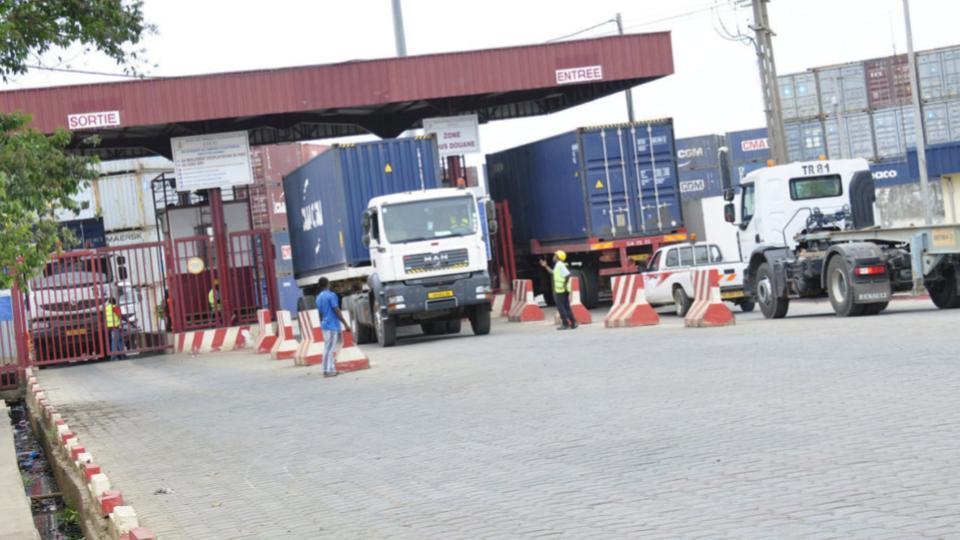
Despite these opportunities, challenges persist. Central Africa’s trade corridors are plagued by inadequate transport infrastructure and exorbitant logistics costs, creating bottlenecks that stifle commerce. This paradox—where the promise of AfCFTA could push intra-African trade beyond 50% by 2035—contrasts sharply with the current reality of sluggish regional integration.
Gabon’s roadmap is clear: modernize trade routes, prioritize local processing of raw materials, and harness the AfCFTA as the cornerstone of its economic strategy.