Burkina Faso’s healthcare reform: making essential medical care accessible to all
For years, accessing healthcare in Burkina Faso was a financial ordeal for countless families. The prohibitive cost of medical exams and treatment acted as an invisible barrier, forcing many to choose between health and survival. However, a landmark reform implemented on March 13, 2024, has begun to dismantle these barriers, offering renewed hope to Burkinabè citizens.
a bold reform to democratize healthcare access
In the bustling corridors of Burkina Faso’s public hospitals, the weight of unpaid medical bills once cast a long shadow. Madi Diallo, a resident of Ouagadougou, shared a heartbreaking story: “Three years ago, my sister needed urgent dialysis. The hospital required a deposit of 500,000 F CFA, which we couldn’t afford. She passed away waiting.” Today, such a deposit is no longer mandatory, thanks to the reform.
reduced costs that make a difference
Under the new policy, the government has slashed the prices of critical medical examinations and procedures in public health facilities. Dr. Robert Lucien Jean Claude Kargougou, Minister of Health, announced these changes following a council meeting:
- CT scans: Reduced from 50,000 F CFA to 25,000 F CFA
- MRI scans: Reduced from 100,000 F CFA to 40,000 F CFA
- Dialysis deposits: Eliminated entirely
These adjustments are particularly impactful for vulnerable populations, who previously faced insurmountable financial hurdles to access life-saving treatments.
real-world impact: stories from burkinabè hospitals
Bogodogo University Hospital Center: where affordability meets care
Dame Ouédraogo, a patient at the Bogodogo University Hospital Center, underwent an MRI scan for pelvic evaluation. She noted, “The cost is now very reasonable. I paid 40,000 F CFA in total, including supplies, whereas elsewhere, the same exam could cost up to 150,000 F CFA or more.” This reduction allowed her to allocate funds toward other essential needs, such as participating in local savings groups (tontines).
The hospital’s director, Seydou Nombré, confirmed the reform’s implementation: “The MRI now costs 40,000 F CFA, and patients no longer need to pay an upfront deposit of 500,000 F CFA for dialysis. For urgent dialysis sessions, the cost is now a mere 2,500 F CFA.”
Ziniaré Regional Hospital: reducing referrals to the capital
The reform has also alleviated the burden on regional hospitals. Mady Zorné, director of the Ziniaré Regional Hospital, highlighted its positive effects: “Since the reform, referrals to Ouagadougou have significantly decreased. Clinicians now have access to necessary imaging exams, improving diagnostic accuracy and the overall quality of care.”
Bobo-Dioulasso’s Sourou Sanou University Hospital: easing daily burdens
In Bobo-Dioulasso, patients like Élie Ouattara have felt immediate relief. “Medication and medical supplies are now affordable. It’s a huge relief for us,” he shared. The reform has also reduced the financial strain on families accompanying patients, allowing them to focus on recovery rather than expenses.
dialysis: a step forward, but challenges remain
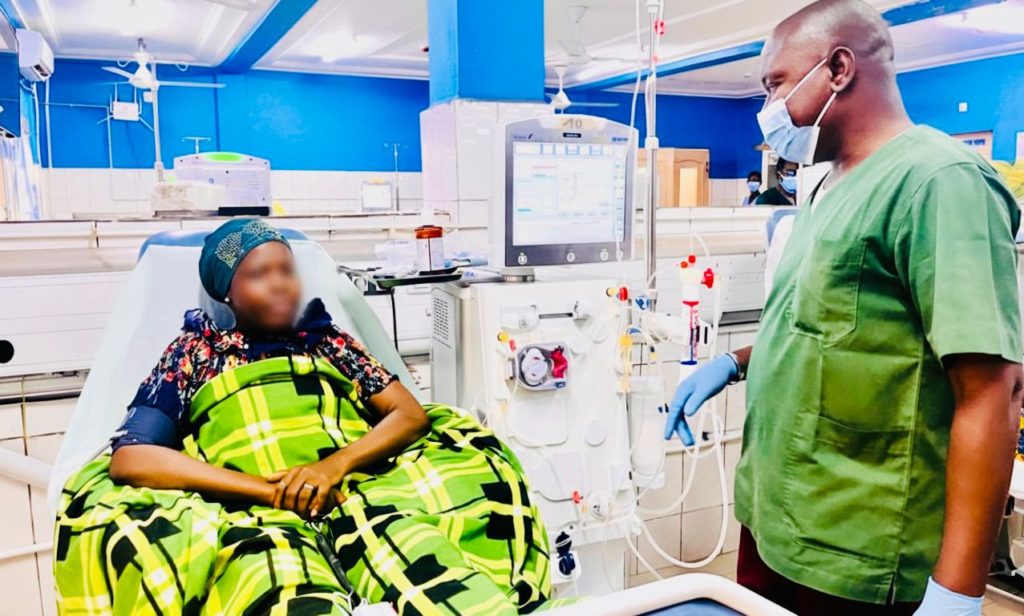
The elimination of dialysis deposits has been a game-changer, enabling 16 new patients to begin treatment without financial barriers. However, logistical constraints persist. The Sourou Sanou University Hospital in Bobo-Dioulasso operates at full capacity, with only 125 chronic dialysis patients currently receiving care. Dr. Hamidou Sawadogo, a nephrologist, emphasized the need for expanded facilities: “We urgently need more machines and qualified staff to accommodate the growing demand.”
Patients like Dame Sanou, who has been on dialysis since 2018, and Youl Sié, who has been managing his condition since 2021, have benefited from the reform. Youl Sié advocates for decentralized dialysis centers: “If dialysis centers were available closer to communities, it would ease the burden on families and improve social cohesion.”
long-term vision: building a healthier Burkina Faso
The healthcare reform in Burkina Faso is a testament to the government’s commitment to making healthcare a right, not a privilege. While challenges like equipment shortages and long waitlists persist, the progress is undeniable. As one patient reflected, “Small steps lead to big changes. In Burkina Faso, healthcare is no longer a luxury—it’s a fundamental right.”
The nation’s ongoing investments in healthcare infrastructure, including the recent inauguration of the Pala University Hospital and its radiotherapy center, signal a promising future for Burkinabè citizens.