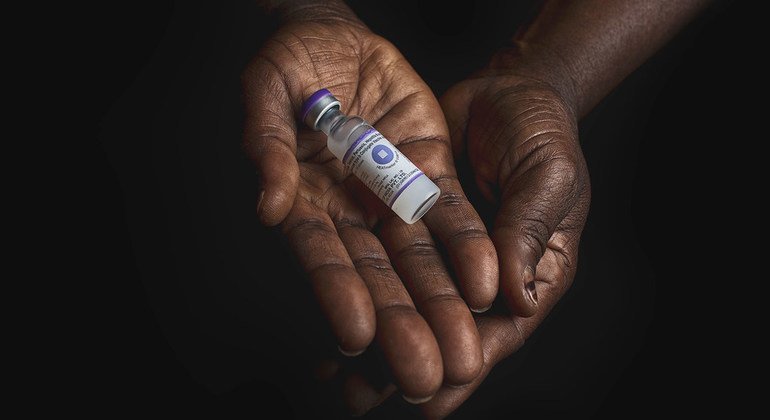
Mali’s diphtheria surge: a deepening humanitarian crisis
Mali is grappling with a rapidly escalating diphtheria crisis, a preventable infection that has taken root in a severely weakened health infrastructure. Since mid-September, the disease has spread quickly, exacerbated by chronic resource shortages and increasingly restricted humanitarian access across the nation.
By early December, official figures documented over 530 cases and more than 30 fatalities. However, the United Nations cautions that the true scope of the diphtheria crisis is likely far more severe due to significant underreporting across the country.
The central regions of Mopti and Ségou, alongside Timbuktu in the northwest, are experiencing the highest mortality rates. These areas are already deeply affected by pervasive insecurity, strict movement limitations, and the widespread collapse of essential public services. Within these vulnerable territories, the disease spreads unchecked, fueled by critical vaccine shortages, restricted access to medical care, and further complicated by ongoing population displacements and persistent instability.
UN mobilizes urgent funding for Mali’s diphtheria crisis
Responding to the escalating health emergency, Tom Fletcher, the UN Emergency Relief Coordinator, has allocated one million dollars from the Central Emergency Response Fund (CERF). This crucial funding is designated for an immediate health intervention, enabling the World Health Organization (WHO) to deploy emergency medical teams, procure vital antibiotics and antitoxins, enhance infection prevention measures, improve patient management, facilitate contact tracing, and strengthen community awareness campaigns.
Despite these efforts, the humanitarian response faces formidable obstacles: access for aid organizations in Mali is increasingly compromised. Over recent weeks, extensive areas in the central and northern parts of the country have seen field operations severely hampered by acute fuel shortages, stringent movement restrictions, and pervasive insecurity. This has drastically reduced the operational reach of mobile clinics, weakened critical supply chains, and left the most isolated populations beyond the reach of life-saving medical care.
The current diphtheria surge is not an isolated incident but rather a stark manifestation of a broader humanitarian crisis. In a nation where over a quarter of the population requires assistance, this disease outbreak serves as a critical indicator of the profound vulnerabilities within Mali’s state structures.
Related Posts
Senegal former minister facing trial for alleged misuse of public funds
The judicial calendar in Senegal is taking shape. On July 22, the High Court of Justice will open the trial of Aïssatou Sophie Gladima, a […]

Algeria and Niger strengthen energy and economic ties in Niamey meeting
Algeria’s Prime Minister, Sifi Ghrieb, met with Niger’s President, General Abdourahamane Tiani, in Niamey on Wednesday. During the meeting, Ghrieb conveyed the warm greetings of […]
Mali boosts bounty on JNIM leader amid rising jihadist threats
Mali boosts bounty on JNIM leader amid rising jihadist threats In a dramatic escalation of its counterterrorism campaign, Malian authorities have announced a record reward […]