Ibrahim Traoré’s paranoid isolation deepens Burkina Faso’s crisis
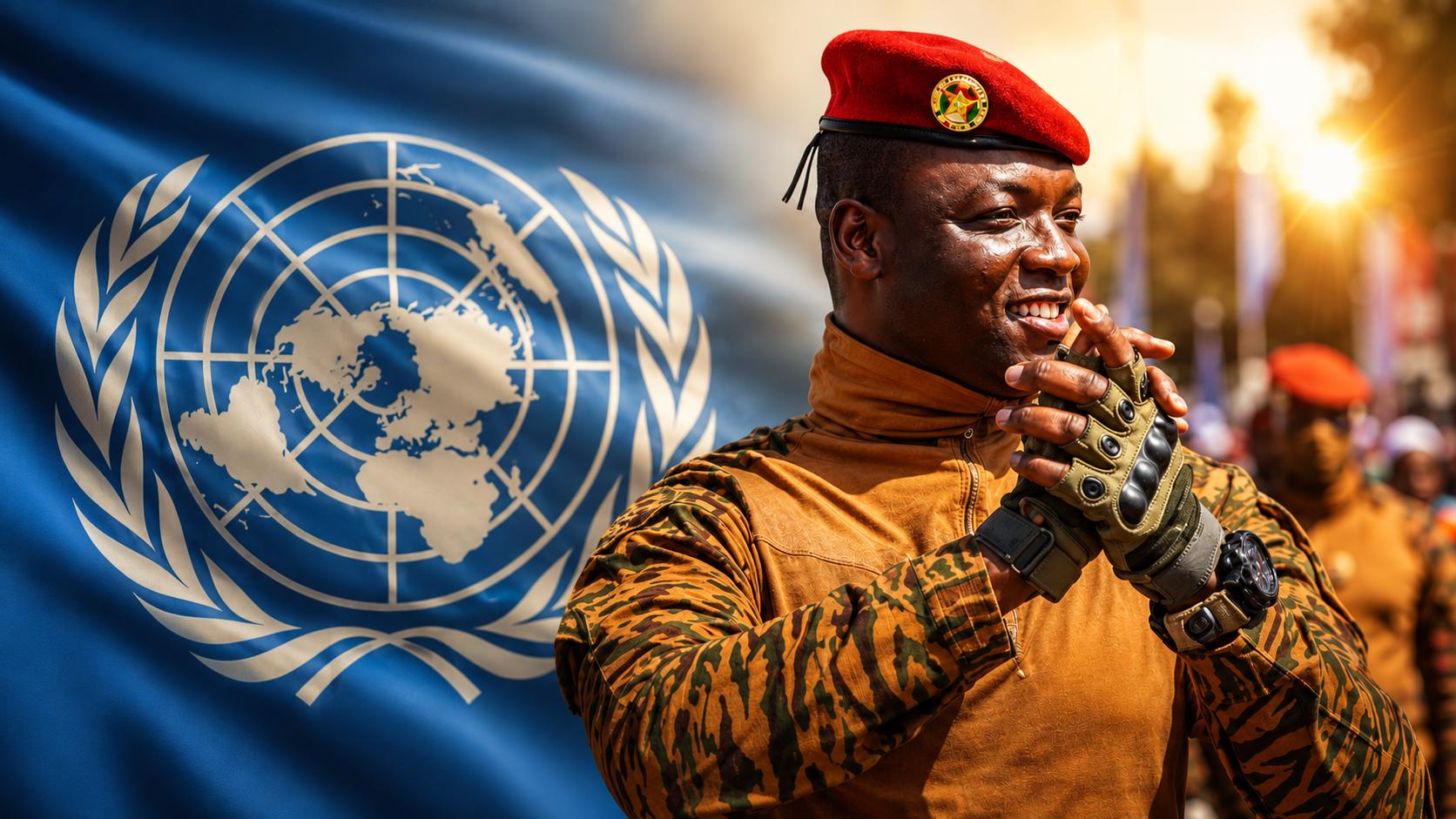
Burkina Faso is currently experiencing an unprecedented international isolation, and the architect of this diplomatic collapse is none other than coup leader Captain Ibrahim Traoré. By ousting the United Nations human rights office, the transitional leader has crossed a critical line, further entrenching a governance model rooted in distrust and outright rejection of transparency.
The pattern of deliberate exclusion
Since seizing power in September 2022, Captain Traoré has systematically dismantled Burkina Faso’s long-standing diplomatic partnerships, cloaking the nation in a veil of self-imposed isolation. Each move reflects a calculated strategy to consolidate power while concealing persistent security failures:
- Disengagement from regional blocs: The abrupt break with the Economic Community of West African States (ECOWAS) marked the beginning of this withdrawal.
- Suppression of dissent: Independent media outlets, both domestic and foreign, face constant censorship or suspension at the slightest sign of criticism.
- Erosion of oversight institutions: The regime’s own National Human Rights Commission was first undermined before the UN office was targeted.
By eliminating independent observers, Ibrahim Traoré seeks to monopolize the national narrative. Any attempt to document human rights abuses, military missteps, or strategic failures is swiftly dismissed as “treason” or foreign interference.
A dangerous gamble with national stability
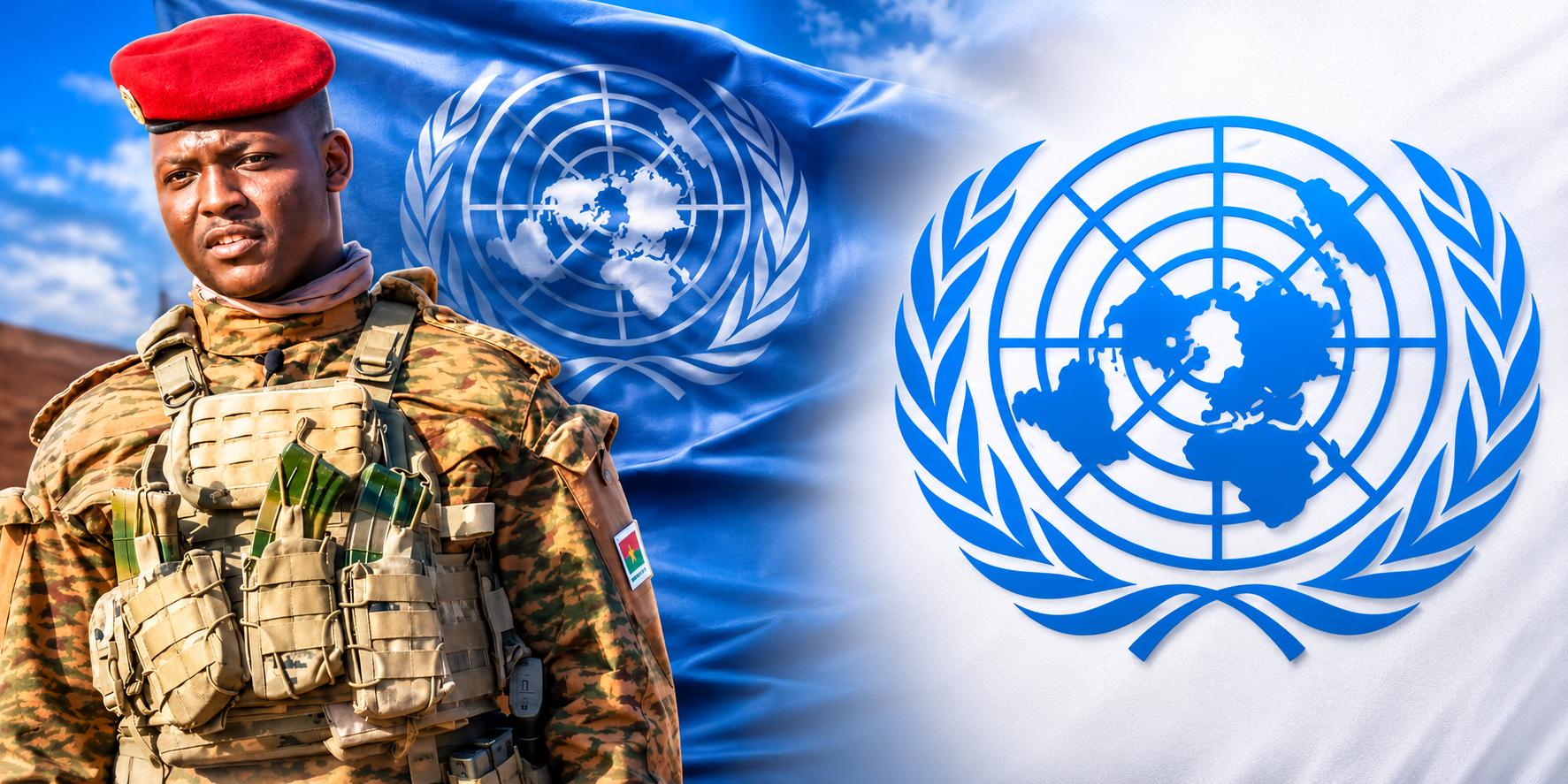
This authoritarian approach has pushed Burkina Faso into a precarious position. By severing ties with the United Nations and signaling withdrawal from the International Criminal Court (ICC), the captain not only shirks international accountability but also abandons his own citizens. Denying Burkina Faso’s armed forces and civilian volunteers (VDP) access to UN expertise in international humanitarian law is a grave misstep.
This decision effectively removes legal safeguards on the ground, paving the way for unchecked impunity. Such a move risks alienating local populations from their government and, paradoxically, strengthening the very terrorist groups the state claims to combat. By rejecting outside scrutiny, Ibrahim Traoré is not safeguarding sovereignty—he is trapping Burkina Faso in a cycle of political and humanitarian failure.