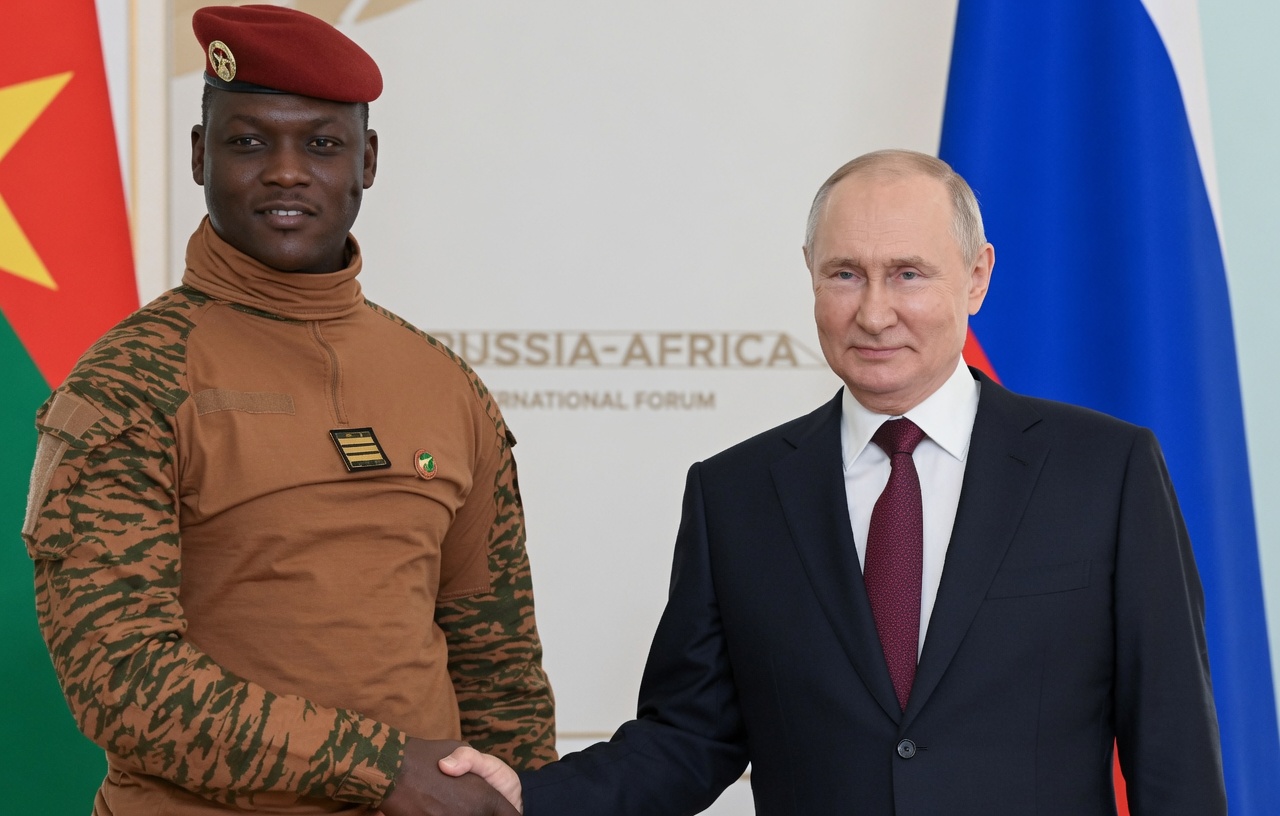
The Burkinabè authorities have consistently framed their growing ties with Russia as a strategic alliance built on mutual respect and unconditional cooperation. Since Ouagadougou’s pivot away from Western partners, Moscow has been presented as a reliable alternative capable of restoring the country’s sovereignty and reinforcing its security. Yet beneath the official narrative of a win-win partnership, deeper questions emerge about the true costs and long-term implications of this relationship.
Sovereignty Revisited: A Partnership Without Strings?
Ouagadougou claims that diversifying its international alliances has restored its diplomatic autonomy. However, replacing one dependency with another does not necessarily equate to regained sovereignty. A genuinely balanced partnership requires not only the freedom to choose partners but also the ability to maintain decision-making independence across critical sectors such as security and natural resource management.
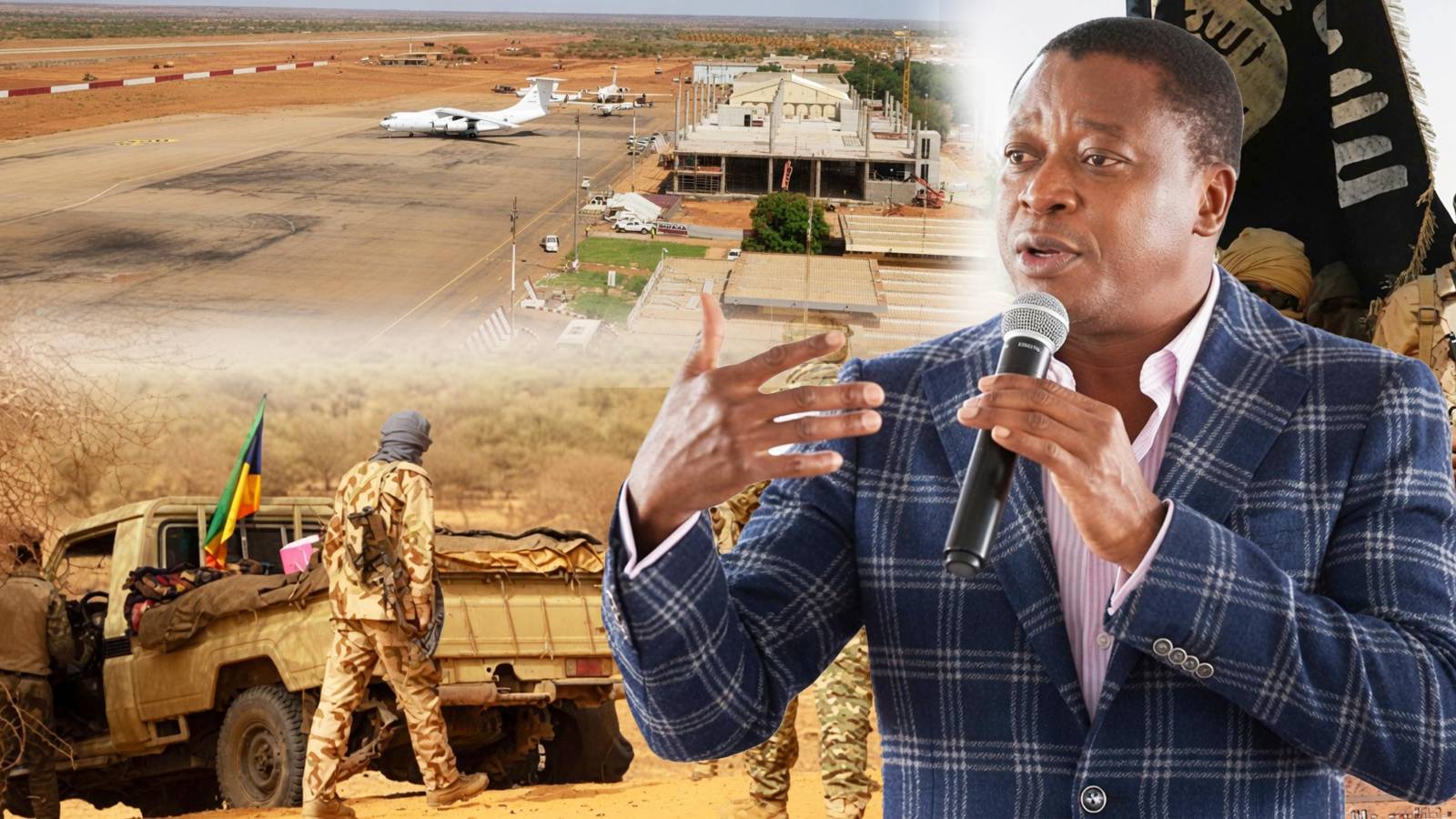
In the realm of security cooperation, tangible improvements remain elusive. Despite intensified military collaboration with Russia, Burkina Faso continues to face relentless attacks by armed groups, widespread civilian casualties, and persistent insecurity across several regions. Mass displacements and the erosion of state authority persist, casting doubt on whether this partnership has fundamentally shifted the balance of power on the ground.
Economic Hopes and Realities: Promises Unfulfilled
The potential economic dividends of the Burkina Faso-Russia partnership have been widely touted, yet measurable benefits for the local economy remain scarce. While announcements of future investments and trade opportunities abound, the actual impact on Burkina Faso’s economic indicators is limited. Ongoing insecurity, disrupted supply chains, and declining activity in key sectors continue to undermine local businesses. The true test of any international partnership lies not in rhetoric but in its concrete, sustained benefits for ordinary citizens.
One particularly contentious aspect of the partnership is the reported agreement to trade Burkinabè gold reserves for Russian wheat—a move framed by authorities as a pragmatic exercise in sovereignty. But does this not reveal a deeper vulnerability? If a nation must mortgage its most valuable mineral wealth to secure basic food supplies, is this not a sign of economic fragility rather than strength? A robust definition of sovereignty encompasses not only the freedom to choose partners but also the capacity to ensure food security, transform domestic resources into sustainable development, and improve the living conditions of its people.
Education and Human Capital: Limited but Promising
One of the more positive dimensions of the Burkina Faso-Russia partnership lies in educational cooperation. A select number of Burkinabè students have gained access to Russian academic institutions, potentially contributing to national skill development. However, these programs remain limited in scope and cannot alone address the systemic challenges facing Burkina Faso’s education system or the employment prospects of its young graduates.
The Myth of Unconditional Cooperation
The assertion that Russia imposes no political conditions on its partnership with Burkina Faso warrants scrutiny. International relations are inherently driven by strategic and economic interests, not altruism. Moscow’s engagement in Africa is part of a broader effort to expand its diplomatic influence, counter Western sanctions, and secure new economic footholds. Presenting this relationship as entirely selfless reflects political messaging rather than geopolitical analysis.
Risks of Over-Reliance on a Single Partner
Concentrating diplomatic and economic ties around a single external actor carries significant risks. An over-dependence on Russia could constrain Burkina Faso’s diplomatic flexibility, discourage investment from diverse partners, and complicate relations with other international stakeholders. In an era of multipolarity, genuine strategic autonomy requires maintaining open channels with multiple global actors rather than substituting one bloc for another.
The Ultimate Measure: Impact on Daily Life
The true measure of any international partnership lies in its tangible impact on citizens’ lives. Sovereignty is not defined by diplomatic symbolism or media narratives but by concrete improvements in security, public services, economic stability, and youth opportunities. On these fronts, the Burkina Faso-Russia partnership has yet to deliver measurable, lasting benefits that resonate with the population.
Declaring this partnership a clear win-win arrangement at this stage may be premature. While it has opened new diplomatic avenues, it has not yet proven capable of addressing Burkina Faso’s most pressing challenges. The coming years will determine whether this realignment serves as a catalyst for sustainable development or merely represents a shift in alliances whose ultimate gains for the Burkinabè people remain uncertain.