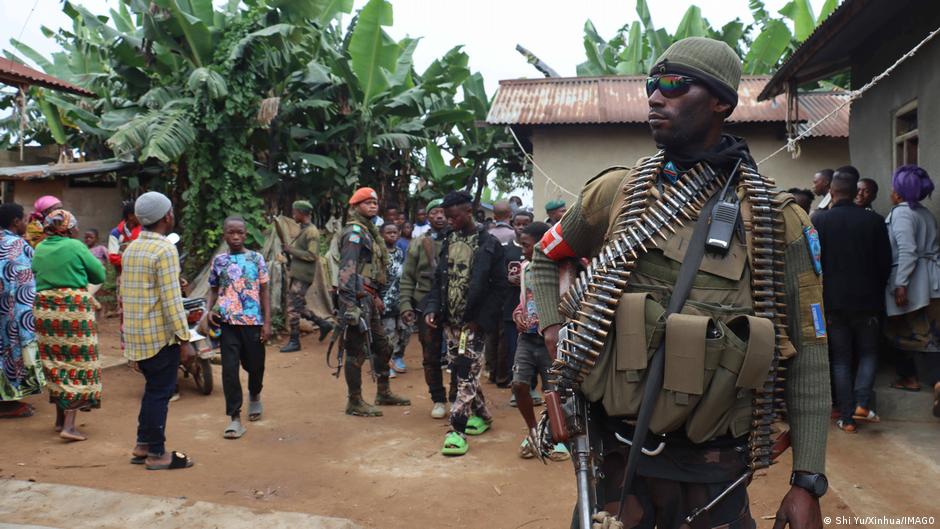
In a decisive move to safeguard military operations in the Democratic Republic of the Congo, authorities have implemented a strict ban on the use of smartphones by active-duty soldiers. This policy comes as a response to growing concerns over compromised missions and heightened risks to troop safety across the eastern regions of the country.
Military officials cite multiple incidents where unauthorized smartphone usage has exposed operational details to adversaries, including live locations, troop movements, and battlefield strategies. A mid-ranking officer from the FARDC, who requested anonymity, shared his perspective on the matter: “My phone is the only lifeline to my family while I’m deployed in Uvira or Fizi. Cutting off communication with them feels like a death sentence in itself. But I understand the risks—revealing my position, even accidentally, could cost lives.”
Security risks drive the crackdown
Lt. Col. Mak Hazukay, interim spokesperson for the FARDC, issued a formal statement warning soldiers against careless smartphone use. He emphasized that even a powered-on device can be tracked, allowing hostile forces to pinpoint and target military positions. The directive explicitly prohibits sharing any operational data—positions, movements, unit sizes, or mission footage—via social media or messaging platforms.
Kelvin Bwija, coordinator of the Socico civil society group in Uvira, welcomed the measure. “This isn’t just about following orders; it’s about preventing betrayal from within. Some soldiers have been caught leaking sensitive information to armed groups, jeopardizing entire operations.”
Balancing necessity and discipline
Human rights attorney Maître Aimé Bisimwa acknowledged the indispensability of mobile phones in daily life but stressed that military personnel must prioritize national security over personal convenience. “This isn’t a violation of communication rights—it’s a duty. Soldiers swear allegiance to serve, even if it means sacrifice. Their loyalty must extend beyond personal needs to the defense of the nation.”
Meanwhile, fierce clashes continue to rage in South Kivu’s Mwenga and Fizi territories. The conflict pits the FARDC-Wazalendo coalition, backed by Burundian forces, against the AFC/M23–Twirwaneho rebel alliance, reportedly supported by Rwanda—according to UN reports.