Algeria and Mali mend ties amid shifting Sahel dynamics
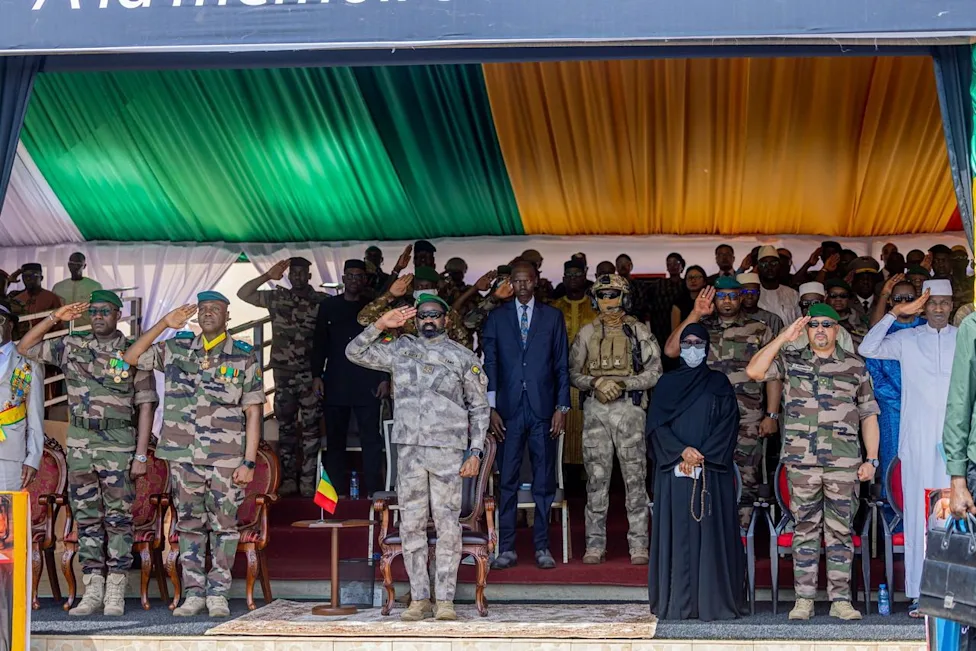
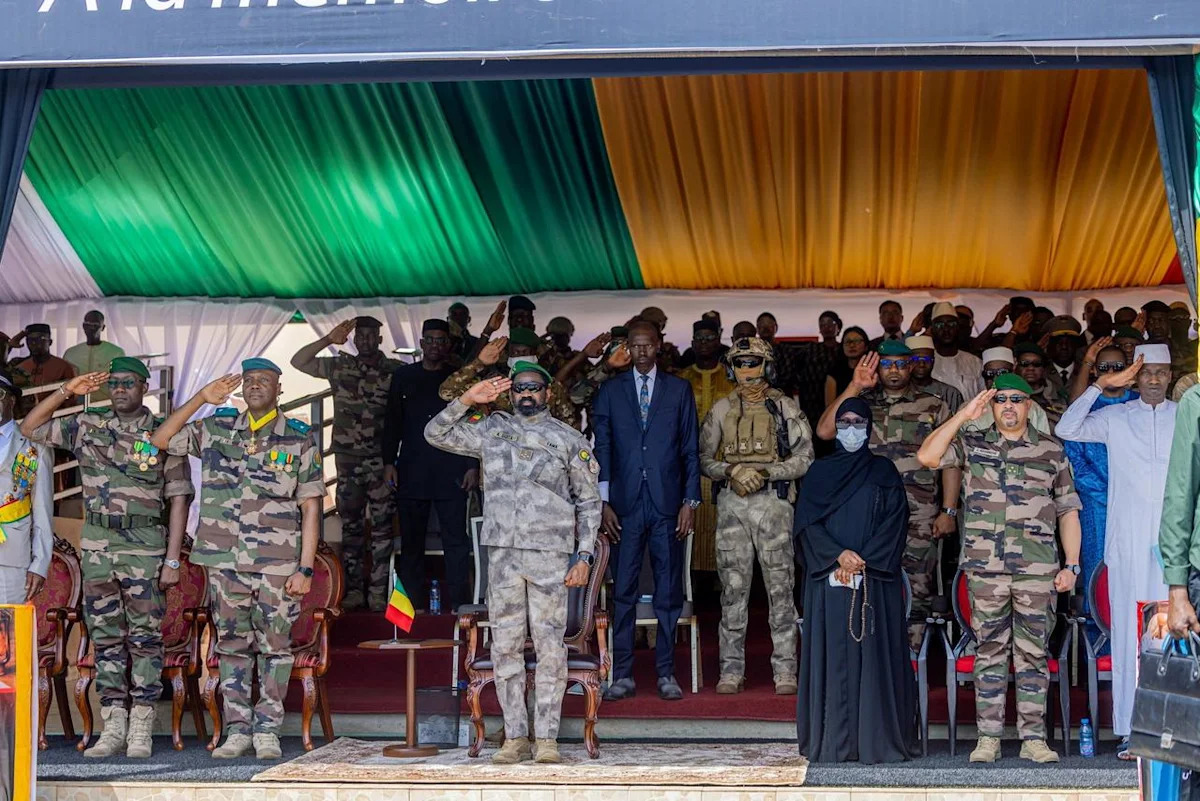
In February 2026, Bamako dismissed as ‘fabricated’ reports of its ambassador’s imminent return to Algiers. By July 10, the move was official, marking a rapid diplomatic shift. This reversal reflects the deteriorating security landscape in northern Mali, where the transitional government’s position has weakened significantly. Meanwhile, Algiers maintained an open dialogue with Niamey and Ouagadougou, reinforcing its regional influence.
On February 19, Mali’s foreign ministry issued a sharp denial, calling rumors of the ambassador’s return ‘completely false and baseless,’ accusing ‘ill-intentioned actors’ of spreading misinformation. The message was clear: Bamako refused to align with Niger, which had recently restored ties with Algeria. Yet just five months later, Mali reversed course.
On July 10, Bamako announced the return of its ambassador to Algiers and the reopening of its airspace to Algerian civilian and military flights. Algiers reciprocated by reopening its airspace to Mali, and by evening, both countries had officially restored diplomatic relations after over a year of frozen ties.
Northern Mali’s shifting power struggles
The catalyst for this thaw was the rapid changes in northern Mali, particularly in Kidal and Anéfis. Since the April 25, 2026, coordinated offensive, the region has entered a new phase. The Azawad Liberation Front (FLA), dominated by Tuareg factions, and the Group for the Support of Islam and Muslims (JNIM), linked to Al-Qaeda, set aside their differences to target a common adversary: Bamako’s junta and its Russian allies, the Africa Corps. The offensive claimed the life of Mali’s Defense Minister, Sadio Camara, and thrust Kidal back into the heart of the crisis.