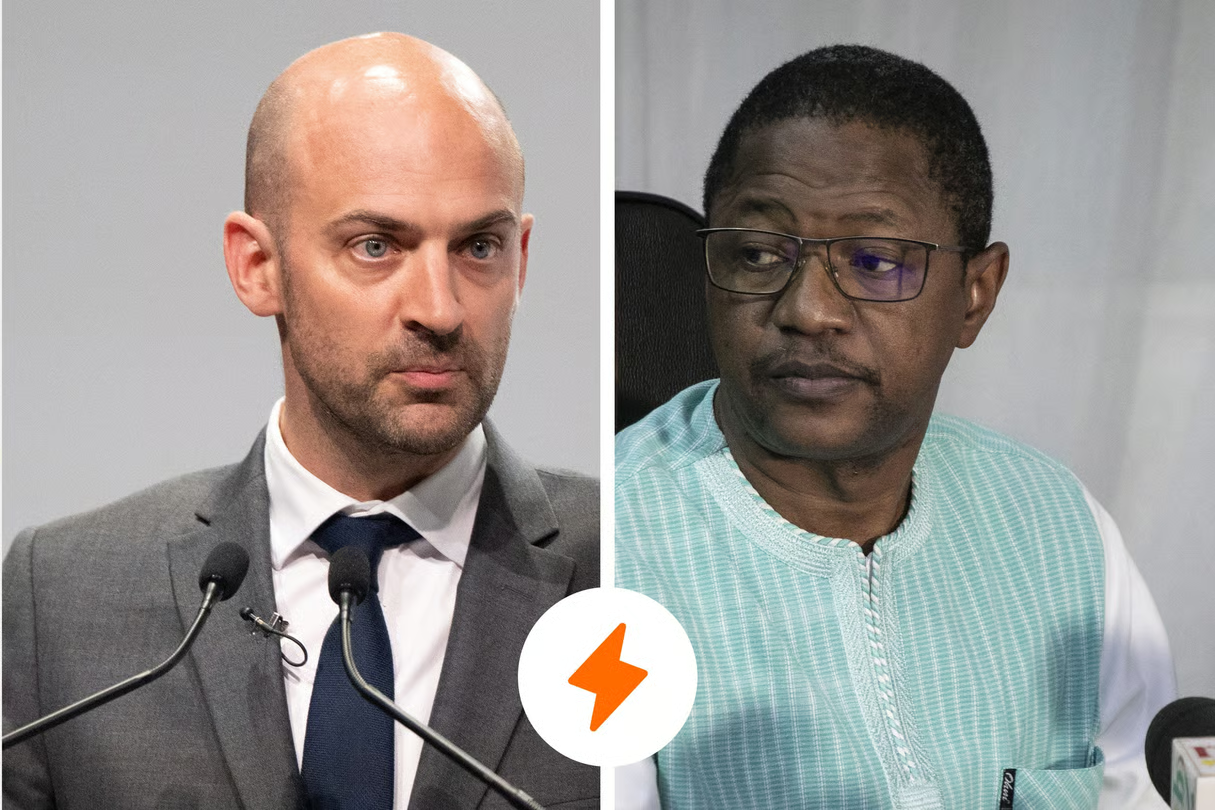
The latest chapter in the escalating tensions between Burkina Faso and France unfolded in a high-stakes meeting of foreign ministers. At the center of this diplomatic clash stood two key figures: Jean-Noël Barrot, representing France, and Karamoko Jean-Marie Traoré, Burkina Faso’s lead negotiator. Their face-to-face encounter underscored the growing rift between the two nations, as mutual expectations clashed over sovereignty, security cooperation, and historical ties.
What’s driving the Burkina Faso-France feud?
The breakdown in relations stems from a series of disputes that have simmered for months. Burkina Faso, under the leadership of Captain Ibrahim Traoré, has increasingly pushed back against perceived French interference in its internal affairs. Issues include the presence of French troops, controversial economic agreements, and what Ouagadougou views as a lack of respect for its sovereignty.
Meanwhile, France has defended its strategic interests in the Sahel region, citing security threats and the need for continued cooperation. The French government has also raised concerns about the direction of Burkina Faso’s governance and its alignment with international partners like Russia, which has become a key ally for the West African nation.
Key points of contention
- Military cooperation: Burkina Faso has accused France of overstaying its welcome with troops stationed on its soil, while France insists its presence is critical for counterterrorism efforts.
- Economic ties: Disputes over trade agreements and resource exploitation have added strain to the relationship, with Burkina Faso seeking more favorable terms.
- Geopolitical alignment: The growing partnership between Burkina Faso and Russia has further distanced the country from France, complicating diplomatic efforts.
- Sovereignty concerns: Ouagadougou’s demand for greater control over its policies and decisions has clashed with France’s historical influence in the region.
How the latest meeting unfolded
The encounter between Barrot and Traoré was marked by sharp exchanges and a refusal to compromise on core demands. Sources close to the negotiations described a tense atmosphere, with both sides holding firm on their positions.
France reiterated its commitment to supporting Burkina Faso’s security but emphasized the need for mutual respect and transparency in their partnership. Burkina Faso, however, made it clear that it would no longer tolerate external interference, signaling a potential shift in its foreign policy approach.
What’s next for Burkina Faso-France relations?
The outcome of this meeting leaves the future of Burkina Faso-France relations uncertain. With both sides dug into their positions, the potential for further escalation remains high. Burkina Faso’s pivot toward Russia and its membership in the Alliance of Sahel States suggest a long-term strategy to reduce reliance on Western powers.
For France, the challenge will be adapting to a rapidly changing geopolitical landscape in the Sahel, where traditional alliances are being reevaluated. The coming weeks will reveal whether diplomacy can bridge the divide or if the rift will deepen into a full-blown diplomatic crisis.