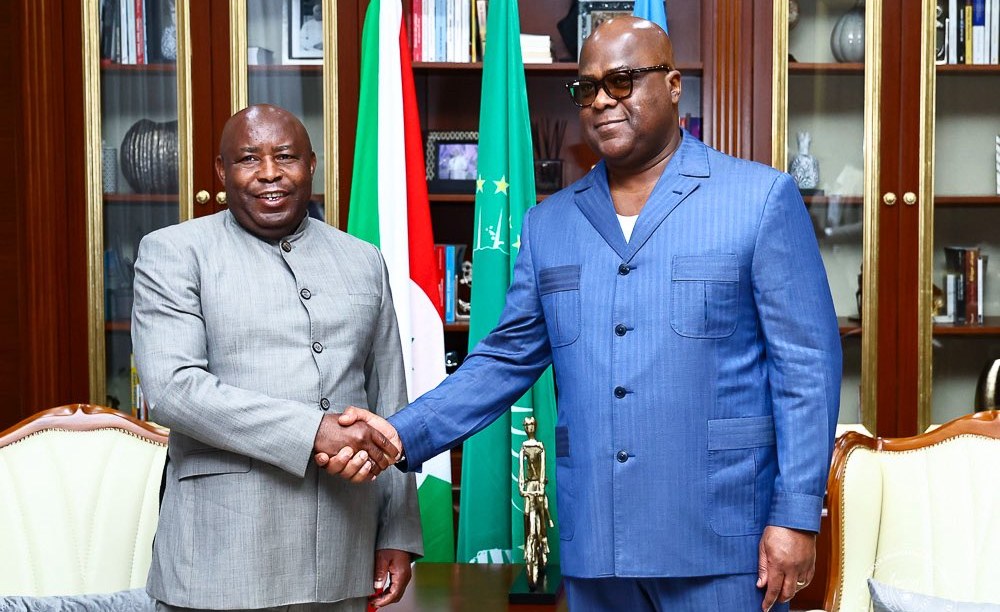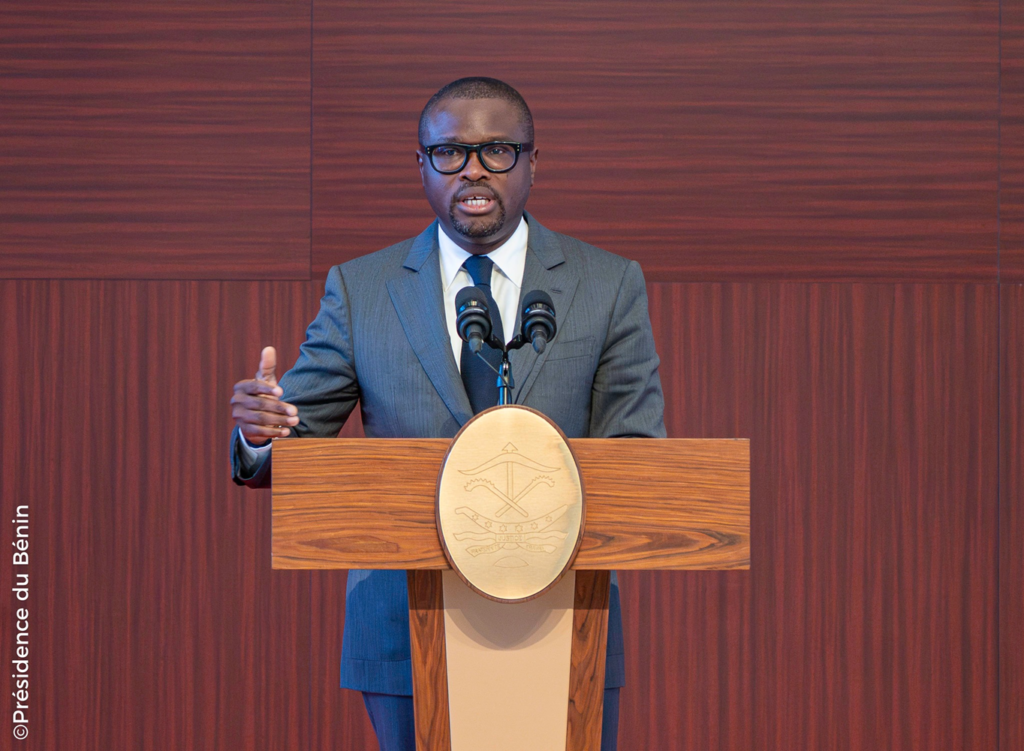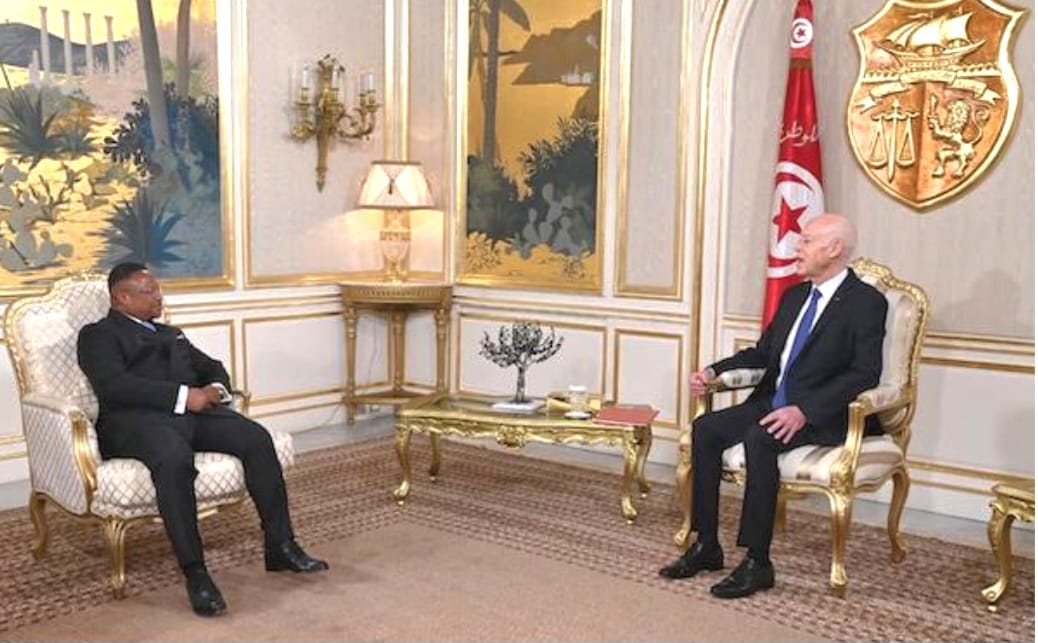
In a striking diplomatic escalation, Moscow has leveled serious allegations against Kyiv, accusing Ukraine of providing covert military support to the M23 rebel faction operating in the eastern provinces of the Democratic Republic of the Congo (DRC). The accusations were formally presented by Sergey Lavrov, Russia’s Foreign Minister, during a joint press conference with his Burundian counterpart Édouard Bizimana in Bujumbura on July 10, 2026.
Russia denounces foreign interference in Congolese crisis
Speaking before international media, Lavrov condemned what he described as blatant foreign interference in African affairs, particularly in the DRC. He emphasized that Kinshasa, with the backing of Bujumbura, is facing aggression from the M23 rebels, who are allegedly receiving external backing—including from Ukrainian sources.
« We are witnessing flagrant attempts to interfere in African affairs, especially in the Democratic Republic of the Congo. The legitimate authorities of this country, supported by Burundi, are currently confronting aggression by the so-called M23 group, which is backed by foreign actors—including Ukrainians. We are fully aware of this, and our Burundian friends are as well, » declared Sergey Lavrov.
According to the Russian diplomat, Ukraine’s alleged involvement is part of a broader strategy to undermine governments perceived as allies of Moscow across Africa, while simultaneously seeking to expand its own influence on the continent.
« Ukrainian actors are increasingly active in multiple African conflicts. They are supporting forces opposed to legitimate governments with the sole objective of positioning themselves as indispensable players on the continent and creating difficulties for countries friendly to Russia, » Lavrov stated.
Drones and mercenaries: escalating concerns over regional stability
The Russian Foreign Ministry’s allegations come amid growing international alarm over the use of armed drones in the DRC conflict, which has intensified civilian suffering. Anna Evstigneeva, Russia’s acting representative to the United Nations, raised these concerns during a UN Security Council session dedicated to the security situation in eastern DRC on June 26, 2026.
Evstigneeva highlighted the March 11 drone strike in Goma, which resulted in the death of a UNICEF staff member, as a stark example of the humanitarian toll. She also expressed deep concern over reports of foreign mercenaries—some with military experience in Ukraine—being deployed as drone operators or trainers in the conflict zone.
« We are particularly troubled by reports of foreign mercenaries, some of whom gained combat experience in Ukraine and are now serving as drone operators or instructors in this conflict, » she stated.
Diplomatic deadlock persists despite peace agreements
These accusations arrive at a time when diplomatic efforts to resolve the crisis remain stalled. Despite the Washington Agreement and ongoing mediation efforts—including talks in Doha under Qatari auspices and the Montreux meeting in Switzerland—no tangible progress has been made. Disagreements between Kinshasa and Kigali over the interpretation of the Washington Agreement continue to hinder its implementation.
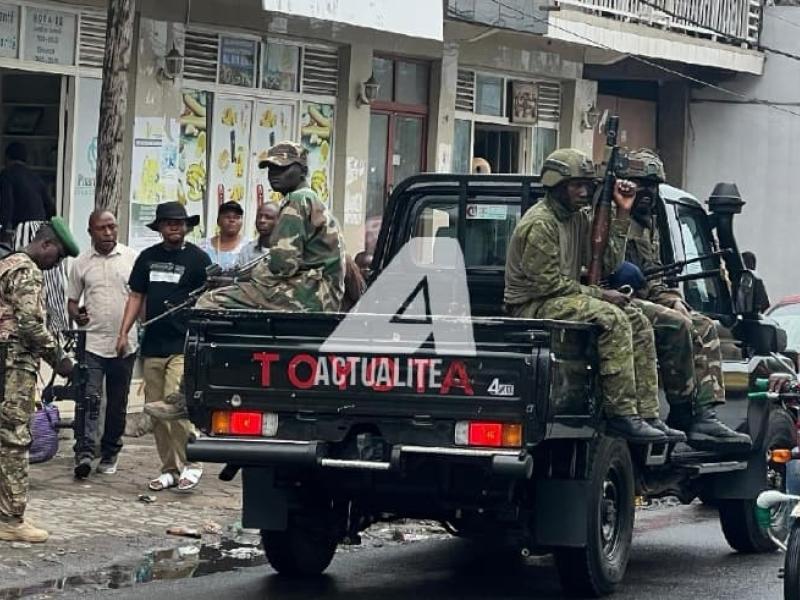
The M23 rebellion, which controls large swathes of North Kivu and South Kivu, has long been accused by the UN and DRC authorities of receiving military support from Rwanda. However, Moscow’s latest allegations introduce a new dimension to the conflict, suggesting that external actors beyond the Great Lakes region may be playing a role in sustaining the insurgency.
As diplomatic channels fail to yield results, the humanitarian and security crisis in eastern DRC deepens. Civilian populations remain caught in the crossfire, while regional and international actors struggle to reconcile their competing interests and broker a lasting peace.