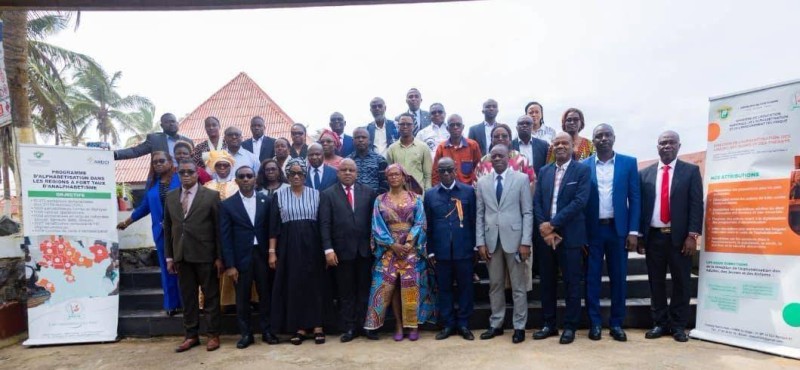
The Ivory Coast is taking a significant step forward in its educational reform agenda by prioritizing the integration of national languages into its school system. From July 10 to 12, 2026, a pivotal workshop in Grand-Bassam brought together education leaders, linguists, and development partners to review field research and validate the draft National Education Language Policy, chaired by Minister of National Education, Literacy, and Technical Training N’Guessan Koffi.
This three-day gathering served as a platform to refine a strategic framework aimed at enhancing the role of local languages in classrooms across the country. The initiative seeks to improve teaching quality while fostering inclusivity, ensuring that educational content resonates with the cultural and linguistic realities of Ivory Coast’s diverse communities.
a collaborative effort to reshape education
The workshop united key stakeholders from the education sector, including representatives from the Directorate of Adult Literacy and Non-Formal Education (DAAJE). Director Mah Louhan Mamadou highlighted the transformative potential of this policy, emphasizing how national languages can serve as bridges to better learning outcomes.
« Ivory Coast’s linguistic diversity is not just a cultural treasure—it is an invaluable educational resource, » Mah Louhan noted. « By embedding these languages into our educational framework, we can create more accessible and effective learning environments that empower every learner. »
In her address, Mabintou Diomandé Cherif, Inspector General and Secretary-General of the Inspectorate, underscored the broader challenges facing the nation’s education system. She pointed to the need for policies that address inequalities, promote inclusion, and prepare students for evolving economic and technological landscapes—challenges that national languages can help overcome.
« Languages are the foundation of effective communication and learning, » she stated. « A policy that embraces our linguistic heritage will make education more relatable and impactful for our youth. »
Participants engaged in robust discussions on curriculum adaptation, teacher training, and resource development, all aimed at ensuring the successful implementation of the policy. The workshop’s outcomes are expected to shape a finalized policy document that will guide the integration of national languages into Ivory Coast’s education system for years to come.
preserving culture while enhancing learning
The initiative reflects a growing recognition of the dual role languages play in both cultural preservation and educational progress. By leveraging local languages, Ivory Coast aims to reduce disparities in access to quality education and foster a sense of pride and identity among students.
Minister N’Guessan Koffi’s leadership in this effort signals a commitment to a more equitable and culturally responsive education system. The policy, once finalized, will pave the way for innovative teaching methods that align with the nation’s linguistic and cultural landscape.
The workshop’s success hinges on the collaboration between government agencies, educators, and development partners. As Ivory Coast moves forward, this policy could serve as a model for other nations seeking to harness their linguistic diversity for educational transformation.