Why war crimes in the Democratic Republic of Congo must not go unpunished
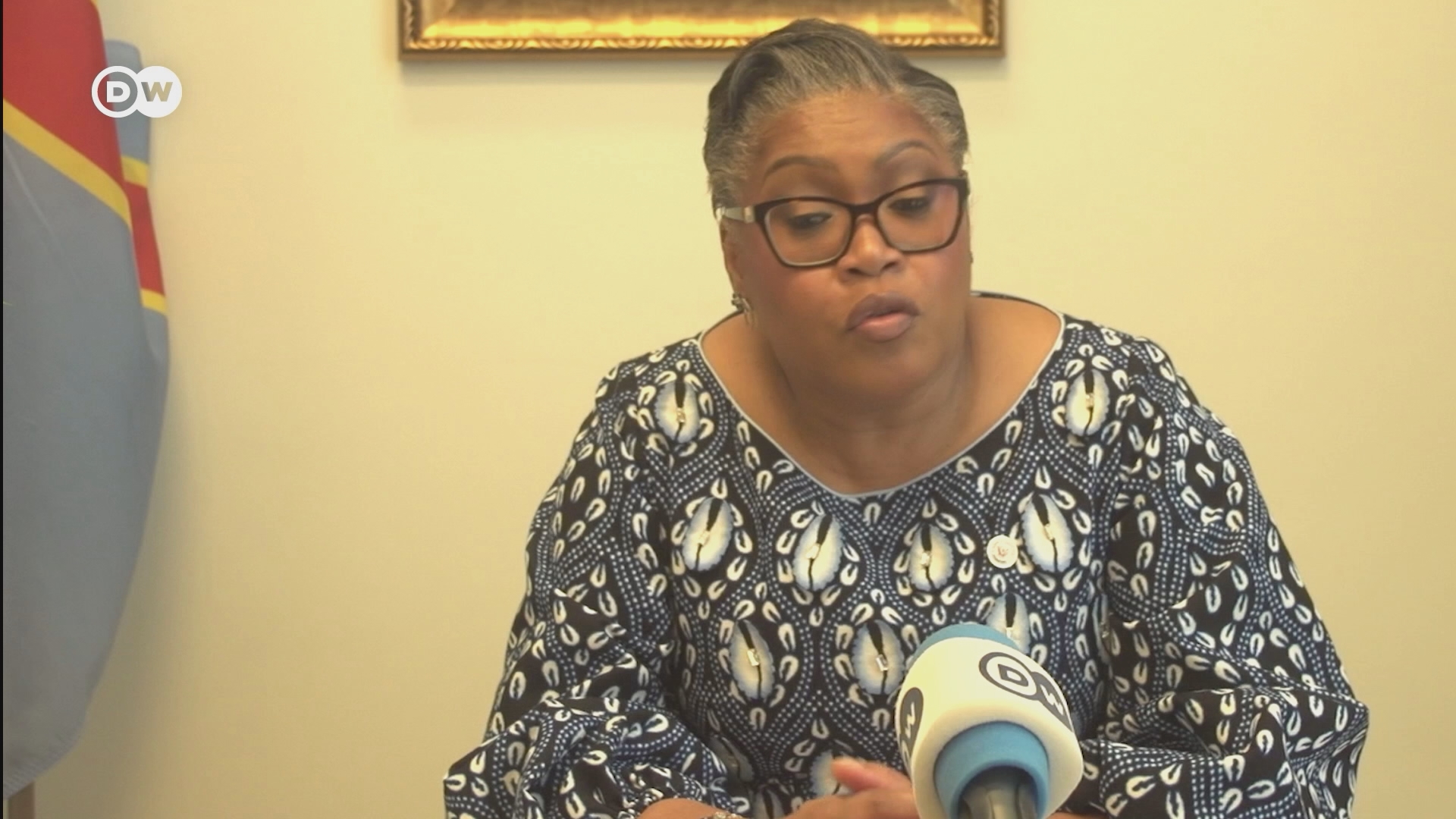
During a high-level mission to New York for the rotating presidency of the United Nations Security Council, Congolese Prime Minister Judith Suminwa outlined her country’s core priorities: safeguarding civilians, combating sexual violence as a weapon of war, and demanding justice for victims. Her remarks came against a backdrop of escalating instability and widespread humanitarian crises across the region.
Upholding democracy amid political tensions
With opposition groups preparing to protest proposed constitutional amendments, Suminwa struck a balanced tone. “The Democratic Republic of Congo is a democracy,” she stated, affirming that while protests are a legitimate right, they must remain within the bounds of the constitution and national law. Emphasizing national unity, she urged all citizens to uphold shared values and respect legal frameworks, rejecting any form of ambiguity in the exercise of democratic freedoms.
Shielding civilians in a conflict-ridden landscape
In addressing the UN, the Prime Minister called for a renewed focus on civilian protection—a cornerstone of international peacekeeping. She highlighted the urgent need to address the plight of vulnerable groups, especially women, children, and survivors of violence, who continue to bear the brunt of ongoing conflicts. For Suminwa, meaningful change requires more than symbolic resolutions; it demands concrete, on-the-ground implementation and accountability.
Sexual violence as a deliberate tactic of war
One of the most pressing issues raised was the systematic use of sexual violence in conflict zones. Suminwa labeled it a deliberate weapon of war, citing extensive documentation from global observers. She urged the Security Council to elevate this issue in peace processes, ensuring that victims are not only acknowledged but also protected and granted full access to justice. “No perpetrator should walk free,” she declared, stressing the importance of competent legal systems capable of delivering fair and effective justice.
Ebola response and broader humanitarian challenges
Beyond security concerns, Suminwa addressed the ongoing Ebola crisis, noting a substantial international pledge of nearly one billion dollars in support. The Democratic Republic of Congo has contributed 50 million dollars of its own, with funds already allocated to research and health interventions, coordinated by the Institut National de Recherche Biomédicale (INRB). However, she warned that financial commitments must translate into tangible action to prevent the outbreak from deepening into a full-blown humanitarian emergency, particularly for marginalized communities.
Her message was clear: peace, justice, and health security are inseparable. Without accountability for war crimes and sustained protection for civilians, the Democratic Republic of Congo’s path to stability remains uncertain.