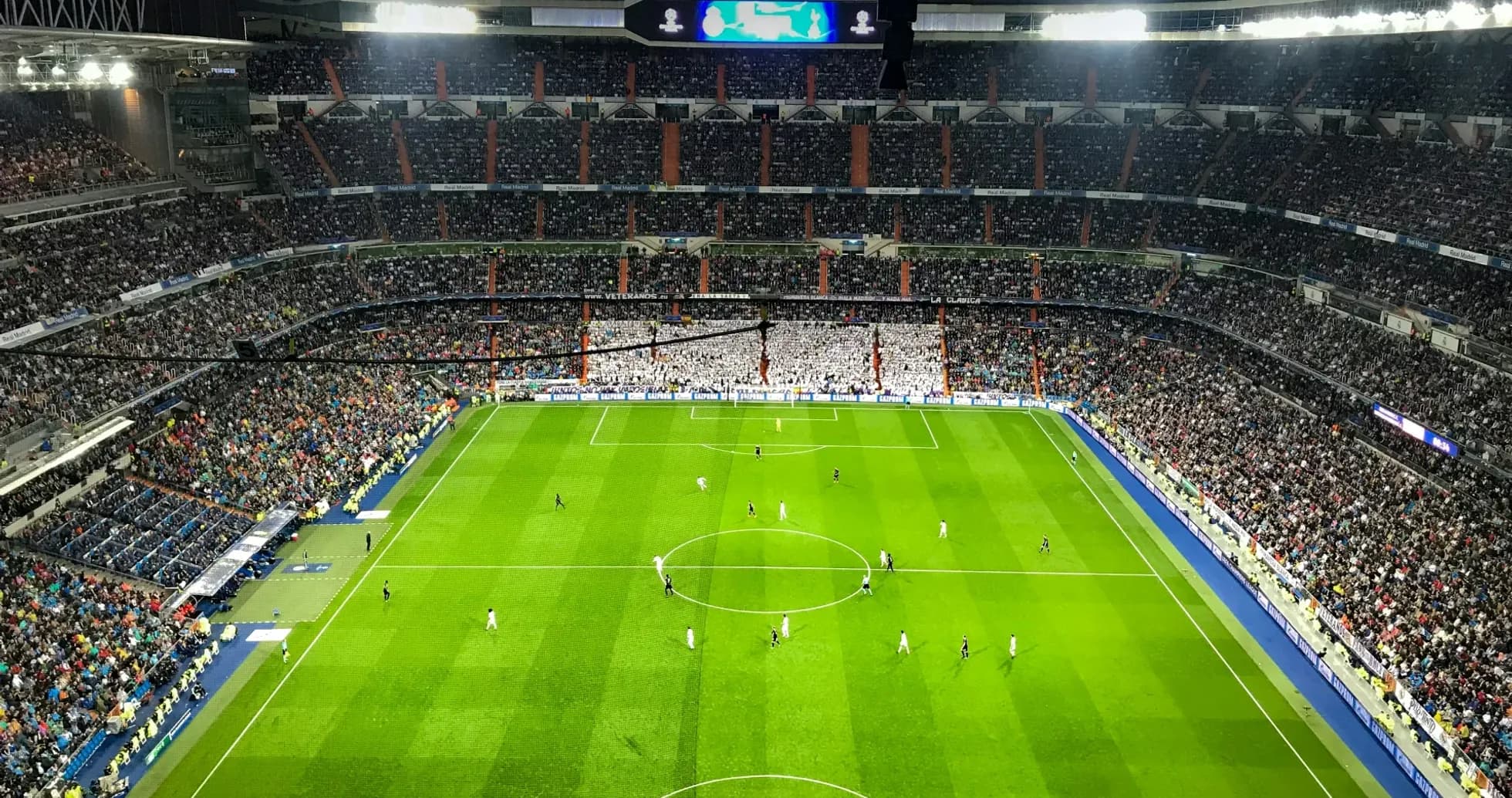
Kauno Žalgiris faces Dinamo Zagreb in crucial UEFA Champions League return
The second leg of the third qualifying round in the UEFA Champions League at Kaunas stadium pitches Kauno Žalgiris against Dinamo Zagreb. Following the 5-0 defeat in the first leg, the Lithuanian side faces a daunting task—not to overturn the tie, but to salvage its European campaign’s reputation while Dinamo Zagreb eyes a professional approach to secure its passage into the next round.
Quick bonus for readers: Put your sports knowledge to the test! Use the promo code PINBET2026 on Pin-Up when placing a bet. The rules are simple: place 1 bet = get 1 Free Bet (up to $10). Don’t miss the chance to boost your bankroll for the next match! 🎁 Claim your free bet now
Tactical recap of direct confrontations
Before this return match, the two teams had faced each other only once—on August 4, 2026, at Stadion Maksimir in Zagreb during the same UEFA Champions League third qualifying round. Dinamo Zagreb dominated from the start, winning 5-0 against Kauno Žalgiris at home, already leading 2-0 at halftime. The scoreline highlighted a clear disparity in level and efficiency, with Dinamo controlling the game on both ends of the pitch while Kauno Žalgiris struggled defensively and failed to create scoring chances.
Season overview
- Current phase performance: Kauno Žalgiris has scored 5 goals and conceded 8 across 5 UEFA Champions League qualifiers in 2026, with 2 wins, 2 draws, and 1 loss. Dinamo Zagreb, in contrast, has played 3 matches, scoring 9 goals and conceding 3, boasting 2 wins and 1 draw without a single defeat.
- Season indicators: Kauno Žalgiris averages 1.0 goal scored and 1.6 conceded per game, with 2 clean sheets but also 2 scoreless matches, predominantly using a 4-1-4-1 formation (4 appearances). Dinamo Zagreb averages 3.0 goals scored and 1.0 conceded, capable of inflicting heavy defeats (5-0 at home) while maintaining solidity. The Croatian side has already deployed three different formations (4-2-3-1, 4-1-4-1, 4-3-3), reflecting tactical flexibility.
- Form trajectory: Kauno Žalgiris shows mixed form with a DWDWL sequence—capable of earning points but recently suffering a heavy loss that could weigh mentally. Dinamo Zagreb remains unbeaten with a DWW streak, indicating progressive improvement and heightened confidence ahead of the trip to Lithuania.
Tactical efficiency
The current campaign’s statistics reveal structural imbalances. Kauno Žalgiris concedes more goals on average (1.6 per match) than it scores (1.0), particularly struggling away (7 goals conceded in 3 matches) and going scoreless in two games. Their 4-1-4-1 setup aims to strengthen the midfield, but the 5-0 loss in Zagreb exposed its inability to contain an attack of Dinamo Zagreb’s caliber.
Dinamo Zagreb, on the other hand, boasts an exceptionally potent attack: 9 goals in 3 matches, 8 at home, and none without scoring. While their defensive metrics (1 goal conceded per match) aren’t flawless, they remain manageable relative to their offensive output. Dinamo’s ability to switch between systems (4-2-3-1, 4-1-4-1, 4-3-3) allows it to balance control and projection, likely translating in Kaunas to cautious but threatening transitions. Given this context, Croatian offensive efficiency and Lithuanian defensive fragility suggest Dinamo’s dominance remains overwhelming, even on the road.
Season impact verdict
For Kauno Žalgiris, this return match carries symbolic and strategic significance for the rest of 2026: the realistic aim is to minimize damage, regain defensive solidity at home, and ideally secure a positive result to serve as a benchmark for future European campaigns and national competitions. Another heavy defeat would severely undermine the club’s credibility and complicate its appeal.
For Dinamo Zagreb, qualification is already highly likely after the 5-0 first-leg win. A professional performance in Kaunas, even without flair, would validate progression to the next round and reinforce the club’s reputation as a regular in UEFA Champions League qualifiers. A well-managed approach would also allow squad rotation, reduce physical strain, and prepare optimally for subsequent rounds, where competition intensity will rise sharply. Ultimately, the result will confirm—or deny—Dinamo’s ability to sustain its favorite status throughout the 2026 European campaign.
Related Posts
Ivorian dailies highlight presidential homage, major oil investment, and party anniversary preparations
Abidjan, May 26, 2026 – National headlines across Côte d’Ivoire on Tuesday, May 26, 2026, prominently featured a range of pressing issues. Key among these […]

Gold smuggling from Cameroon to dubai uncovered
Exclusive investigation How Cameroon’s gold wealth vanishes to Dubai In Cameroon’s East and Adamawa regions, a gold rush is underway with mining sites proliferating beyond […]
Lens vs PSG live: where to watch Ligue 1 match and kick-off time
The most anticipated showdown of the season is here. RC Lens, currently second in Ligue 1, welcomes Paris Saint-Germain, the undisputed leader, on Wednesday, May […]