Laurent Gbagbo retains leadership of Côte d’Ivoire’s opposition party
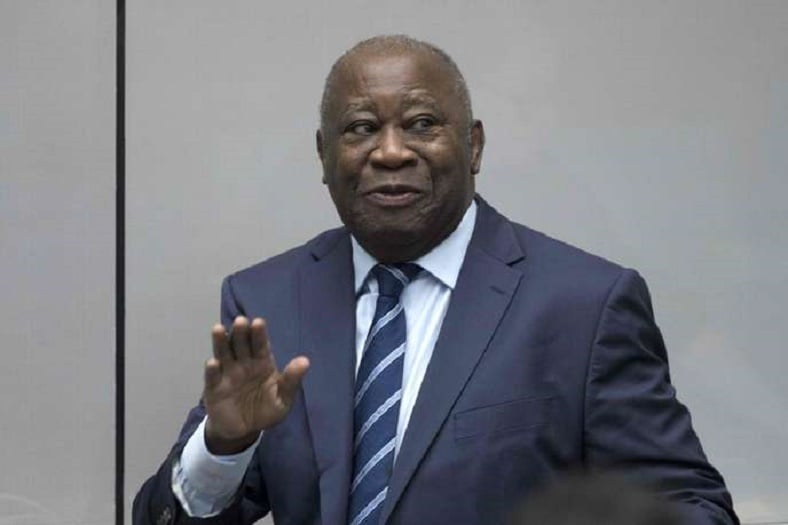
In a decisive moment for Côte d’Ivoire’s political landscape, former President Laurent Gbagbo has been re-elected as leader of the Parti des peuples africains – Côte d’Ivoire (PPA-CI) during the party’s first ordinary congress. Despite earlier indications of stepping back from the political arena, Gbagbo’s influence remains unshaken, drawing fervent support from his base even as the party faces significant challenges following multiple electoral boycotts.
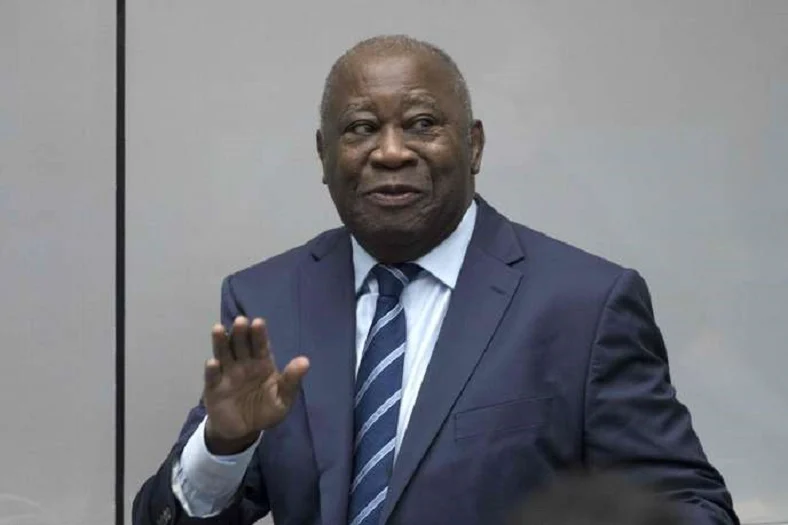
At nearly 81 years old, Gbagbo—who served as President from 2000 to 2011—was confirmed as party leader on Friday, a decision met with enthusiastic applause from thousands of delegates gathered at the Palais des Congrès de Treichville in Abidjan. His re-election came just days after he had publicly stated in late 2025 his intention to withdraw from political roles entirely.
Electoral setbacks and party fragmentation
The PPA-CI, once a dominant force in Ivorian politics, has struggled in recent years. Its decision not to field or endorse a candidate in the October 2025 presidential election—won by incumbent Alassane Ouattara—stemmed from Gbagbo’s ineligibility due to a prior criminal conviction. The party further compounded its challenges by boycotting the December legislative elections, leaving it without parliamentary representation and a diminished presence at the local level, with only a handful of mayors remaining.
A shifting political alliance
During the congress, delegates also approved a motion of support for the Alliance des États du Sahel (AES), a coalition comprising Burkina Faso, Mali, and Niger—nations led by anti-Western military juntas with strained relations with Abidjan. The move was met with strong approval from the assembly.
Meanwhile, disciplinary actions were taken against party members who defied internal directives. Ahoua Don Mello, who ran against party advice in the 2025 presidential race, was expelled, while Stéphane Kipré, who participated in the legislative elections as an independent and won, received an 18-month suspension.
Fragmentation within the opposition
The once-unified