Diplomatic tour turns into new battleground between Moscow and Kiev
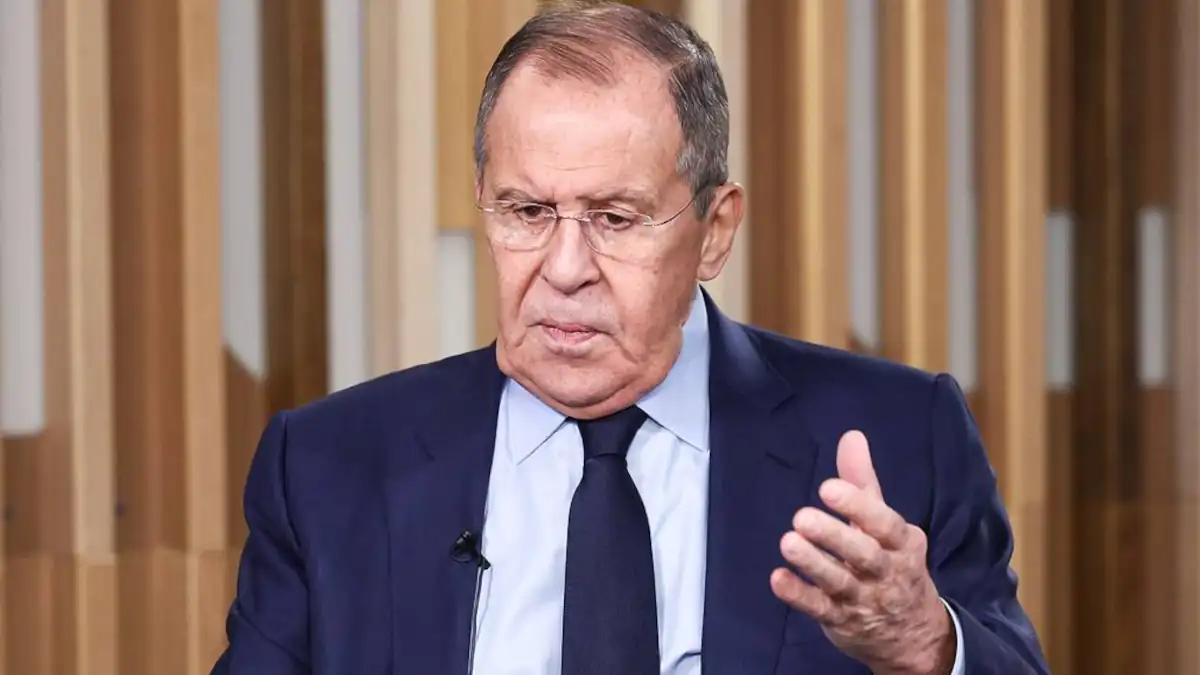
An official visit to Burundi by Russian Foreign Minister Sergey Lavrov on July 10 escalated into a fresh rhetorical clash with Ukraine. During a joint press conference with Burundian counterpart Édouard Bizimana in Bujumbura, Lavrov alleged that Ukrainian nationals were providing support to the M23 rebel group in eastern Democratic Republic of Congo, alongside Congolese and Burundian forces. The Ukrainian government swiftly denied the claim the following day.
Unsubstantiated claims made in Bujumbura
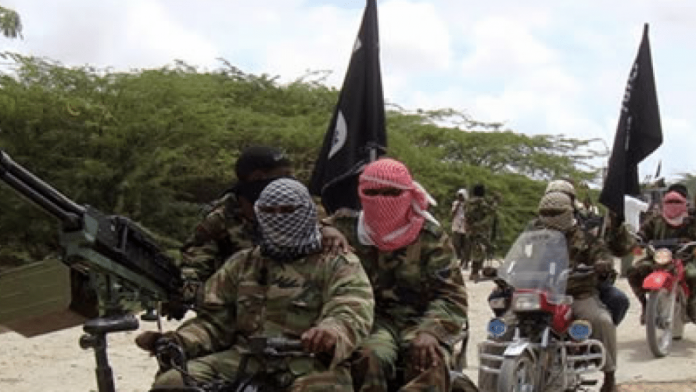
Lavrov’s remarks came after meetings with Burundian President Évariste Ndayishimiye, who currently holds the rotating presidency of the African Union. He suggested that foreign backers—including Ukrainians—were fueling the M23’s military campaign, though he provided no evidence to support the accusation. The M23, designated a terrorist organization by the United Nations, has seized large parts of North and South Kivu provinces since capturing Goma in January 2025. Multiple United Nations expert reports have documented its supply lines originating from Rwanda’s defense forces.
Ukraine’s Foreign Ministry spokesperson, Heorhii Tykhyi, dismissed Lavrov’s remarks as baseless disinformation. In a counter-accusation, he claimed Moscow was secretly arming armed factions in violation of international sanctions and recruiting fighters from African nations to fight in Ukraine. Tykhyi further alleged that Russia aimed to undermine U.S.-led mediation efforts in the Great Lakes region.
Mali precedent casts doubt on Kiev’s credibility
In late July 2024, a convoy of Russian Wagner mercenaries and Malian soldiers was ambushed by Tuareg rebels and the Support Group for Islam and Muslims (JNIM) in northern Mali. Rebel spokesmen claimed heavy casualties on both sides. Days later, Ukraine’s military intelligence spokesperson, Andriï Yusov, stated in an official broadcast that his agency had provided the attackers with “all necessary intelligence.” Kiev later retracted the claim without addressing concerns raised by Bamako and Niamey. The fallout led Mali, Niger, and Burkina Faso to sever diplomatic ties with Ukraine by August 2024. Bamako has since escalated the matter before the United Nations Security Council.
Similar pattern emerges in Sudan
The ongoing civil conflict in Sudan, pitting the national army against the Rapid Support Forces (RSF), has seen comparable allegations. From late 2023, multiple outlets reported rumors of a specialized Ukrainian GUR unit named “Timur,” though Kiev neither confirmed nor denied its existence. In January 2024, unverified footage emerged showing drone strikes purportedly targeting Russian mercenaries and allied militias. By October 2025, Sudanese authorities claimed to have killed foreign fighters, including Colombians and Ukrainians, fighting alongside the RSF in El Fasher.
These incidents undermine Ukraine’s denial regarding Congo. In Mali, an official spokesman initially claimed responsibility before backtracking. In Sudan, ambiguity persists without resolution. For the M23 dossier, no Ukrainian source—official or otherwise—has substantiated Lavrov’s allegations. The Congo case remains unverified at this stage, as Lavrov continues his African tour ahead of the third Russia-Africa Summit scheduled for October 28–29 in Moscow.