In Mali, the transitional authorities remain steadfast in their commitment to neutralize armed groups. The April 25 coordinated assaults by al-Qaeda-linked jihadists from Jnim and separatist rebels from the FLA marked a turning point, resulting in the tragic loss of Defense Minister General Sadio Camara and the fall of Kidal. Since then, Jnim has imposed a blockade on Bamako and intensified its attacks. Despite these challenges, Mali’s military forces and their Russian partners in the Africa Corps continue operations with unwavering resolve.
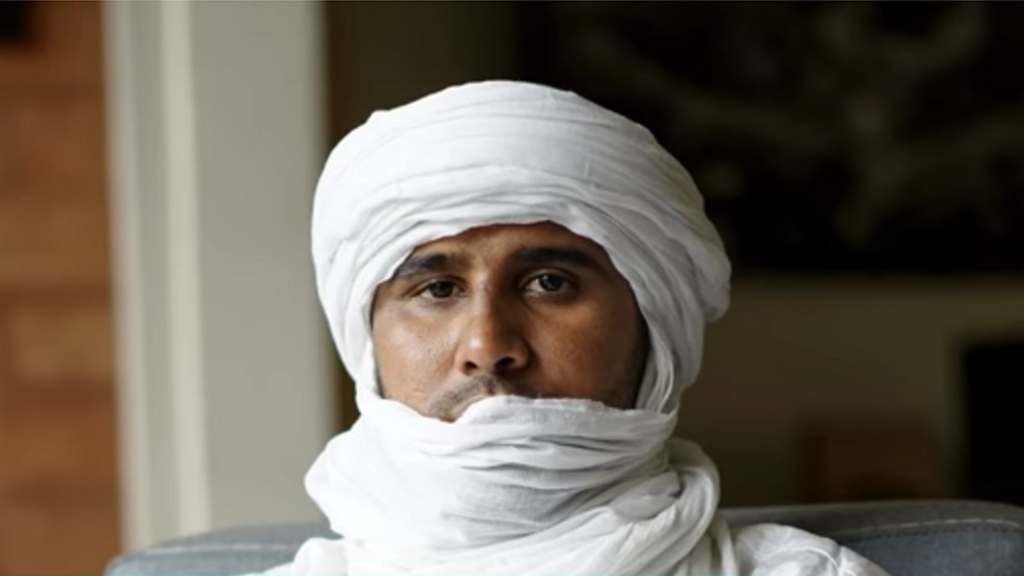
Mali’s resilience under Assimi Goïta’s leadership
Q: Since the April 25 attacks, opponents argue the transitional government is weakened, while supporters urge unity. Do you believe Assimi Goïta is still the leader Mali needs?
Moussa Ag Acharatoumane: Absolutely. Assimi Goïta remains the leader Mali requires. He continues to govern the country effectively. It’s important to emphasize that despite the April 25 assaults, Mali stands firm as a sovereign nation actively countering terrorism. Our defense and security forces have repelled these attacks, despite their complexity and the involvement of internal and external accomplices. Today, our army is more united than ever, with coordinated command and high morale. Operations are ongoing nationwide.
Q: Attacks persist, Bamako faces a blockade, yet the regime remains resilient. How would you describe its current strength?
The regime is strong—and I’ll go further: it’s the Malian people who are strong today. Malians trust their army, their government, and their country. This unity is Mali’s greatest asset in the face of adversity.
Analyzing the Jnim-FLA alliance: a strategic misstep?
Q: What’s your take on the alliance between Jnim’s al-Qaeda-linked jihadists and the FLA’s separatists?
Everyone knows al-Qaeda’s reputation. Those who chose to ally with it failed to learn from history. In 2012, a similar attempt unfolded, with devastating consequences witnessed by the world. While some may have been victims of al-Qaeda’s brutality—including families of its leaders—the organization’s violent legacy endures. Al-Qaeda was also responsible for the 2013 murders of RFI journalists Ghislain Dupont and Claude Verlon in Kidal, a crime later claimed by al-Qaeda in the Islamic Maghreb, whose key figures now lead Jnim.
This alliance is a grave error. Our brothers must recognize their mistake and sever ties with al-Qaeda. They should follow the example of groups like the MSA and Gatia, which have allied with the Malian army to combat international terrorism.
Q: FLA leaders claim this is merely a military pact against a common enemy—the Malian army and Africa Corps—with no broader shared agenda.
Consider the facts: al-Qaeda’s international branch has publicly endorsed its alliance with the FLA. Iyad Ag Ghali, Jnim’s leader, personally coordinated operations in Kidal alongside Alghabass Ag Intallah, a senior FLA figure. Their public displays in Kidal, featuring black flags and extremist slogans, reveal their true intentions. Our brothers are misguided. They were deceived in 2012, and the same actors are exploiting them again in 2026.
Future operations in Kidal: what’s next?
Q: Jnim and the FLA now control Kidal and Tessalit, while the Malian army and Russia’s Africa Corps hold Aguelhoc and Anéfis. Should we expect a counteroffensive in Kidal?
Our defense and security forces are reorganizing and actively present in Kidal. They are determined to reclaim every inch of Malian territory and will not yield to terrorists. The fight continues across the nation.
Q: General El Hadj Ag Gamou, appointed Kidal’s governor in 2023 and a figure you know well, is reportedly in Gao. Is this true? Could he play a role in the Kidal counteroffensive?
General El Hadj Ag Gamou is in excellent health and high spirits. As governor of Kidal, his focus is on regional administration and stability. The military’s counteroffensive and operations are led by the army. He is fully operational and facing no issues.
Security in Ménaka: progress amid ongoing threats
Q: In your region of Ménaka, the Malian army and Africa Corps repelled ISIS offensives in late April. How has life returned for residents?
Today, Ménaka is under control. Civil administration has resumed, normal life has returned, and security forces conduct regular patrols. However, the threat persists. We remain vigilant, as we are at war with one of the world’s most dangerous terrorist organizations. But for now, the situation is calm.
No negotiations with terrorists: Mali’s unyielding stance
Q: Some opposition figures, like Imam Dicko’s CFR coalition, advocate dialogue with Jnim and the FLA—a position echoed in past national consultations. The current government rejects this. Are you open to negotiations?
There can be no dialogue with groups whose sole objective is to destroy our nation. The Malian state’s duty is to protect its people and territory. Negotiations are impossible under current conditions. However, if these groups abandon violence and renounce their destructive goals, there may be a path forward. But not as long as they remain committed to terror.