mass protest in DRC against constitutional changes under Félix Tshisékédi
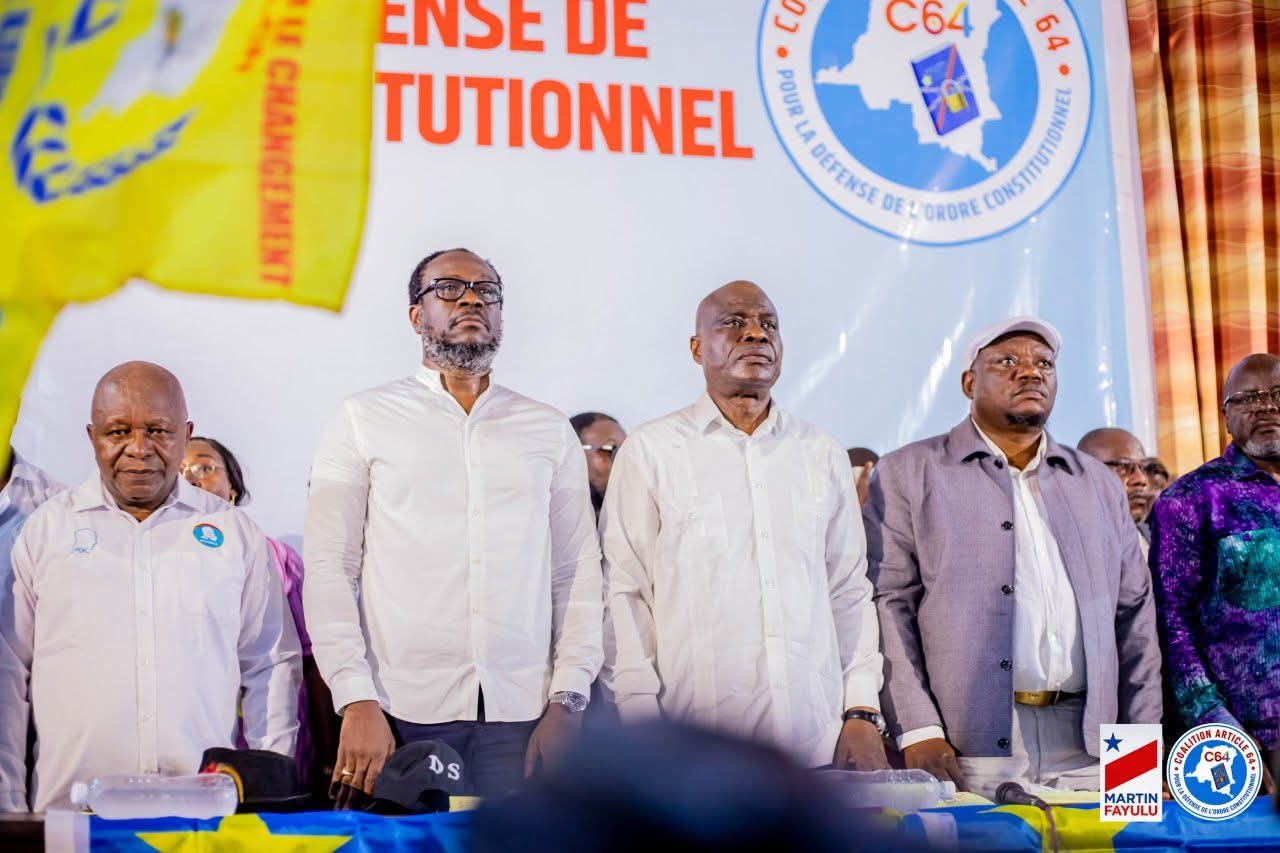
The push to amend the Democratic Republic of the Congo’s constitution has sparked fierce resistance, with critics accusing President Félix Tshisékédi of attempting to cling to power. On June 3, a coalition of opposition figures and civil society groups, known as the C 64, called for a nationwide ‘ghost town’ protest to reject the president’s ambition for a third term. The turnout exceeded expectations, with Kinshasa—a city usually bustling with activity—grinding to a near halt as shops shuttered and streets emptied.
Constitutional reform in DRC hinges on shifting power dynamics
Buoyed by the protest’s success, opposition leaders are vowing to escalate pressure until Félix Tshisékédi abandons his third-term bid. Yet the president shows no signs of yielding. Having bypassed constitutional term limits by pursuing a referendum route, he appears determined to press forward, a tactic familiar across the continent where leaders often manipulate processes to legitimize extended rule. The move echoes past controversies, including former President Joseph Kabila’s failed 2018 bid for an additional term—a push that collapsed under public backlash.
In a counter-move, government-aligned factions are mobilizing support. Religious figures supportive of the constitutional changes have announced a June 5 rally to back the president, setting the stage for a direct clash of political wills. The outcome of the reform effort now rests on which side can dominate the streets—pro-government forces or the opposition coalition. History suggests the president may prevail unless dissent gains unstoppable momentum.
Prioritizing ambition over crisis management
Félix Tshisékédi’s third-term push comes at a perilous moment for the DRC. The country faces existential threats: an unrelenting security crisis in the east, where armed groups operate with impunity, a lingering Ebola outbreak, and deepening socioeconomic instability. Critics argue the president’s preoccupation with staying in power distracts from urgent national challenges. Earlier calls for an inclusive dialogue to address these crises have gone unanswered, leaving many to question whether Tshisékédi believes he holds an unassailable advantage—or if he is simply repeating the mistakes of predecessors who learned too late the cost of overreach.