As diplomatic efforts to resolve the long-standing Western Sahara dispute continue to stall, the Kingdom of Morocco is making significant strides in advancing its domestic agenda. The government in Rabat has intensified its focus on internal reforms, particularly the implementation of a new regionalisation plan designed to decentralise governance and empower local authorities.

Regionalisation drives Morocco’s domestic priorities forward
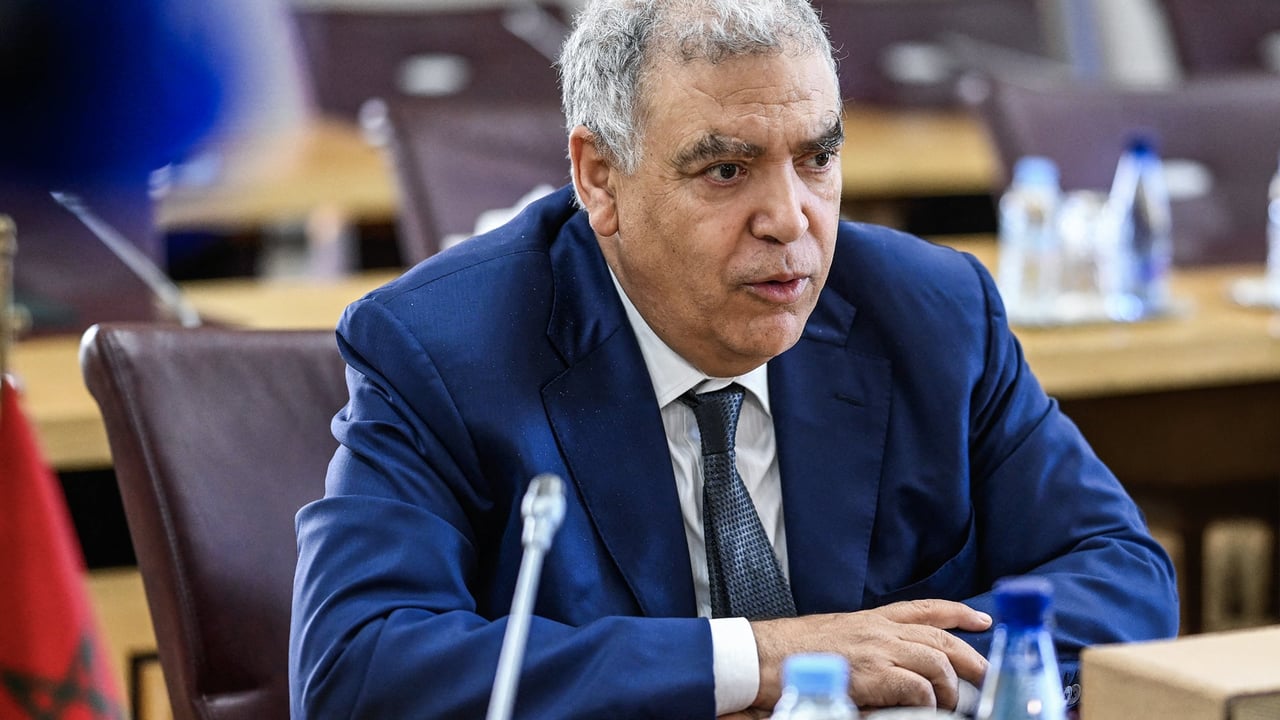
The Moroccan government, led by Interior Minister Abdelouafi Laftit, has been spearheading efforts to modernise the country’s administrative structure. The proposed regionalisation law aims to grant greater autonomy to local governments while maintaining national cohesion. This initiative seeks to address historical disparities between urban and rural areas while fostering economic growth through targeted regional development.
Speaking at a recent government meeting, Laftit emphasised the importance of equitable resource distribution: “Decentralisation is not just about administrative reform; it is about unlocking the potential of every region to contribute to the nation’s prosperity.” The law, currently under parliamentary review, is expected to pass by the end of the year, marking a pivotal moment in Morocco’s political and economic landscape.
Western Sahara remains a diplomatic stumbling block
Despite Morocco’s internal progress, the unresolved status of Western Sahara continues to cast a shadow over its regional ambitions. The territory, recognised by the United Nations as a non-self-governing territory, remains a contentious issue between Morocco and the Polisario Front, which advocates for Sahrawi self-determination. International mediation efforts have failed to yield a breakthrough, leaving the conflict frozen in a cycle of stalled negotiations.
The stalemate has prompted Morocco to adopt a dual strategy: advancing its domestic agenda while maintaining its position on Western Sahara. Analysts suggest that the regionalisation plan could serve as a demonstration of Morocco’s commitment to stability and development in the Sahara region, potentially strengthening its diplomatic leverage.
Economic implications for Morocco and the region
The success of Morocco’s regionalisation initiative could have far-reaching economic implications. By empowering local authorities, the government hopes to stimulate investment in underserved areas, reduce unemployment, and enhance infrastructure. This, in turn, could position Morocco as an economic leader in North Africa, attracting foreign capital and boosting intra-regional trade.
However, the unresolved Western Sahara issue remains a delicate balancing act. While Morocco seeks to project an image of progress, the lack of a definitive resolution to the conflict could deter potential investors wary of regional instability. The government’s ability to navigate these parallel challenges will determine its long-term success on both the domestic and international fronts.