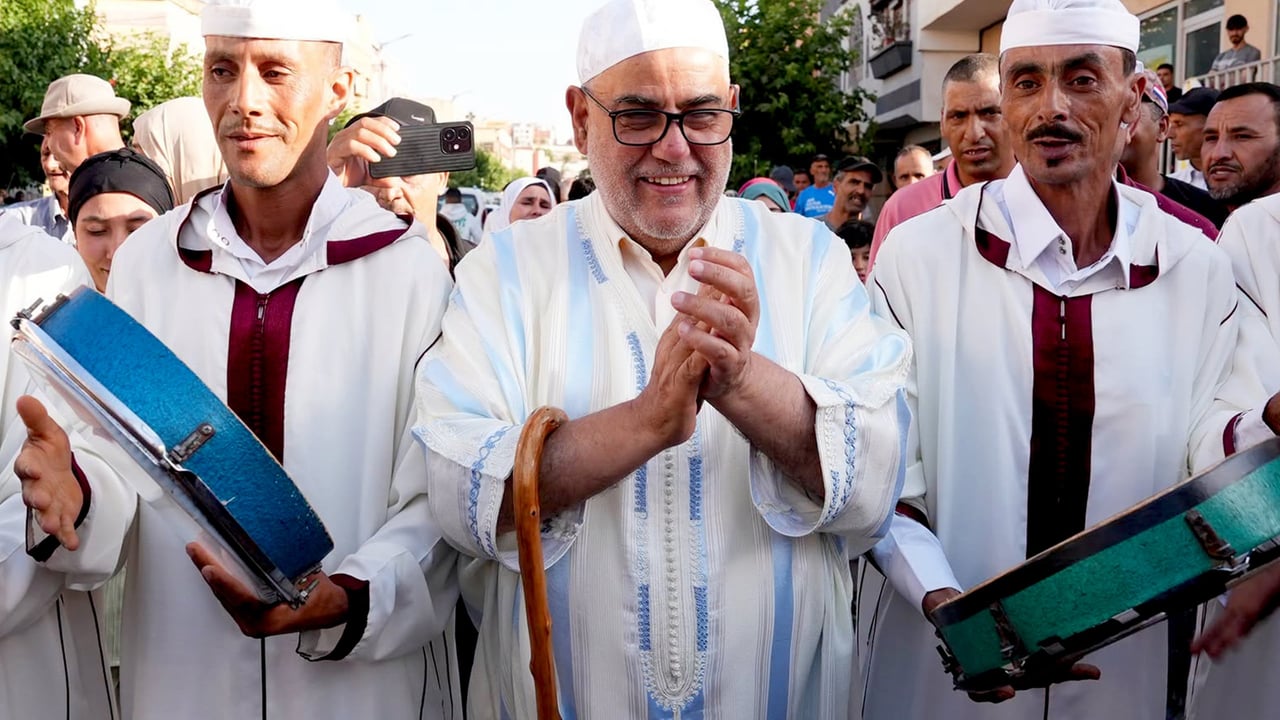

In the ever-shifting political terrain of Morocco, few figures have demonstrated as much adaptability as Abdelilah Benkirane, the seasoned leader of the Party of Justice and Development (PJD). From traditional conservatives to the digital-native Generation Z, his party’s outreach strategy has evolved into a multi-generational campaign, reshaping the political dialogue across the kingdom.
From ideological roots to modern outreach
The PJD, once firmly rooted in conservative values, has undergone a remarkable transformation under Benkirane’s guidance. No longer confined to its original base, the party now deploys a diverse array of tactics to engage voters of all ages. This shift reflects a broader trend in Moroccan politics, where traditional party structures are being redefined to resonate with today’s electorate.
Benkirane’s approach blends grassroots mobilization with digital engagement, creating a hybrid campaign model that leverages both offline and online platforms. Speeches brimming with religious references for older demographics now coexist with social media campaigns tailored for younger audiences, showcasing the party’s ability to pivot without losing its core identity.
Engaging the next generation of voters
The integration of Generation Z into the PJD’s strategy marks a significant departure from past practices. While skepticism persists about the party’s alignment with progressive youth movements, Benkirane’s team has prioritized digital-first communication. Short-form videos, interactive polls, and influencer partnerships are now central to their outreach, signaling a departure from the party’s more conventional methods.
Analysts note that this evolution is not merely cosmetic. By adopting platforms like TikTok and Instagram, the PJD is positioning itself as a party that understands the digital habits of younger Moroccans. This shift also reflects a recognition that political influence in Morocco is no longer confined to television and print media.
Balancing tradition and modernity
The challenge for Benkirane lies in maintaining the party’s traditional support base while appealing to younger voters. His rhetoric often strikes a delicate balance—upholding conservative values in public addresses while adopting modern communication styles in digital spaces. This dual approach has allowed the PJD to remain relevant in an era where political engagement is increasingly shaped by social media.
Critics argue that this strategy risks diluting the party’s core principles, but proponents see it as a necessary evolution to stay competitive. The PJD’s ability to adapt may well determine its future role in Morocco’s political landscape, particularly as new parties emerge with agendas tailored to the aspirations of younger generations.
What’s next for the PJD and Moroccan politics?
The PJD’s expanding reach is not an isolated phenomenon. Across Morocco, political parties are rethinking their engagement strategies to align with the changing expectations of voters. For Benkirane, the focus remains on consolidating the party’s presence across all demographics, from rural communities to urban centers. Whether this approach will translate into electoral success remains to be seen, but one thing is clear: the future of Moroccan politics is being written in the language of both tradition and innovation.