
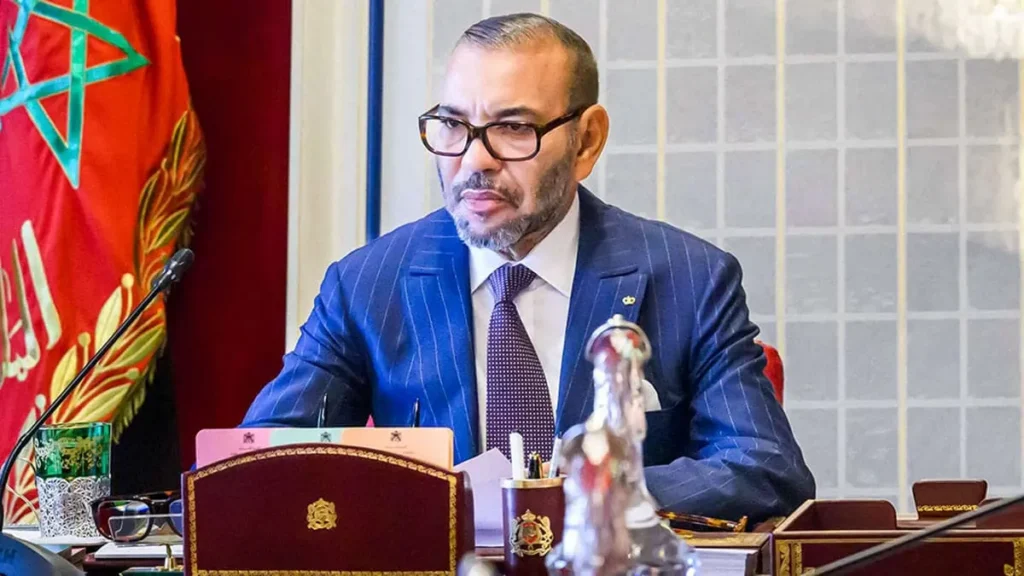
Morocco’s strategic rise under King Mohammed VI’s leadership
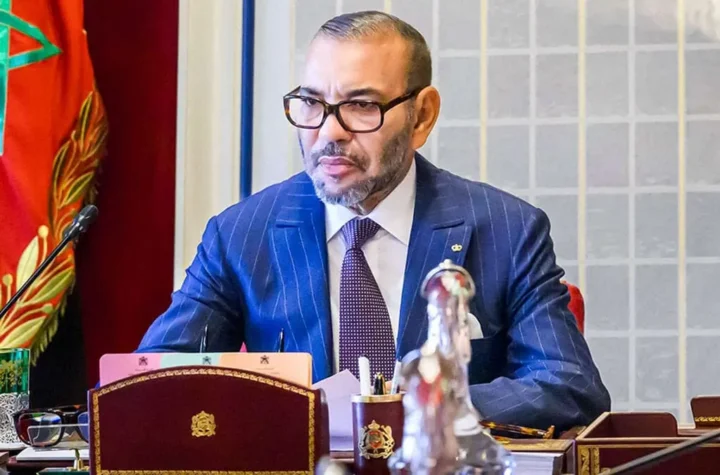
Morocco has emerged as a leading political, economic, and social force on the global stage, extending its influence across Africa, the Arab world, the Mediterranean basin, and beyond. This transformation, driven by the visionary guidance of His Majesty King Mohammed VI, has positioned the Kingdom as a modern, stable nation and a respected international player.
The Kingdom’s progress stems from a long-term strategic vision that prioritizes infrastructure development and economic independence. High-speed rail networks, expanded port facilities, state-of-the-art airports, and thriving industrial and technological hubs—particularly in automotive and aerospace—reflect the meticulous planning behind Morocco’s future.
Anissa Saysay, a German-Moroccan politician and member of the Christian Democratic Union (CDU), highlighted these achievements during an interview marking the Throne Day celebrations. She emphasized that Morocco’s geographic and cultural positioning serves as a bridge between Europe, Africa, and the Arab world, enhancing its political and economic leverage.
Energy transition and social progress
The Kingdom is also a pioneer in Africa’s energy transition, particularly in renewable energy, while serving as a key partner for Europe in sustainable development. On the social front, Morocco has made significant strides in expanding healthcare, education, and women’s rights, reinforcing its commitment to inclusive progress.
Strengthening German-Moroccan relations
Saysay underscored the evolving strength of German-Moroccan ties, describing Morocco as a reliable and dynamic partner in North Africa. Germany, in turn, plays a critical role in supporting Morocco’s technological, industrial, vocational training, research, and climate protection initiatives.
The partnership, she noted, thrives on mutual respect, shared interests, and open dialogue. Binationals—individuals with dual Moroccan-German identities—act as catalysts, bridging institutional expertise with local dynamism to foster investment, knowledge exchange, and scientific collaboration.
She further noted that Throne Day is more than a national celebration; it reinforces the unbreakable bond between Moroccans abroad and their homeland, celebrating its history and ongoing progress.
More Stories
Breaking down the constitutional court’s ruling on referendum law in DRC
Will Félix Tshisekedi seek a third term in the DRC?
Bénin’s legal reform commission: turning law into growth engine