Under the visionary leadership of King Mohammed VI, Morocco has transformed its dam policy into a cornerstone of national water sovereignty. This strategic approach has yielded an impressive hydraulic infrastructure, positioning the country as a regional leader in water resource management.
By the end of 2026, the Kingdom will boast 156 large dams, with a total storage capacity of 20.8 billion cubic meters. Currently, 14 additional dams are under construction, reinforcing the nation’s expertise in hydraulic engineering, technical studies, civil engineering, and water infrastructure management. These achievements stem directly from the Royal Vision, which prioritizes sustainable water security.
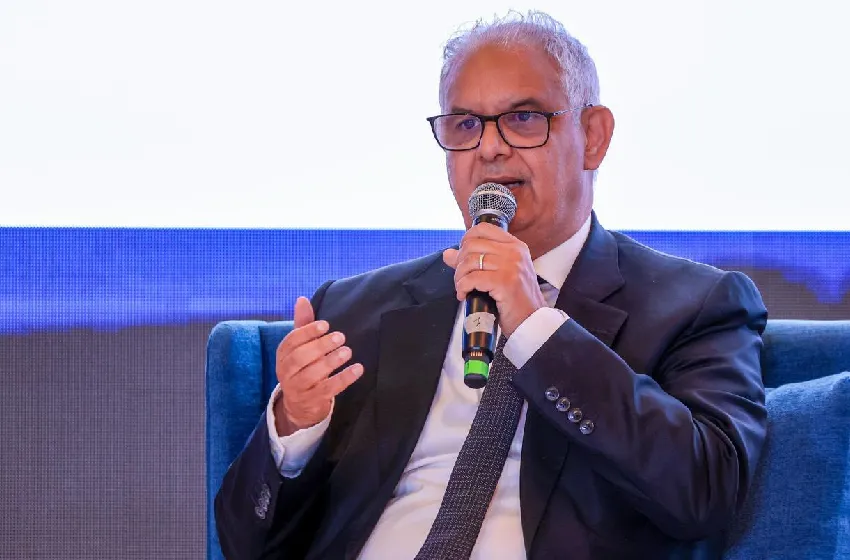
The minister of Equipment and Water, Nizar Baraka, highlighted the critical role of these water assets in enhancing territorial and population resilience. A robust management strategy ensures efficient demand control while securing long-term water availability. Notably, eight major dams were completed between 2021 and 2026, significantly boosting the country’s hydrological security.
The combination of favorable rainfall patterns and the Kingdom’s expanded hydraulic network has provided Morocco with a minimum two-year buffer for both drinking water and irrigation across the nation. This achievement underscores the success of the dam-centric policy in safeguarding water supplies.
In parallel, the government is accelerating the construction of 155 small dams by 2028, in collaboration with the Ministry of the Interior. This initiative aims to extend water access to rural communities while replenishing underground aquifers and creating strategic reserves for future generations.
The Royal Vision extends beyond traditional dams. It encompasses basin-based governance, seawater desalination, wastewater recycling, and climate adaptation—all integral components of Morocco’s integrated water strategy. By 2030, desalination is projected to supply 60% of potable water needs, reducing pressure on conventional sources.
Inter-basin water transfer networks—dubbed “water highways”—are also being developed to foster national solidarity in water distribution. These infrastructures ensure water security for major urban centers and rural hubs alike, promoting equitable access and territorial justice.
Mohammed Benahmed, an international expert in territorial development, emphasized that Morocco now manages one of Africa’s most significant water portfolios. He stressed the need for long-term stewardship through performance evaluations, multi-year budgeting for maintenance, and efficient governance models. To sustain such a large-scale infrastructure, he advocated for innovative financing solutions—including green bonds, concessional climate funds, blended finance mechanisms, and public-private partnerships.
Mohamed Amrani, FAO’s North Africa policy lead, underscored that water sovereignty hinges on fair, sustainable, and productive regional cooperation. Effective governance must balance supply security with economic feasibility, avoiding over-reliance on costly solutions.
This strategic dialogue on water policy reflects a broader commitment to public engagement and informed decision-making. The second edition of this high-level forum convened policymakers, industry leaders, and media representatives to explore solutions for equitable and resilient water governance in the years ahead.