
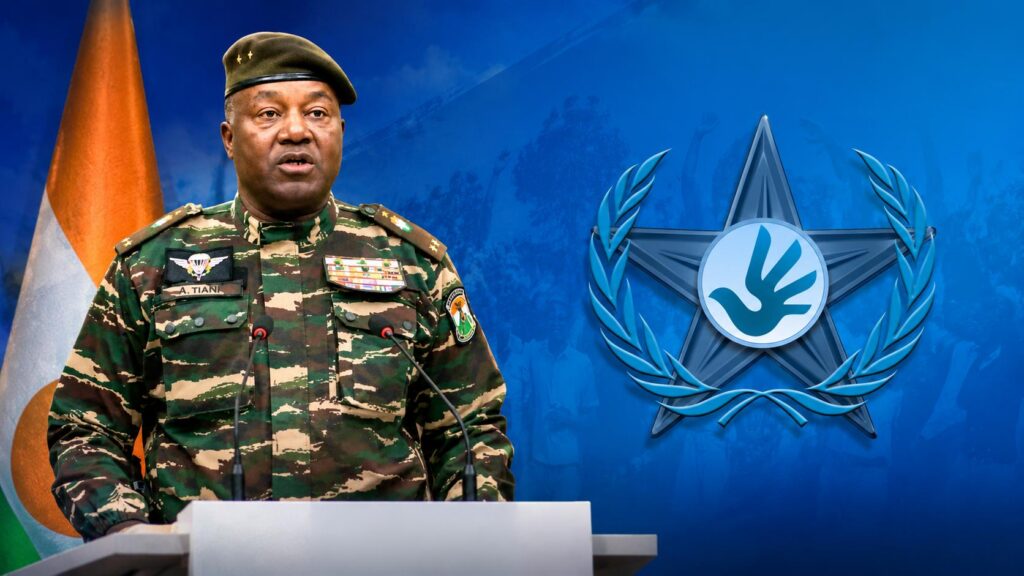
Niger’s democratic backsliding under military rule
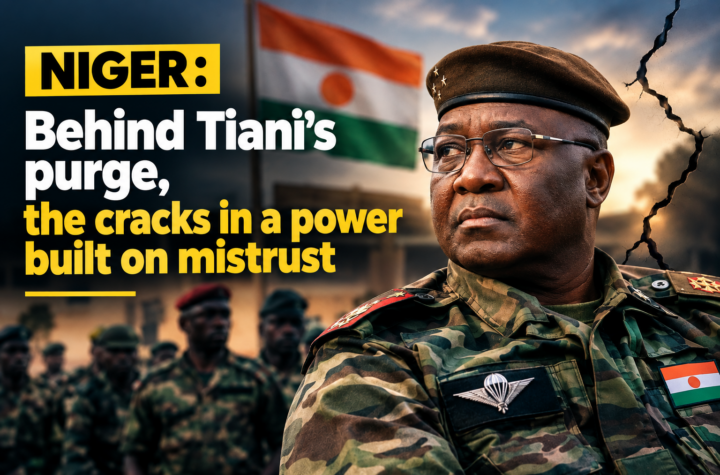
Three years after General Abdourahamane Tiani seized power in Niger, the country’s democratic foundations have eroded under a junta that has systematically dismantled institutions, silenced dissent, and isolated itself from the international community. A damning assessment by a leading human rights organization underscores the depth of the crisis, revealing a regime that has prioritized control over accountability.
From democratic transition to authoritarian consolidation
On July 26, 2023, elected President Mohamed Bazoum was ousted by a military council led by General Tiani. What began as a promise to restore stability has morphed into a sustained campaign to dismantle checks and balances. The National Council for the Safeguard of the Homeland (CNSP) has methodically eroded judicial independence, restricted civic freedoms, and neutralized political opposition under the guise of security imperatives.
Political prisoners and the erosion of justice
The plight of former President Bazoum and his wife, held without charge since their arrest, stands as a stark reminder of the junta’s disregard for legal norms. Despite global condemnation and urgent appeals from global bodies, including the United Nations Working Group on Arbitrary Detention, the military leadership remains unmoved. The detention of human rights defender Moussa Tiangari in December 2024 further highlights the regime’s tightening grip. When his legal team sought his release under standard provisional detention limits—12 months for terrorism-related cases—the authorities abruptly extended the maximum detention period to four years, a move critics condemn as a blatant manipulation of the law.
Crackdown on dissent: media, civil society, and diaspora
The junta’s repression extends across all sectors of society:
- Political and civic repression: All opposition parties have been dissolved, while independent unions and NGOs have had their activities suspended, effectively stifling organized dissent.
- Media censorship: Under a revised cybercrime law, authorities have intensified surveillance of journalists. In October, six reporters in Niamey were detained for merely publicizing a press briefing invitation.
- Exile repression: The regime has turned its attention to diaspora activists, stripping citizenship rights from critics like Mariama Djibrine, a prominent opposition voice in the region.
Societal regression and international isolation
The military leadership has doubled down on repressive measures, most notably with a 2025 amendment to the Penal Code that criminalizes same-sex relations and LGBT support networks, imposing sentences of 5 to 20 years in prison. The law has already triggered mass arrests and disrupted vital public health initiatives, particularly HIV/AIDS programs.
On the diplomatic front, Niamey has accelerated its withdrawal from international commitments. After announcing its exit from the Economic Community of West African States (ECOWAS), Niger formally withdrew from the International Criminal Court (ICC) in June, further limiting legal recourse for citizens. Analysts warn that this isolation weakens protections for civilians, especially in volatile regions like Tillabéri, where civilian casualties continue to mount amid counterterrorism operations.
Call for global action
Human rights organizations are urging international partners to move beyond cautious diplomacy and demand concrete steps: the immediate release of political prisoners, the restoration of a civilian-led transition roadmap, and accountability for abuses under military rule. The junta’s continued defiance risks entrenching Niger in a cycle of repression with no clear exit in sight.


More Stories
Mali: près de 80 soldats tués dans l’attaque de Dioura
Côte d’Ivoire : le Burida prépare une distribution record de 795,4 millions FCFA
Paris FC vs Lyon: kick-off time and TV channel for the Ligue 1 matchday 4 clash