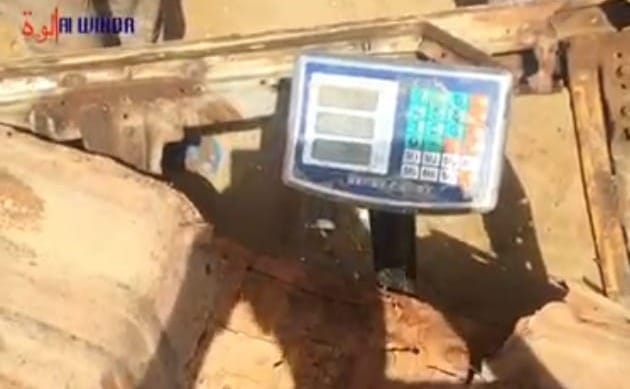
In bustling districts of N’Djamena, a familiar cry echoes through the streets: ‘Hadid kilo! Hadid kilo!’ Vendors push rickshaws overflowing with scrap metal, a trade that has quietly grown into a lucrative enterprise in Chad’s capital.
From scrap to stolen goods: the dark side of ‘hadid kilo’
While the ‘Hadid kilo’ trade promises quick earnings, it has also become a catalyst for child theft. Sources from local communities report that children, some as young as eight, are being exploited to sell household items—ranging from gas cylinders to bicycles and vehicle parts—simply to earn small sums of money.
In Ngabo district, a ten-year-old boy allegedly sold his mother’s gas cylinder for just 600 FCFA to a scrap dealer. In Ndjari, another child sold his younger brother’s bicycle for 250 FCFA. And in Zafaye, a child parted with a part of his father’s car engine for 1,000 FCFA. These incidents, though isolated, reveal a troubling trend: children are being encouraged to steal and sell family property for meager profits.
Unregulated traders fuel the problem
Many of these scrap dealers operate without proper documentation or residency permits, often crossing borders from neighboring countries like Niger and Nigeria. Their transient presence and lack of accountability make enforcement difficult. Residents argue that the unchecked nature of this trade normalizes theft among minors, pushing them toward risky behaviors with long-term consequences.
Calls for urgent action
Parents and community leaders are demanding immediate intervention. They urge authorities to ban the purchase of scrap metal from children, strengthen monitoring of street vendors, and implement stricter regulations on metal recycling operations. Their plea is clear: protect children from exploitation and prevent a cycle of delinquency that could jeopardize their future.
With youth crime on the rise and educational opportunities at risk, observers emphasize that decisive steps are needed to safeguard both childhood and community well-being.