N’Djamena : pendant les vacances, Léa vend du manioc pour financer sa scolarité
À N’Djamena, des élèves comme Léa profitent des vacances pour vendre du manioc, apprenant ainsi des leçons de vie et d’autonomie financière face à la pauvreté omniprésente.
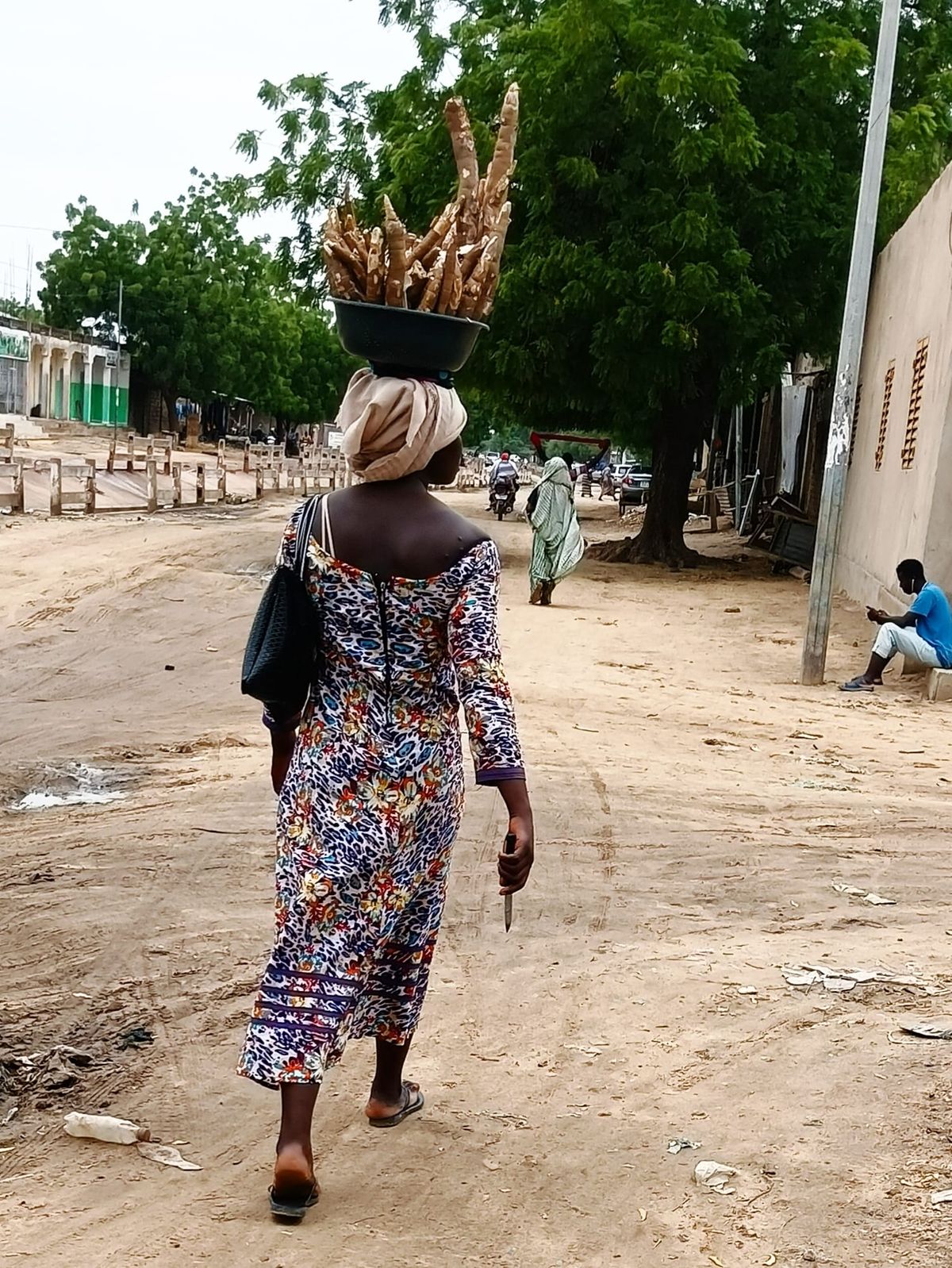
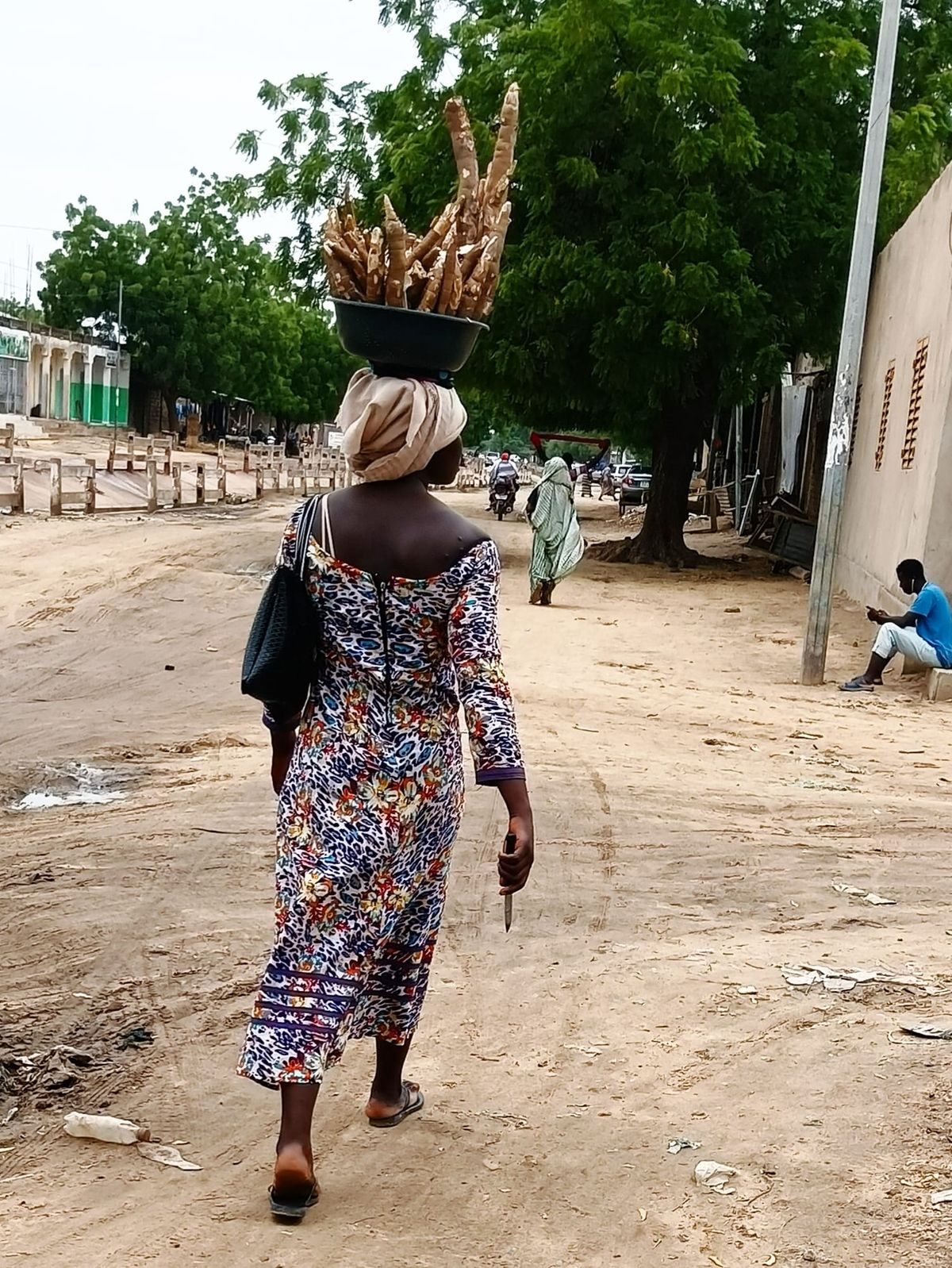
For many students in Chad, school holidays are not merely a time for leisure. Instead, they represent an invaluable opportunity to gain practical life experience. In N’Djamena, Léa, a determined high school student residing in the Kilwiti district, has chosen to spend her break selling cassava. Each day, with a basin of the staple food balanced on her head, she navigates the bustling streets of the capital in search of customers.
“I live with my mother in the Kilwiti neighborhood. I’m making the most of these holidays by selling cassava, which will allow me to prepare for the next school year,” Léa shared, emphasizing her commitment to her education.
Léa explains that the price for cassava portions ranges from 50 FCFA to 500 FCFA. She is not alone in this endeavor; many other young girls have also ventured into this trade. However, the activity presents its own set of challenges.
“Cassava has become expensive. Some customers, when we offer them portions for 100 or 200 FCFA, believe our prices are too high. They don’t realize that we ourselves purchase the goods at a steep price; we cannot afford to sell at a loss,” she confided. Fortunately, Léa notes that a segment of her clientele understands their situation and offers encouragement. The pervasive poverty across the country makes such efforts both necessary and commendable.
Chad faces significant economic hardship, with 44.8% of its population living below the national poverty line. Beyond this general poverty, several indicators highlight extreme vulnerability: approximately 36.5% of the population subsists on less than $2.15 per day. The nation also ranks among those with the lowest human capital index, severely limiting development opportunities for its youth.
A growing awareness for the future
Beyond the immediate financial need, this entrepreneurial spirit reflects a notable shift in mindset among Chadian youth. Confronted with an uncertain job market and the challenges of traditional schooling to guarantee stable professional futures, these students have grasped the critical importance of diversifying their skills and achieving financial autonomy from a young age. Alongside their academic pursuits, they are learning invaluable lessons in discipline and the practical realities of commerce, paving their own paths forward in the African economy.