N’Djamena’s young generation: surviving through the sand trade
In N’Djamena, young Chadians are increasingly turning to the sand trade as a means of survival, highlighting the severe precarity driven by widespread unemployment.
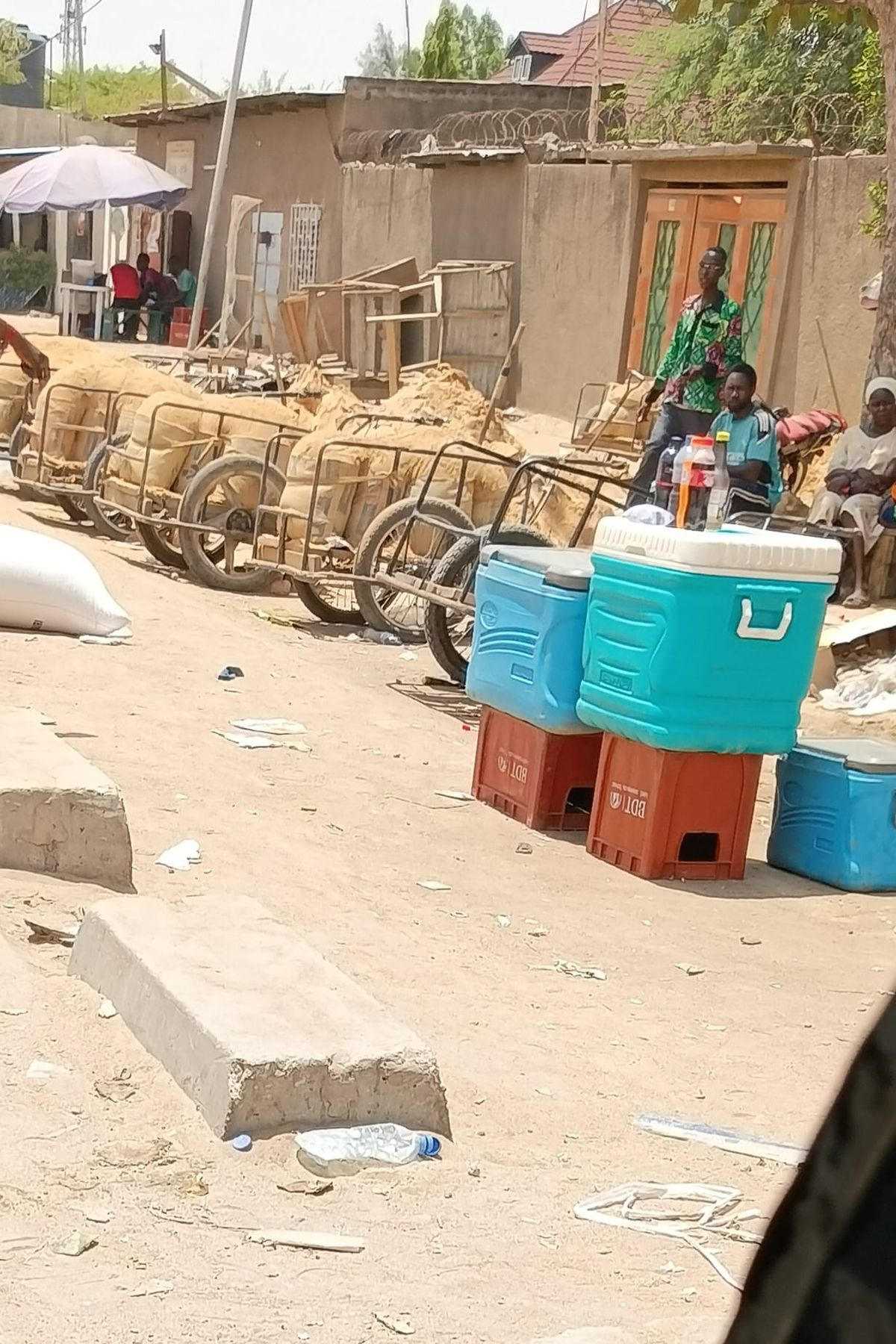
A generation of young people, grappling with widespread unemployment, is being pushed towards physically demanding trades as their only path to survival. At the Emtoukoui market, situated in the capital’s 7th arrondissement, scores of young men have embraced the sand trade as their daily livelihood. This taxing work, far removed from conventional office jobs, has become essential for them to put food on the table.
According to the latest macroeconomic projections for Chad from the World Bank Group, the national poverty rate is anticipated to reach 45.4% of the population. This staggering figure translates to approximately 9.5 million individuals enduring extreme poverty.
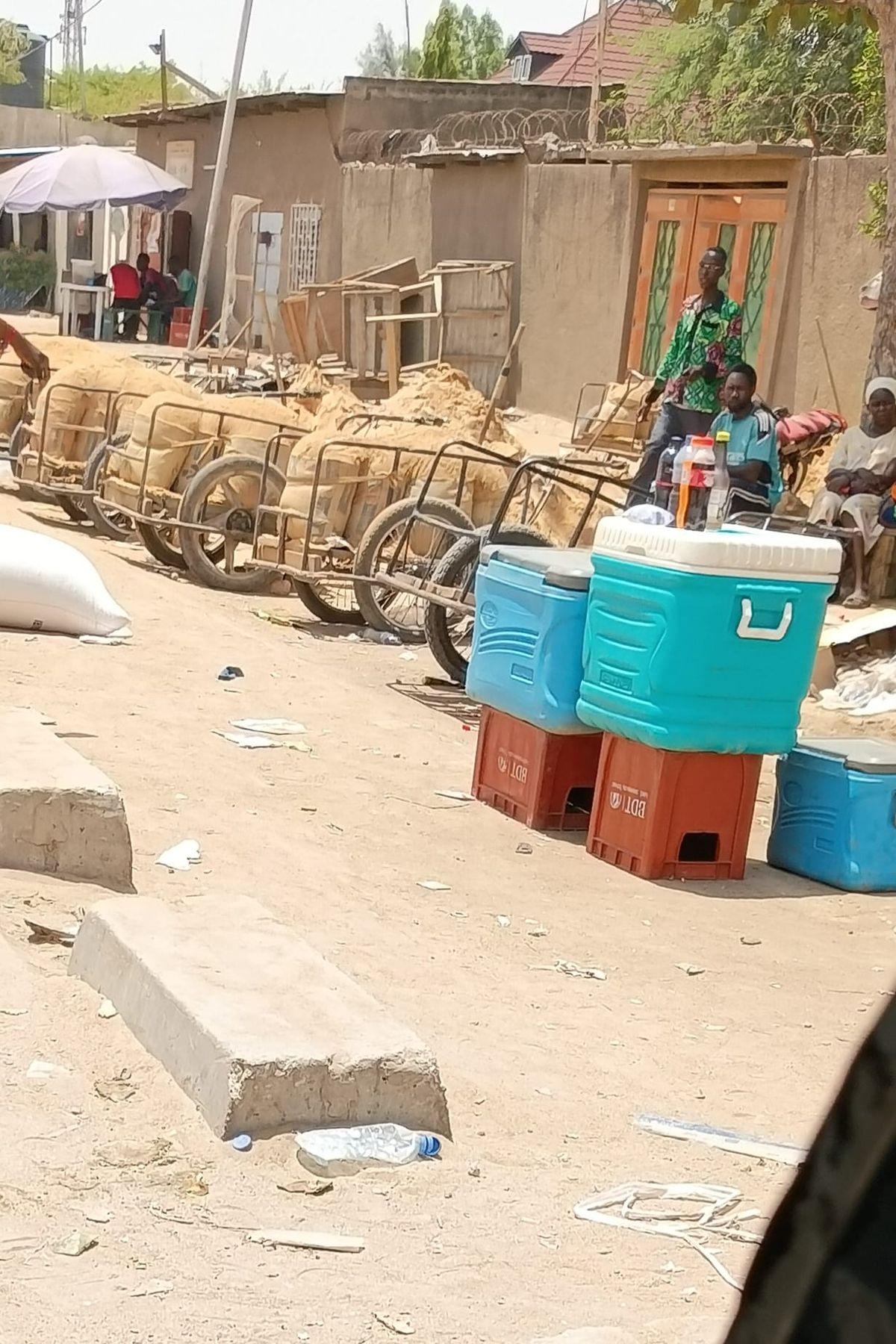
Under the relentless glare of the sun, along the paved road of Emtoukoui market, the scene remains unchanged. Rows of heavily loaded handcarts, known as « porte-tout », stand poised, waiting for a customer’s gesture. Beside them, faces etched with fatigue and a palpable sense of discouragement scan for any potential client. Here, it’s not about conventional commerce; it’s about the raw trade of survival, the business of selling sand.
In Chad, data from INSEED and national reports, such as ECOSIT4, indicate that the unemployment rate for young people aged 15 to 24 stands at 30.3%. For the broader 15-to-30 age bracket, the overall rate hovers around 22%, while the percentage of unemployed graduates in this demographic exceeds 60%.
A daily struggle powered by brute strength
For these young individuals, many of whom have found the doors to formal employment firmly shut, sand has become their sole exploitable resource. The process is intensely physical, repetitive, and utterly exhausting. Sand is loaded into 50 kg sacks, then transported either by hand or with the aid of these essential « porte-tout » handcarts, which they push through neighborhoods to offer their services.
« We don’t choose this work out of passion, but out of absolute necessity, » one young man confided, his gaze shifting, bearing the marks of an arduous day. « We have to eat, we have to survive. So, we dare to do it, no matter how hard it is. » The majority of these young people, many with limited formal schooling, attempt to carve out a future through this activity, but it is far from easy.
An economy of resilience and resourcefulness
The economic model, if it can even be called that, remains precarious and unpredictable. Depending on the distance, the difficulty of the journey, or the client’s negotiation skills, the price for a delivery can range between 2,000 and 5,000 CFA francs. This is a modest sum, considering the immense physical effort expended daily.
This situation powerfully illustrates the harsh reality faced by a segment of N’Djamena’s youth. In the absence of formal professional opportunities, the informal sector serves as the last bastion against destitution, transforming these young individuals into unseen laborers whose sweat literally builds the capital’s daily life, often amidst widespread indifference.
In Emtoukoui, as in other areas, these young people are not asking for charity, but for a genuine chance. In the meantime, they continue to scan for the next client, their handcarts loaded, their faces hardened by the weight of an uncertain future.