Chad’s capital embraces sudanese wedding trends
Wedding ceremonies in N’Djamena are undergoing a cultural transformation that is reshaping local matrimonial traditions. While this evolution brings fresh aesthetics to celebrations, it also raises concerns about the future of Chad’s heritage.
Sudanese influences reshaping tchadien weddings
Modern N’Djamena weddings increasingly incorporate Sudanese customs, creating a blend that is becoming the norm in the capital. The once-clear distinctions between wedding traditions are fading as new practices take hold.
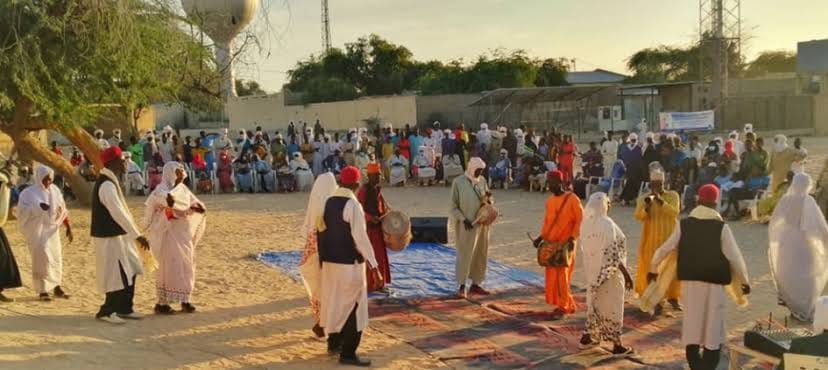
Among the most visible changes is the henna ceremony, now a staple in many celebrations. Both bride and groom receive intricate designs on their hands and feet, accompanied by celebratory processions. The groom carries his bride across the threshold of their new home, a scene that has become commonplace in capital city weddings. Days later, another ritual unfolds as the groom presents jewelry to his wife in front of gathered families—another practice borrowed from Sudanese culture.
The fading footprint of traditional tchadien weddings
Contrast this with the traditional Chad wedding, where elders held significant sway. After the dowry was settled, couples maintained limited contact before marriage. On the wedding day, the bride would leave her family home escorted by her mother and grandmothers, who imparted wisdom on patience, household management, forgiveness, and marital responsibility.
A week after the ceremony, the bride’s family would symbolically entrust her to neighbors. This tradition reinforced community bonds, as neighbors were expected to guide her through mistakes and celebrate her successes. These customs, deeply rooted in local values, are gradually disappearing from modern celebrations.
Entertainment evolves, traditions fade
The entertainment aspect of weddings has also shifted dramatically. Traditional griots, drummers, and storytellers—who once narrated the history and values of communities—are being replaced by contemporary performances. Elders express concern that this change is eroding the transmission of cultural heritage to younger generations.
In some neighborhoods, entire weddings now follow Sudanese-inspired formats: from décor and attire to henna sessions and choreographed couple entrances. The line between Chadian and Sudanese weddings has become blurred for many attendees.
Voices from the community
« Previously, a Chadian wedding was a school of life. Elders spoke, the youth listened, and everyone left with valuable lessons. Today, the focus is more on spectacle than on wisdom, » reflects a community leader in the Bololo district.
Maman Azma, a mother and director of the Lamy Fortain association, shares similar concerns: « Young women today know about foreign wedding customs, but many have no idea about the traditions their grandmothers practiced. If we don’t pass these down, they will vanish. »
Not all perspectives are negative. One newlywed argues for cultural openness: « We adopt practices we find beautiful. That doesn’t mean we reject our own culture. The key is preserving the values of marriage. »
Balancing tradition and modernity
The question now facing Chadian society is how to preserve its cultural identity while embracing external influences. Heritage specialists emphasize that the solution isn’t to reject foreign customs but to ensure that Chadian traditions are passed down to future generations before they fade into obscurity.



More Stories
How Benin’s AirBadminton triumph over Mauritius reveals deeper continental shifts
Life costs in Chad: tracking market prices for better survival
Hardships faced by displaced people from Kouakourou in Mali