The joint expert committee studying the reopening of the Benin-Niger border has delivered its findings, sparking cautious optimism. An agreement has been reached on security protocols, transit rules, and key legal and economic frameworks. However, Niamey has set three non-negotiable conditions that could delay the political ratification of the deal.
What lies ahead for this three-year standoff, which has exacted a heavy toll on both economies and communities?
Three non-negotiable conditions
Nigerian authorities have outlined three uncompromising prerequisites for a lasting reopening of the border with Benin, closed since 2023.
- First, Niamey demands a formal defense and security agreement with Cotonou, enshrining mutual non-aggression and a pledge not to allow either country to serve as a base for destabilizing the other.
- Second, the establishment of a joint intelligence-sharing cell to monitor real-time threats, including terrorism and cross-border trafficking.
- Third, full transparency regarding the presence of foreign or military forces near the border, addressing Niger’s sovereignty concerns.
Regis Hounkpe, executive director of InterGlobe Conseils, highlights the pragmatic necessity of these measures: « Mutual non-aggression is fundamental. While this may seem standard, the three-year standoff has made it a critical reassurance. The real challenge lies in implementation—ensuring both Benin and Niger uphold these commitments without resorting to coercive measures. »
On the intelligence-sharing front, Hounkpe underscores its reciprocal value: « A joint cell ensures neither side harbors intentions of destabilization. It’s a win-win for regional stability. »
Regarding foreign military presence, he stresses Niger’s right to verify Benin’s partnerships: « Sovereignty is at stake. Benin, as a sovereign nation, may collaborate with France, China, Russia, or others—but these alliances must not undermine Niger’s security. Pragmatically, destabilizing a neighbor serves no one’s interests. »
A lifeline for Niger’s economy
For landlocked Niger, Benin is the primary gateway to the sea, with nearly 70% of its imports transiting through Cotonou. The border closure has crippled this critical corridor, forcing costly detours through Nigeria or Togo. Logistics costs have surged by 30% to 50%, straining budgets already stretched thin.
The Niger-Benin pipeline, a 2,000-kilometer artery linking Agadem’s oil fields to the port of Sèmè-Kpodji, has also ground to a halt. Suspended oil flows mean lost revenue for Niger, while Benin’s port authority grapples with congestion and declining transit fees.
For the Economic Community of West African States (ECOWAS) and the Alliance of Sahel States (AES)—including Mali and Burkina Faso—Benin’s role as a regional hub is indispensable. These nations rely on Cotonou for essential supplies like fuel, construction materials, and food staples such as rice.
Benin’s balancing act
Cotonou, too, faces economic fallout. The port’s congestion and reduced transit volumes have slashed customs revenues by up to 60% in some sectors. Logistics, wholesale trade, and transport enterprises are hemorrhaging income, while alternative routes divert trade to Togo and Nigeria, threatening Benin’s regional dominance.
The oil pipeline alone is designed to export 90,000 barrels daily. Each delayed shipment translates to millions in lost revenue—a financial hemorrhage no Sahelian budget can absorb. As Hounkpe notes, « The mutual interest in reopening the border is undeniable. For Benin, it’s about restoring port vitality; for Niger, it’s about regaining economic oxygen. »
Human cost of the blockade
The crisis has left deep scars on communities. At Malanville (Benin) and Gaya (Niger), market vendors report a 50% drop in customers, forcing closures and layoffs. Essential goods have become scarce, prices have soared, and transportation costs have skyrocketed. Families separated by the closed border face heightened vulnerability, while smuggling and extortion networks thrive in the void.
Hounkpe warns of broader risks: « Isolation breeds instability. When communities can’t move freely, when markets shrink, and when livelihoods collapse, the ground becomes fertile for illicit networks. The longer the border stays shut, the harder it is to reverse these trends. »
A path forward?
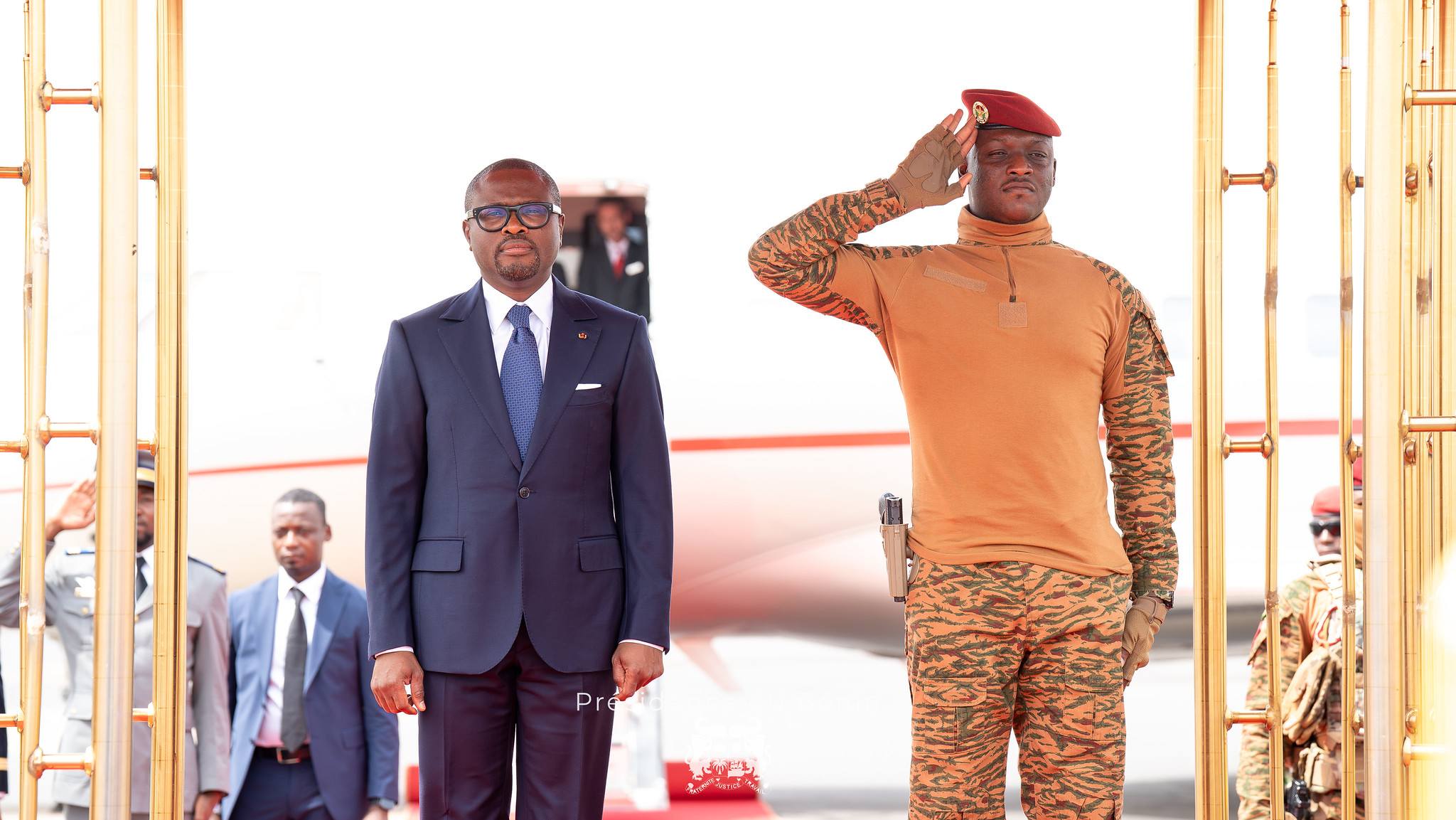
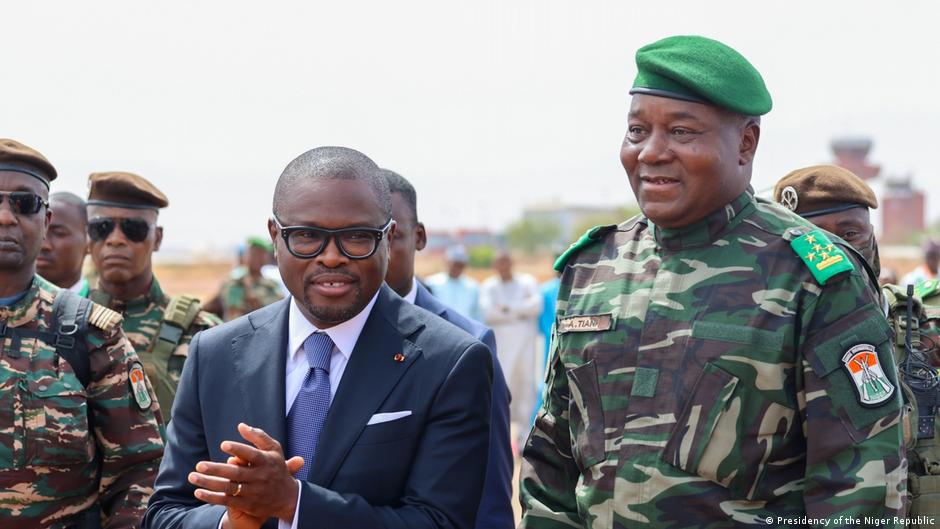
The impetus for dialogue emerged after Benin’s presidential election, with Romuald Wadagni prioritizing cross-border relations. His June 2, 2026, visit to Niamey kickstarted the joint committee, signaling a shift toward economic pragmatism over political posturing.
Hounkpe remains optimistic: « Leaders today must prioritize geography over ideology. Niger and Benin are bound by history, economy, and security. Their survival depends on cooperation—not confrontation. »
A phased reopening, starting with high-priority goods and reinforced controls, appears likely. If successful, this thaw could set a precedent for the AES and ECOWAS, much like the recent economic détente between Mali and Côte d’Ivoire.
The message is clear: when economic imperatives outweigh political divides, borders should serve as bridges, not barriers.