Gabon’s rising role in shaping the future of the Francophonie
Libreville — The power struggle over the leadership of the International Organisation of La Francophonie (OIF) is no longer confined to Paris or Montreal. It has shifted decisively to African capitals, with Libreville emerging as a key player in reshaping the future of a global network representing nearly 90 member states.
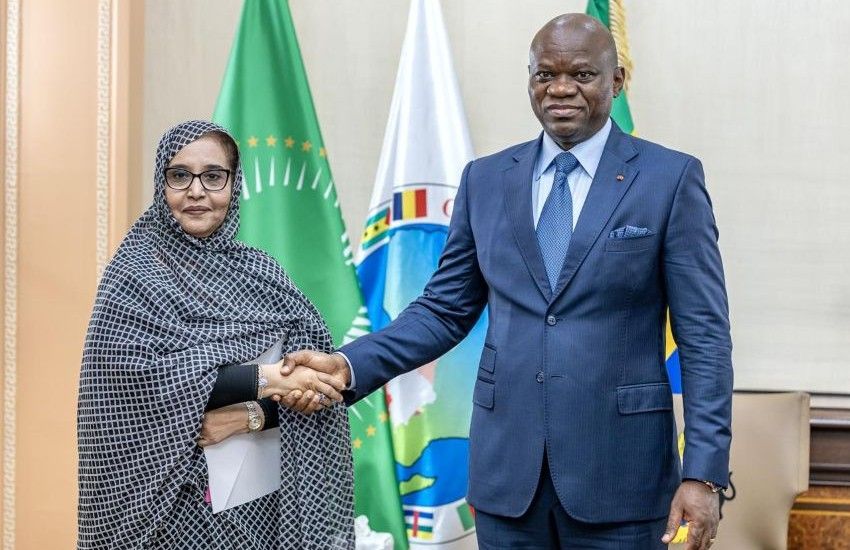
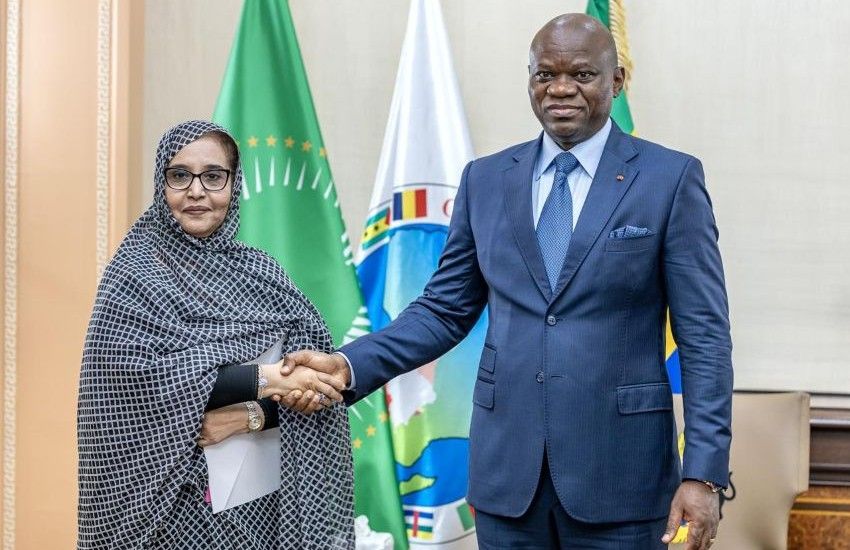
The high-profile meeting in Libreville between Mauritanian Environment and Sustainable Development Minister Messouda Baham Mohamed Laghdaf and Gabonese President Brice Clotaire Oligui Nguema underscores this continental shift. Beyond ceremonial diplomacy, the encounter signals two critical developments: Mauritania’s push to deepen ties with Gabon and a strategic campaign for a new era in Francophonie governance.
Mauritania’s strategic diplomatic maneuver
During the closed-door discussions, the Mauritanian envoy formally presented the candidacy of Dr. Koumba Ba for the OIF Secretary-General position. The proposal is anchored in three core pillars: coherence, balance, and tangible utility for member states. This approach directly addresses a growing questioning of the Francophonie’s evolving purpose in the 21st century.
Once viewed primarily as a cultural and linguistic influence tool, the organisation now faces urgent demands to address pressing challenges such as digital transformation, youth empowerment, economic development, food security, climate action, artificial intelligence, and technological sovereignty. Mauritania’s bid reflects a broader African ambition: reorienting the Francophonie toward measurable outcomes rather than symbolic representation.
Gabon’s diplomatic comeback
Mauritania’s overture comes at a pivotal moment for Gabon, which has steadily regained diplomatic prominence in African affairs. Since assuming office, President Oligui Nguema has championed a foreign policy centered on dialogue, consensus-building, and regional cooperation. This strategy has positioned Libreville as a sought-after mediator in continental initiatives.
The Gabonese leader reaffirmed his commitment to inclusive governance and consensus-driven solutions during the talks—a stance that aligns with Libreville’s ambition to shape Africa’s evolving diplomatic landscape. While the OIF leadership debate dominated headlines, the discussions also highlighted opportunities for bilateral cooperation in environmental sustainability, green development, education, and trade.
The African continent’s call for a new Francophonie
The stakes of this diplomatic exchange extend far beyond the Gabon-Mauritania axis. With over 60% of French speakers now residing in Africa—a figure projected to rise to 85% by 2050—the future of the language and the Francophonie itself is inextricably tied to the continent’s trajectory.
This demographic reality is forcing a recalibration of historical power dynamics. African nations are increasingly demanding greater representation in decision-making bodies and a redefinition of the organisation’s priorities to better serve member states. The Mauritanian-backed candidacy embodies this push for an African-led Francophonie that prioritises economic growth, innovation, youth development, and intra-state collaboration.
The meeting between President Oligui Nguema and the Mauritanian envoy transcends routine diplomacy. It encapsulates a silent yet profound realignment of influence within the Francophonie. Mauritania’s move sends a clear message: the Francophonie of tomorrow cannot be conceived without Africa’s leadership. Meanwhile, Gabon’s willingness to host this initiative and pursue a diplomacy of dialogue cements its role in crafting the continent’s new cooperative frameworks.
The question is no longer whether Africa should shape the Francophonie’s future but how the continent will define its next chapter within this global network. The stakes are high, and the time for action is now.