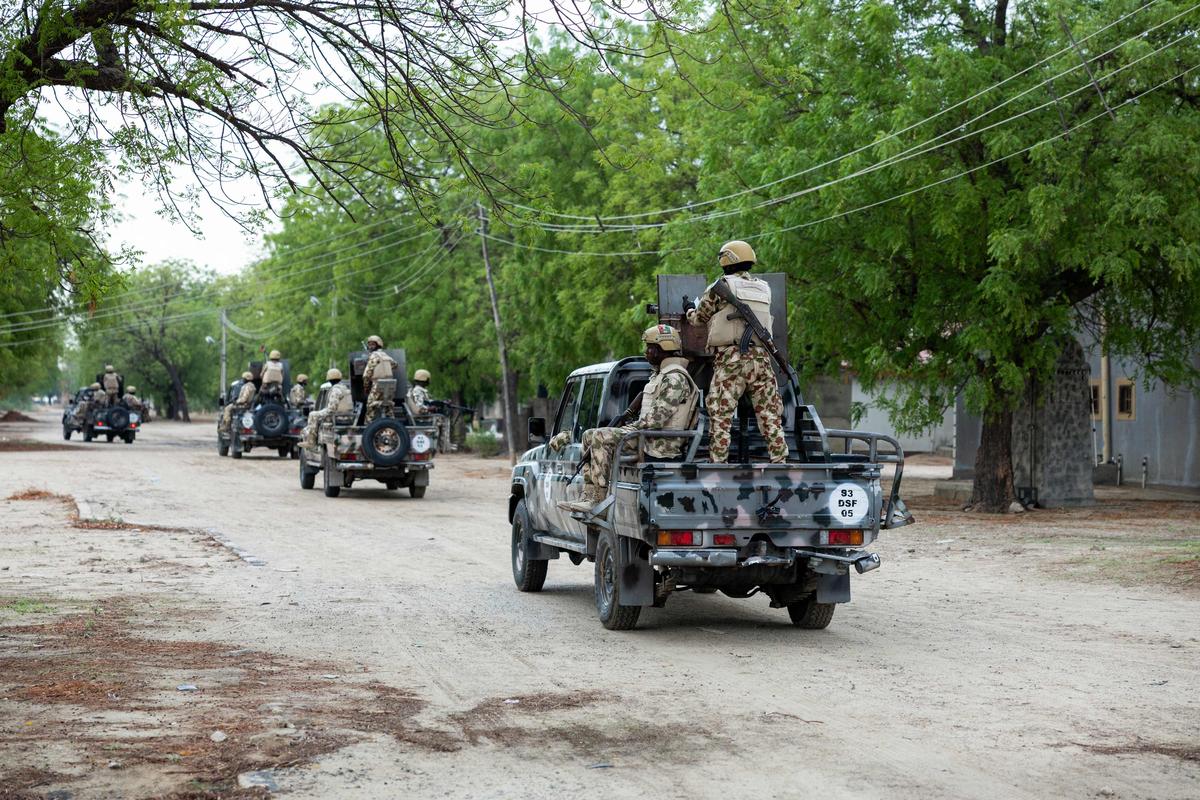
The remote village of Bosiye, nestled in western Niger, became the latest target of a brutal armed assault. Thirty-one civilians lost their lives in the attack, while four others remain hospitalized in critical condition, according to local sources.
The assault unfolded on Sunday, marking another tragic episode in a region plagued by relentless violence. Bosiye, located in the Tillabéri area—part of the so-called “three-frontiers zone”—shares borders with both Burkina Faso and Mali. These neighboring countries have long been hotspots for jihadist activity, with groups like the Jama’at Nusrat al-Islam wal Muslimin (JNIM), affiliated with Al-Qaeda, and the Islamic State, sustaining a decade-long campaign of deadly attacks.
The “three-frontiers” region, where Niger, Burkina Faso, and Mali converge, has emerged as a focal point for regional instability. The proximity of Bosiye to these conflict zones has made it increasingly vulnerable to cross-border incursions, exacerbating security challenges for local communities. Authorities have yet to confirm the perpetrators of the attack, but the pattern aligns with the tactics employed by known extremist factions operating in the Sahel.
The attack underscores the escalating threat posed by armed groups in West Africa’s Sahel belt, where civilian populations bear the brunt of the violence. As jihadist factions continue to expand their reach, the international community faces mounting pressure to address the root causes of instability in the region.