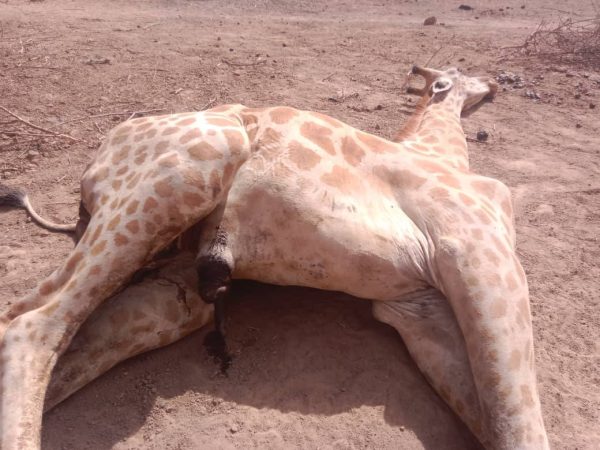
The first giraffe ever born in the Gadabedji biosphere reserve, named Abagana, has died from a severe illness on May 16, 2026, due to a lack of timely veterinary intervention. The loss of this iconic animal not only marks the end of a hopeful chapter for local conservation efforts but also raises urgent questions about the future of Niger’s wildlife tourism.
Abagana was more than just a giraffe; he symbolized the success of a bold reintroduction program and the promise of a thriving ecotourism sector in Niger. His presence had already begun drawing visitors, making him a beloved figure among wildlife enthusiasts and conservationists alike. Now, his absence leaves a void that is felt deeply across the region.
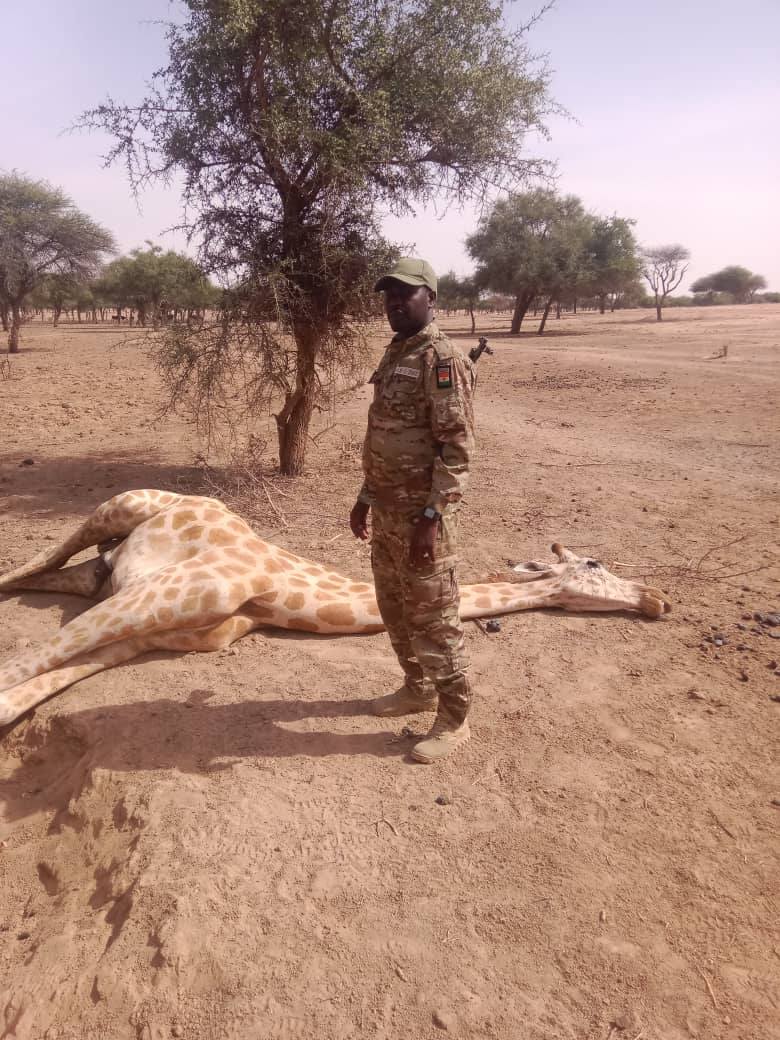
a painful decline witnessed firsthand
The final days of Abagana were marked by unimaginable suffering. A prolapsed penis—a condition that prevents normal urination—left the young giraffe in agony. Without access to critical veterinary care, his condition worsened rapidly, culminating in a tragic and preventable death. His demise is a stark reminder of the vulnerabilities facing Niger’s wildlife when medical expertise is out of reach.
Sadly, Abagana was not the first victim. Local wildlife rangers have witnessed similar tragedies in recent months, including the loss of a female giraffe after a difficult birth, where intervention could have made all the difference. Each loss chips away at the hope of rebuilding a sustainable wildlife population in Gadabedji.
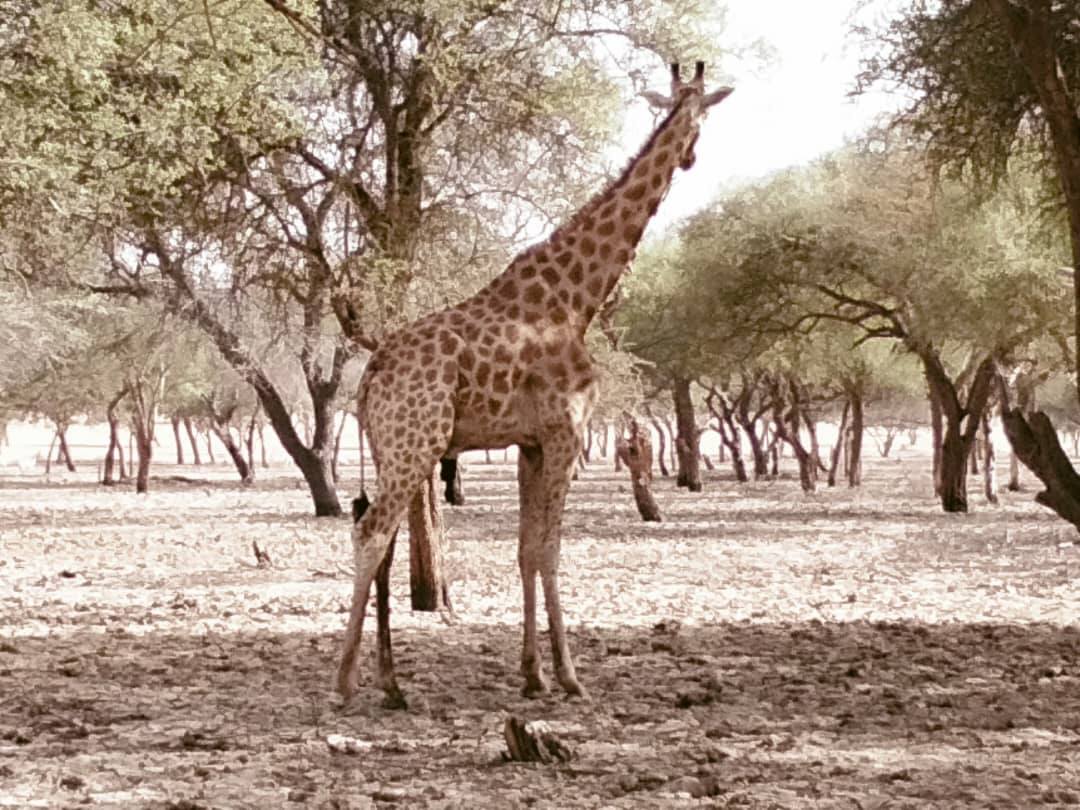
urgent calls for training amid wildlife crisis
The deaths of these giraffes are more than ecological tragedies; they represent a looming crisis for Niger’s tourism sector, where wildlife is a cornerstone of international appeal. Gadabedji, once a beacon of hope for conservation, now faces uncertainty as the specter of preventable losses grows.
Frustration is building among conservationists and rangers who feel powerless in the face of these repeated setbacks. Voices within the field are demanding immediate action, particularly in training local teams to handle veterinary emergencies and wildlife anesthesia. The plea is clear: without skilled personnel on the ground, the nation’s natural heritage—and its economic promise—will continue to fade.
« We stand by helplessly as our animals perish one after another, » laments a veteran in the conservation field. « The tools and knowledge exist; what’s missing is the will to act. »
The loss of Abagana is a call to action. For the sake of the giraffe population and the future of Niger’s tourism, the time to invest in veterinary training is now—before another preventable tragedy strikes.