The Nigerien military divides forces, raising questions over strategy and spending
The Nigerien armed forces have recently implemented a major restructuring of their operational command, splitting the existing Garkoi operation into two new tactical headquarters. The newly formed Akarasse operation now oversees the Algerian border, while Klafoki takes charge of the Chad border. While official statements emphasize efficiency gains and coordination improvements, a wave of criticism questions whether this move is anything more than a costly bureaucratic maneuver masking deeper failures.
When restructuring costs more than the crisis it aims to solve
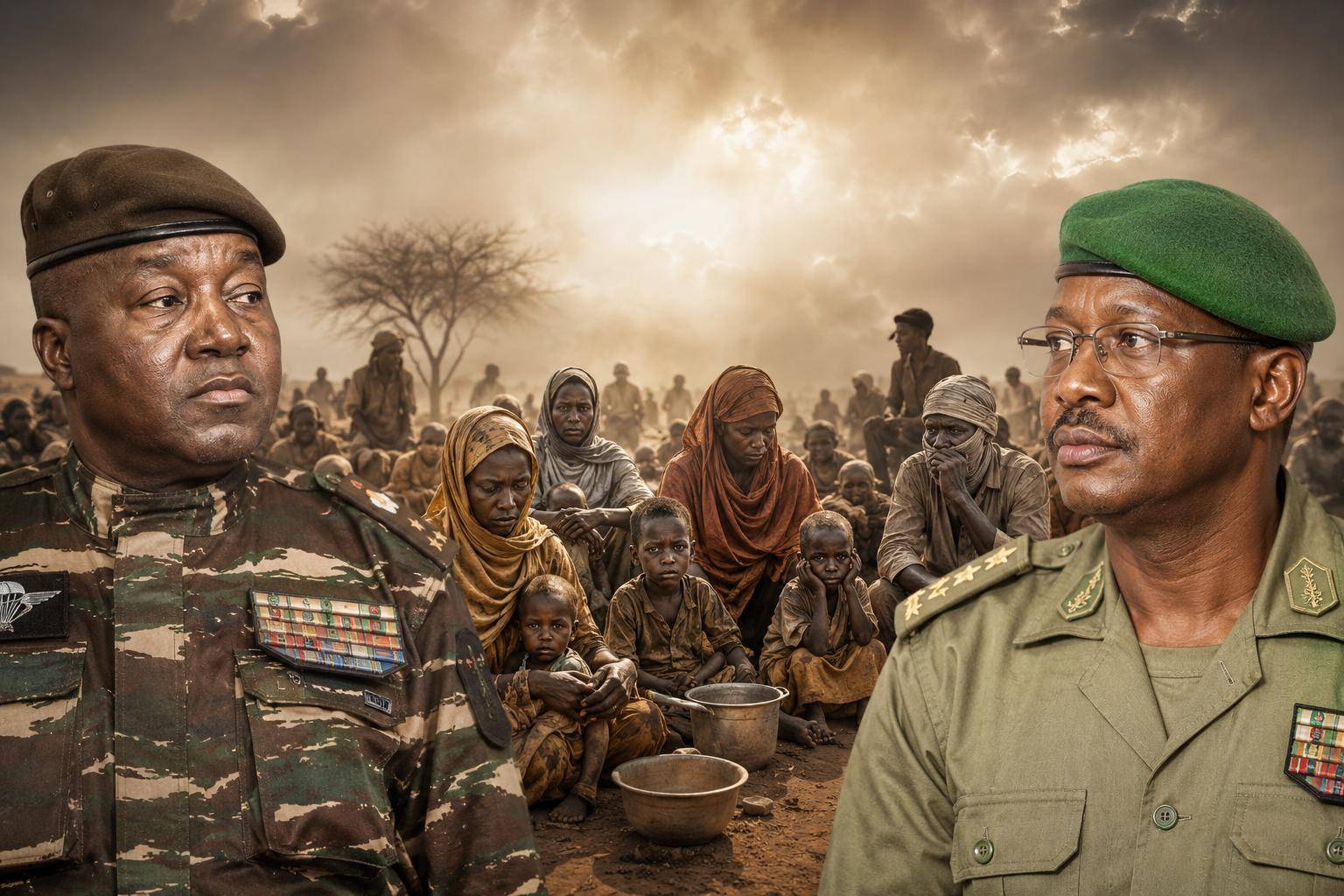
The creation of two parallel command structures—complete with their own generals, detachment leaders, and administrative hierarchies—has sparked outrage among analysts and citizens alike. Critics argue that this decision prioritizes military elitism over national needs, especially as the country faces an unprecedented social crisis. While the government allocates resources to establish and maintain these new operational centers in Bilma and Arlit, thousands of contract teachers remain unpaid, pushing families into extreme poverty. The contrast between military privileges and public neglect has fueled accusations of financial mismanagement and a blatant disregard for the welfare of Niger’s citizens.
A fragmented army reveals a widening security crisis
Beyond the financial implications, this reorganization exposes a harsh reality: the Nigerien military is increasingly overwhelmed by armed groups operating across its borders. Terrorist organizations such as Al-Qaeda, the Islamic State, and Boko Haram continue to exert relentless pressure, forcing the army into a reactive posture. The decision to split forces into two highly specialized fronts—along Algeria and Chad—signals that the existing command structure can no longer contain the threat. This fragmentation suggests that instability is spreading, with security breaches emerging at opposite ends of the country. Rather than an offensive strategy, the move appears to be a desperate attempt to manage multiple crises simultaneously, all while revealing the military’s diminished capacity to protect its people.
From military spending to national priorities: where is the balance?
As the Nigerien government invests in new command centers and high-ranking military salaries, the population struggles with unemployment, food insecurity, and collapsing public services. The restructuring of Garkoi into Akarasse and Klafoki may be intended to enhance security, but it serves as a stark reminder of the government’s struggle to balance defense needs with basic human development. With each new military expense, the gap between national priorities and public welfare widens, leaving citizens to question whether their leaders are addressing the right threats—or merely covering up their own shortcomings.