
Côte d’Ivoire: uncovering the Moscow trip of Ahoua Don Mello amid PPA tensions
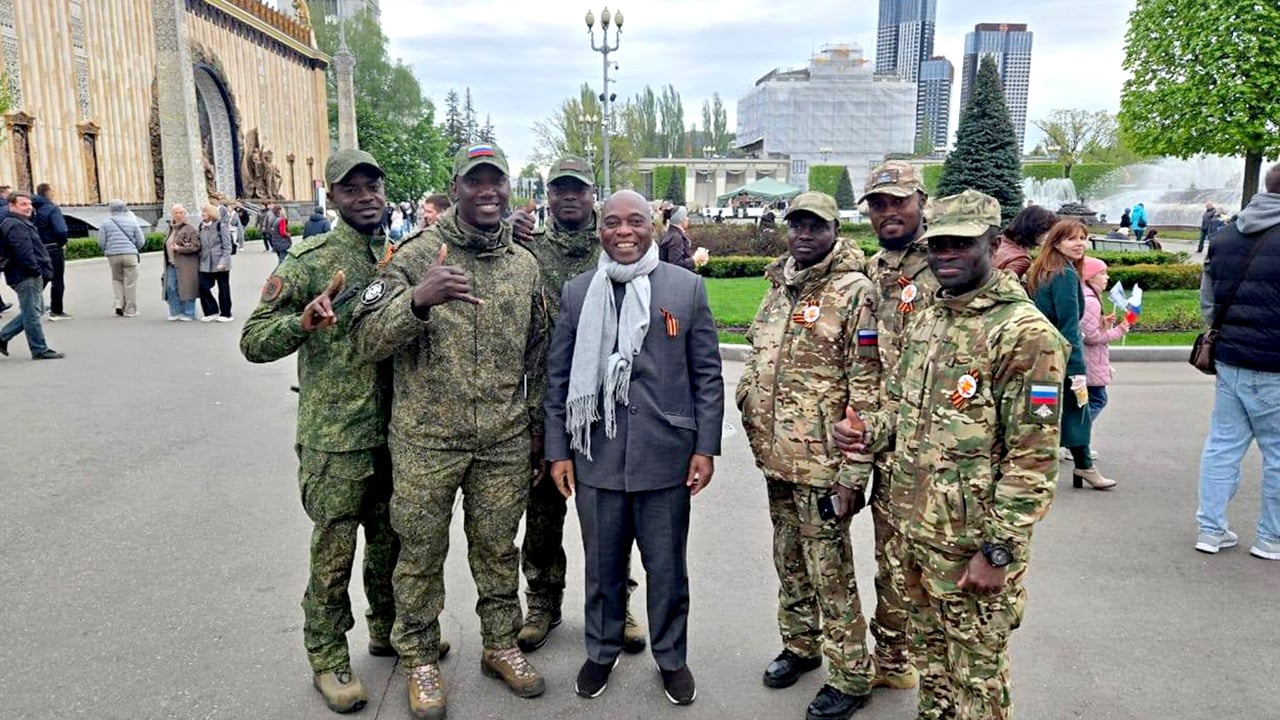
The Côte d’Ivoire government’s recent diplomatic maneuvers have sparked intense speculation across Africa. Last month, a high-profile figure in Ivorian politics embarked on a discreet yet strategically significant visit to Moscow, raising eyebrows among observers and regional analysts alike. The trip, shrouded in secrecy, took place against the backdrop of escalating political tensions involving the Patriotic Peace Front (PPA-CI) and its allies.
An unannounced mission with far-reaching implications
The journey of Ahoua Don Mello to the Russian capital was anything but ordinary. While official statements remain scarce, insiders reveal that the visit was meticulously planned to explore new alliances and economic opportunities. The timing, however, could not have been more delicate, coinciding with a period of heightened African geopolitical realignment.
Diplomatic sources indicate that discussions in Moscow centered around several key areas:
- Energy cooperation: Strengthening ties in oil, gas, and renewable energy sectors, crucial for Côte d’Ivoire‘s growing energy needs.
- Defense partnerships: Exploring new frameworks for military collaboration and security assistance.
- Trade agreements: Expanding market access for Ivorian agricultural and industrial exports in Russia and other Eurasian markets.
- Political alignment: Assessing potential support in international forums amid ongoing disputes with opposition factions.
Navigating a complex political landscape
The visit comes at a critical juncture for Côte d’Ivoire, where the government is grappling with internal challenges while seeking to diversify its international partnerships. The Patriotic Peace Front (PPA-CI), led by former President Laurent Gbagbo, has been a vocal critic of the current administration’s foreign policy, particularly its alignment with Western partners.
By venturing into Moscow, Ahoua Don Mello appears to be signaling a bold shift toward a more multipolar foreign policy approach. This move is seen by some as a strategic counterbalance to traditional alliances, while others view it as a calculated risk in an already volatile regional context.
Reactions and regional perspectives
The Moscow trip has elicited mixed reactions across the African continent. Proponents argue that Côte d’Ivoire must explore all diplomatic avenues to secure its economic and security interests. Critics, however, warn of potential pitfalls, including strained relations with Western partners and increased vulnerability to geopolitical pressures.
Regional analysts suggest that this visit could set a precedent for other African nations seeking to renegotiate their global positioning. The outcome of these discussions may well influence the trajectory of Ivorian foreign policy in the coming years.
What’s next for Côte d’Ivoire?
As Côte d’Ivoire continues to navigate its complex political and economic landscape, the fallout from Ahoua Don Mello’s Moscow visit remains a topic of intense debate. Will this diplomatic overture lead to tangible benefits for the Ivorian people, or will it further entrench divisions at home and abroad?
The coming months will be crucial in determining the true impact of this mission. One thing is certain: the Côte d’Ivoire government’s willingness to explore uncharted diplomatic waters reflects a broader trend among African nations seeking to redefine their place on the global stage.